
Monitoring the Online Presence of Competitors
Tracking competitor rankings is just the start — here are three concrete methods to monitor their online presence and gain a real strategic edge.


- Use Visualping to monitor competitors' landing pages for title tag, copy, and structural changes.
- Focus page-change alerts on high-value sections like hero copy and calls to action to reduce noise.
- Track competitors' new backlinks with Link Assistant to reverse-engineer their link-building strategy.
- Identify which content earns your competitors the most links and target those same publishers.
- Monitor competitor reviews and social complaints to spot reputation gaps you can turn into advantages.
Tracking competitor keyword rankings alone rarely leads to actionable insights. This article outlines three practical tactics for monitoring competitors' online presence: watching for on-page SEO changes, tracking newly acquired backlinks, and listening to their dissatisfied customers. Each tactic gives marketers concrete intelligence they can act on to improve their own strategy.
Monitoring your direct competitors is a key part of any marketing strategy. Most business owners assume they already do enough by tracking competitors’ key positions in Google. While monitoring competitor rankings helps you foresee traffic spikes or losses, there is rarely much practical use for that tactic alone. If you notice a competitor’s page climbing in SERPs, what action can you actually take? This article covers three actionable ways to monitor competitors’ online presence — tactics that give you something concrete to act on.
Monitor Your Competitors’ Landing Pages
You may already track SERP movements for some competitor pages. But how do you diagnose the reason for a drop or spike in rankings?
The answer is straightforward: keep an eye on their on-page SEO.
Has your competitor changed the title tag of that page? Have they edited the copy, added a video, or restructured the page? None of these changes trigger an immediate ranking shift, but they may over time. Keeping an eye on competitors’ SEO maintenance tactics is a reliable way to predict their SERP movements.
Visualping monitors any visual or text changes to any web page.
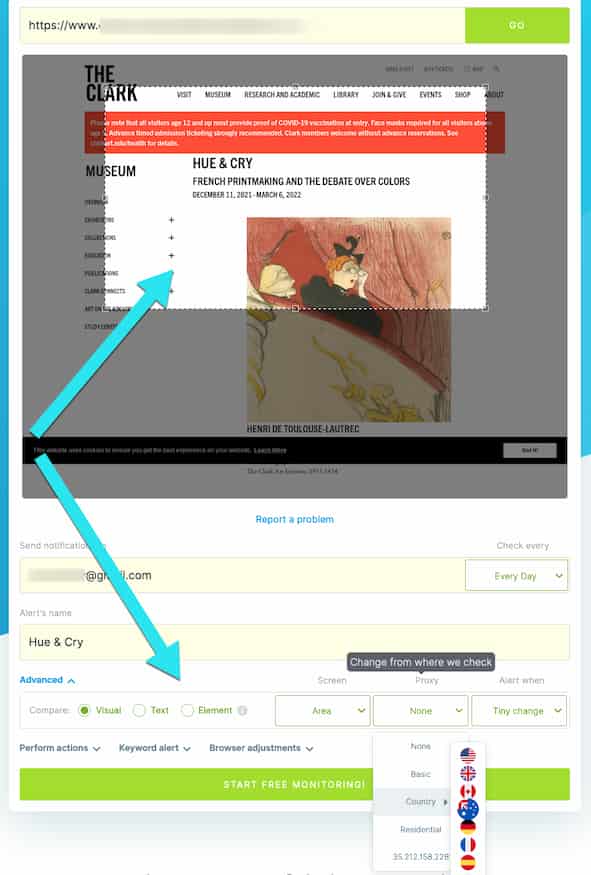
The tool offers useful settings: you can monitor a page from a mobile device or from a specific country. You can also monitor only a section of a page — helpful if part of the page is static. Over time, you can refine alerts to notify you only of specific changes, such as new keywords added to the copy.
Get a Free Reputation Analysis
Find out what people see when they search for you online.
Monitor Your Competitors’ Backlinks
Links remain one of the strongest signals determining how Google ranks web pages. A newly acquired high-quality backlink won’t boost rankings immediately, but it will likely contribute to improving positions over time. Monitoring competitor backlinks as they are acquired helps you identify which links are influencing their organic performance.
There is another important reason to track competitor backlinks: you learn exactly what they are doing to build links. Link building is challenging, and studying competitors’ approaches is a practical shortcut. Specifically, competitive backlink monitoring can help you answer:
- Which content do your competitors create to acquire links, and what works best for them?
- Who are your competitors’ promoters, and can you win those media publishers over?
- Are your competitors using lower-quality link-building tactics, and what impact do those have on their rankings?
Link Assistant includes an alerts feature that notifies you whenever a competitor acquires a new backlink.
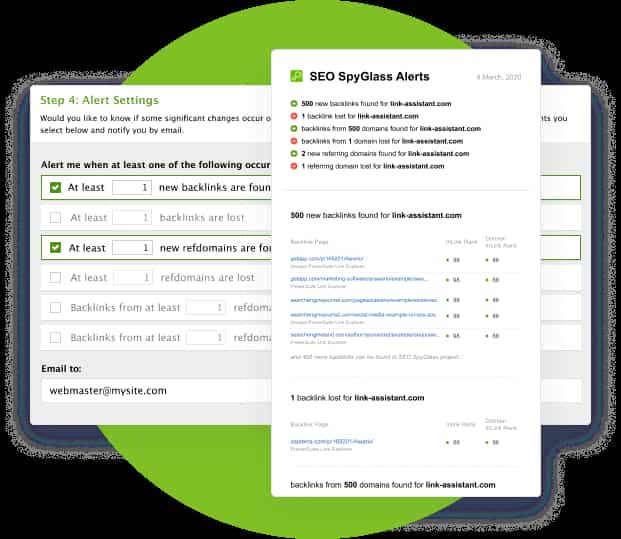
To set it up, create a new project for your most active competitor, then configure an email alert to fire whenever that competitor acquires a new backlink. Understanding how link building fits into broader SEO reputation campaigns helps you put this data to work as a roadmap for your own outreach, not just a benchmarking exercise.
Want to Know How Your Brand Stacks Up?
Our team can run a full competitive reputation audit and show you exactly where you stand — and what to do about it.
Monitor Your Competitors’ Unhappy Customers
Your competitors’ customers will tell you a great deal about what is wrong with that company. This type of monitoring helps you avoid competitors’ mistakes, anticipate a looming reputation crisis, and identify gaps in your own product or service. It also creates a meaningful connection between SEO and sales, giving both teams shared intelligence to act on.
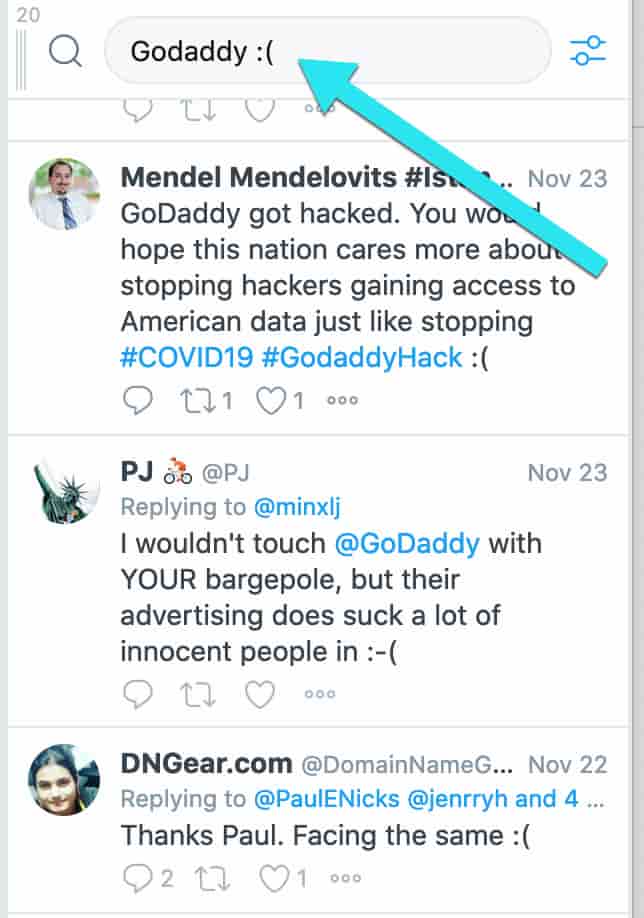
X (formerly Twitter) remains a useful platform for monitoring public brand conversations, though access to search functionality and third-party integrations has become more restricted in recent years. For basic searches, you can search X directly using:
brand name :(
This surfaces posts from users expressing unhappiness about that brand. X Pro (formerly TweetDeck) offers a column-based monitoring interface, though it is now a paid feature available only to X Premium subscribers.
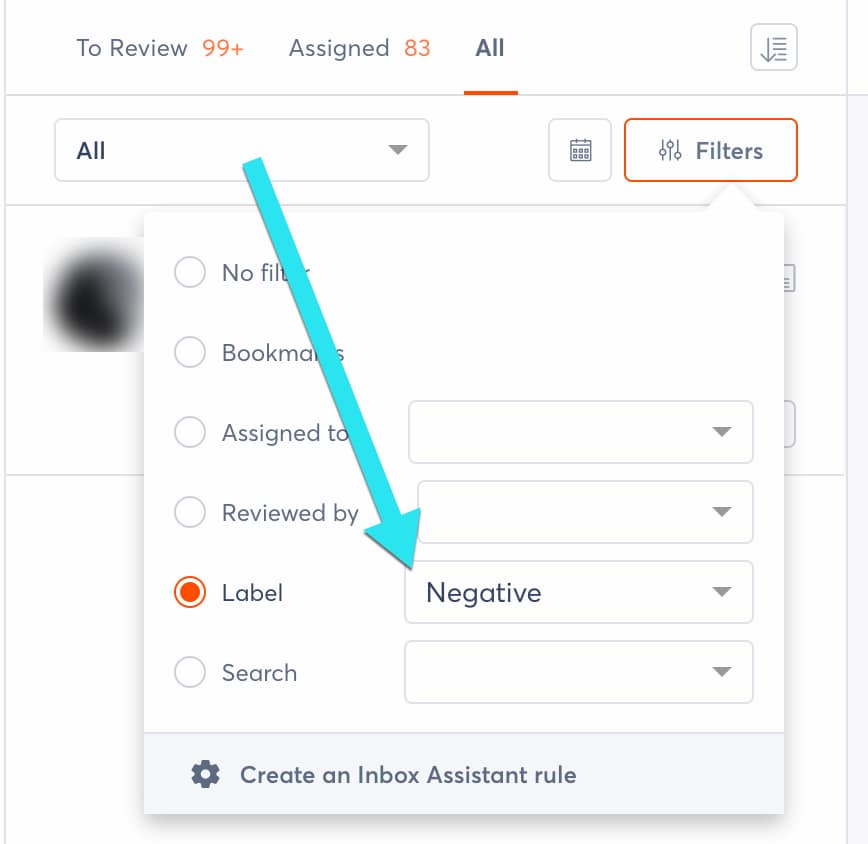
Agorapulse is another strong option. Its monitoring feature includes sentiment analysis and lets you filter results by negative sentiment, making it especially effective for competitive intelligence.
Tracking competitor sentiment also reveals your own brand’s vulnerabilities. If customers consistently complain about a feature or service gap that you share with a competitor, that is a signal worth acting on. For a deeper look at how sentiment data feeds into reputation strategy, see our guide on reputation and sentiment analysis.
Choosing the Right Competitors to Monitor
Competition monitoring is essential to any marketing strategy, but choose your targets wisely. Amazon, for example, competes with roughly half of all eCommerce businesses — yet monitoring Amazon is rarely useful. The platform generates backlinks effortlessly because of brand recognition, and it ranks because Google trusts it implicitly.
A better choice is a less established, fast-growing brand that is actively engaging in marketing. Identify a hungry niche competitor and monitor what they are doing. You will learn far more from someone creative and motivated than from a dominant platform operating on autopilot. If you want a complete picture, pairing competitive monitoring with a full online reputation audit shows you exactly where your brand stands relative to the market.
Frequently Asked Questions








Protect Your Online Reputation
Every day you wait, negative content gets stronger. Talk to our experts about a custom strategy for your situation.
Get Your Free Analysis