
How to Use Content Marketing in Your Visual Branding (+AI Tools to Help)
Discover how pairing compelling visuals with smart AI tools can transform your brand strategy and keep visitors on your site longer.


- Brand every image consistently using your established colors, fonts, and watermarks.
- Always add descriptive alt text to images for SEO and accessibility benefits.
- Use Visme to generate infographics and presentations quickly from a text prompt.
- Product photography drives social media engagement without requiring opinion-based interaction.
- Use Claid.ai to create new product image variations from existing photos using AI.
Visual content is a critical component of brand building, outperforming plain text by capturing attention faster and improving visitor retention. This article explains how to use visual content strategically across instruction materials and product photography, while maintaining consistent branding and SEO best practices. It also highlights AI tools like Visme and Claid.ai that can streamline visual content creation significantly.
How to Use Content Marketing in Your Visual Branding
-
1
Lead with attention-grabbing visuals
Replace plain text-heavy pages with visually engaging content that uses strong design, eye-catching fonts, and brand-aligned colors. Most visitors decide whether to stay or leave a page within 2–3 seconds, so visuals must make an immediate impact. Pair compelling headlines with well-designed images to hold attention and improve on-page retention.
-
2
Brand and optimize every image you publish
Add watermarks, consistent fonts, and brand colors to every visual asset so each image reinforces your identity. Compress images for faster load times and always include descriptive alt text to support both accessibility and search visibility. Consistent branding across all visuals builds recognition and trust over time.
-
3
Create visual instruction materials for your products
Replace dry, text-only product guides with illustrated instructions that use engaging visuals and clear typography. Visual formats make information easier to absorb and help establish credibility with your audience. Use a tool like Visme to generate infographic-style instructions or flowcharts quickly from a simple text prompt.
-
4
Invest in strong product photography
Treat professional product photos as core visual assets for brand storytelling, since they are more affordable than video or 3D rendering and drive strong social engagement. A single well-crafted product image can convey abstract brand ideas and create a lasting impression. Use AI tools like Claid.ai or Pixelcut to generate styled product images at scale without a full photo shoot.
-
5
Humanize customer service with visual content
Since display ad click-through rates average below 0.35%, brands need creative alternatives to connect with audiences — and visual customer service is one of the most effective. Create distinct visual avatars for customer-facing team members to make interactions feel more personal and approachable. Use tutorial videos with animated characters to turn routine support into an engaging brand experience.
-
6
Audit your visual assets for consistency
Mismatched colors, fonts, or image styles across your website, social profiles, and ads can undermine brand trust and confuse potential customers. Regularly review all visual touchpoints to ensure they align with your current brand guidelines. Consistent presentation across every channel strengthens brand equity — the perceived value customers assign to your brand over time.
Visual content marketing is essential for building a stronger brand. While text-based content is important, it becomes far more effective when paired with compelling visuals. This article covers how to use visual content in your branding strategy — and which AI tools can help you do it faster.
The biggest advantage of visual content is its ability to capture attention instantly.
Visual Content Grabs Attention
Researchers have found that color increases a person’s willingness to read an article. Mundane text copy — black text on a white or gray background — lacks that draw.
Even with informative content or a compelling headline, plain text rarely matches the appeal of well-designed visuals. Visual content can showcase eye-catching fonts and strong design, grabbing attention the moment someone lands on your page.
Human attention is a scarce resource online. Most visitors make snap judgments within seconds of landing on a page. Visual content can hold visitors on your site longer, directly improving retention.
is all it takes for most visitors to decide whether to stay or leave a web page
Industry Research
When creating and publishing visual content, make sure to:
Get a Free Reputation Assessment
Find out what people see when they search for you online. No obligation — results in 24 hours.
- Brand it consistently. Every image should reinforce your brand. Use watermarks, fonts, and colors that align with your visual identity.
- Follow SEO best practices when publishing. Compress images for faster load times — WordPress plugins can handle this automatically — and always add meaningful alt text for accessibility and search visibility.
Instruction Materials
Giving consumers clear instructions on how to use your products is a simple way to build credibility. Visual content is the best medium for delivering those instructions.
Engaging illustrations and well-chosen fonts make information easier to absorb. Plain text instructions, by contrast, can feel dry and discouraging.
AI Tool to Help
Visme offers AI integration that lets you generate infographics and presentation decks from a simple text prompt. Results may need some refinement, but the time savings are significant. Just type your prompt and select a style.
Visme is well suited for visual instructions, flowcharts, and presentations. There are also many free and freemium social media graphics tools worth testing before you commit to one.
Is Your Brand’s Visual Identity Working For You?
Your visual content shapes how the world perceives your brand. Our reputation specialists can audit your online presence and help you build a stronger, more consistent brand image.
Product Photography and Branding
Most brands consider photography essential to their marketing, and many marketing executives treat professional photographs as core visual assets for brand storytelling.
Product photography is significantly more affordable than video production or 3D rendering. A strong product photograph can create a lasting impression and convey abstract brand ideas in a single frame.
On social media, product images drive engagement without the friction of opinion-based content. Users don’t need to agree or disagree with a product photo — they simply react. You can also use remarketing on Facebook to re-engage audiences who previously interacted with your content or site, using product images as ad creatives.
When product photography meets social media, audience engagement increases and visual branding gains real momentum. A strong visual identity also contributes directly to brand equity — the perceived value customers assign to your brand over time.
AI Tools to Help
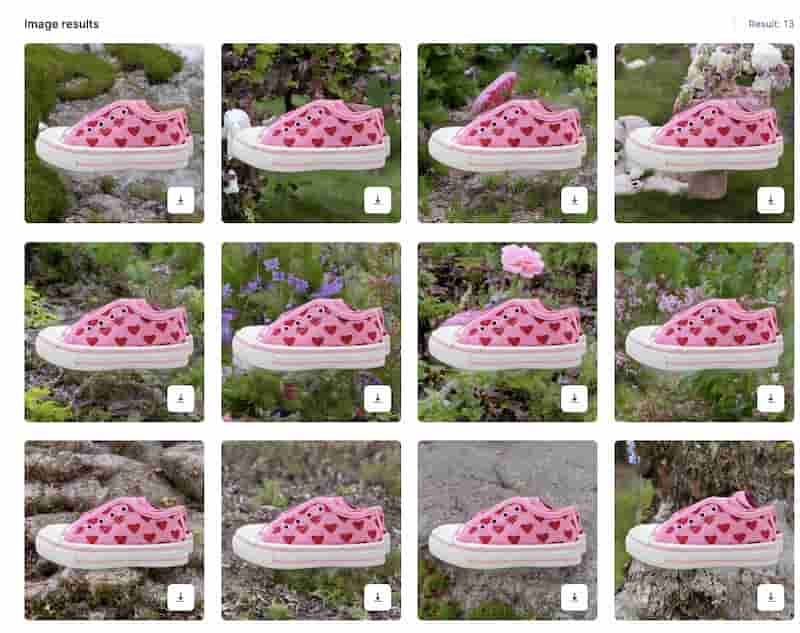
Claid.ai is an AI image generation tool that creates new product images from your existing photos. Upload your product photo, describe a theme — such as “Nature” — and the tool generates styled images based on your input.
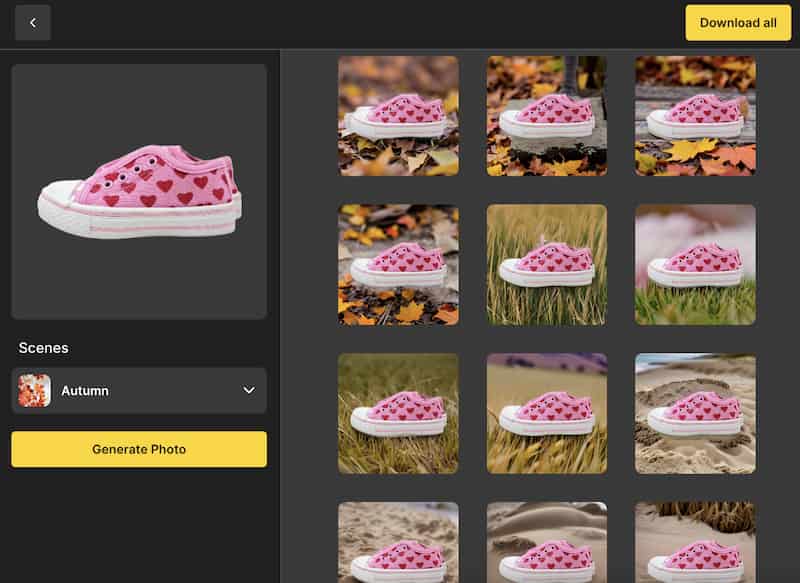
Pixelcut lets you stylize product photos across multiple preset styles — such as “Beach,” “Meadow,” “Industrial,” “Garden,” and “Autumn.” Each generation produces four images, and you can regenerate or switch styles as many times as needed. All images can be downloaded in bulk, making it efficient for producing large batches of branded visuals.
There are also many other ecommerce tools that support product photography workflows, so explore a few to find the right fit for your brand.
Visualizing Customer Service
Display and banner ad performance remains discouraging. According to Google and industry sources, the average display ad click-through rate sits between 0.1% and 0.35%. Ad blocking and banner blindness compound the problem.
Advertising humanizes a brand — but so does great customer service. The easiest way to humanize customer service is through visual content. Social platforms give brands a direct channel to interact with customers and take personalization to a granular level.
Brands can use free visual marketing tools to create distinct avatars for customer-facing team members, making interactions feel more personal. Tutorial videos with animated characters can turn routine support into an engaging experience. When competition for customer attention is fierce, creative visual approaches help brands stand out.
Final Thoughts
Visual content marketing is a double-edged sword. Done well, it drives significant search and social traffic. Done poorly, it can undermine the branding work you’ve already built.
Visual branding is also closely tied to your broader online reputation management strategy. The images, videos, and design choices your brand puts into the world shape how customers, partners, and the public perceive you over time. Getting it right from the start is far easier than repairing a damaged brand image later.
Frequently Asked Questions








Protect Your Online Reputation
Every day you wait, negative content gets stronger. Talk to our experts about a custom strategy for your situation.
Get Your Free Analysis