
Influencers and How They Affect Online Reputation
From a $21 billion industry to a core reputation tool, influencers have transformed how brands build trust and reach audiences across every major platform.

Influencer marketing has grown into a $24 billion industry, making influencers a key tool in online reputation management. This article defines what influencers are, explains the factors that make someone influential, and outlines how brand partnerships with influencers work. Understanding this landscape helps brands and marketers strategically leverage influencers to reach targeted audiences and strengthen their online reputation.
Influencer marketing has grown from a fringe tactic to a billion-dollar industry. According to Influencer Marketing Hub, the industry reached approximately $32.5+ billion in 2025, projected to exceed $40 billion in 2026. There are many types of influencers, from Instagram influencers to Amazon, YouTube, and “X” (formerly Twitter) influencers. Each has her or his own niche. This article explores what they are, factors that make an influencer, and how partnerships work.
In recent years, the word “influencer” has received a new dictionary definition, become a job title, and forced brands to reconsider their marketing strategy and budget.
Influencers are a part of the reputation management toolset because they can help to promote an entity, which can positively influence reputation.
The Origins and Rise of Influencer Culture
The concept of influence is deep-rooted in modern society. The word itself is derived from the Latin influere, meaning “an influx, flowing matter.” It was also used in astrology to mean “the flowing in of ethereal fluid (affecting human destiny).”
Horoscopes aside, our modern rendition of an influencer still serves to affect human destiny. Digital influencers show up on our social media feeds, the websites we visit, and the ads we consume in an effort to shape our opinion.
The Surge in Social Influencers
The recent surge in social media influencers is largely due to the number of people who use social media daily. According to DataReportal’s 2026 figures, approximately 5.79 billion people actively use social media, representing more than two-thirds of the world’s population.
With nearly two-thirds of the world on social media, it only makes sense that people and brands would emerge as influencers to promote various products and ideas to this enormous audience.
This article covers:
- Definition of an influencer
- What a social media influencer is, including the role that sponsored content plays in an influencer’s identity
- How brands and websites can act as influencers
- The importance of authentic brand partnerships
What Is an Influencer?
An influencer is someone or something that:
Get a Free Reputation Assessment
Find out what people see when they search for you online. No obligation — results in 24 hours.
- Has access to a niche group of people who actively engage with the person or website.
- Is trusted or held in high regard by followers or subscribers.
- Has the power to shape public opinion on things like purchasing decisions, political objectives, and trust in brands.
Developing positive relationships with influencers can lead to collaborations that help your brand reach marketing goals and improve your online reputation.
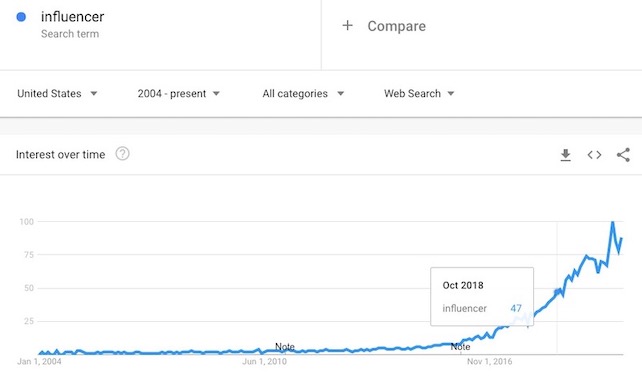
Interest in influencers has grown exponentially, starting around 2015 when influencer culture first began to surge. The industry has matured significantly since then, evolving into a sophisticated marketing channel by 2024. Google searches for the word “influencer” continue to rise.
What Is a Social Media Influencer?
A social media influencer is a person who has built a distinct following because of their knowledge and expertise within a specific niche. They post regularly and engage with their followers, creating a meaningful relationship with people they would not have otherwise reached without their social platform.
Influencers share all types of content, such as:
- Helpful tips and tricks within their niche
- Snapshots of their day-to-day life
- Sponsored content
Once an influencer posts something, their followers have a higher-than-average likelihood to follow suit — whether that’s buying a certain product or trying out a posted recipe.
The best influencers:
- Are relatable
- Share their daily experiences
- Develop a relationship with their followers over time
- Represent a strong personal brand
- Are upfront when they are promoting products or brands
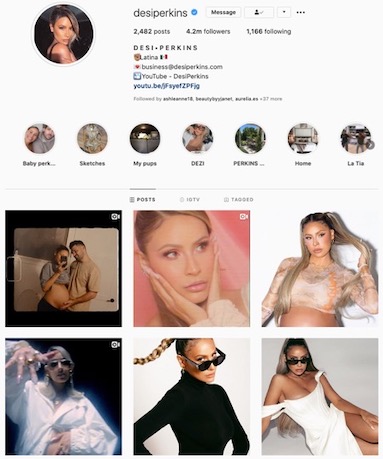
For example, YouTube star Desi Perkins rose to influencer status because of her makeup tutorials. She now shares real moments from her life on her platform, including her fertility journey, her vegetable garden, and her personal sketches.
Factors That Determine Influence
The level of influence a person has can be determined by several factors:
- Celebrity status: Celebrities were influencers before the age of social media. Although they still play a large role in influencer marketing, they are not usually the first choice for a campaign. They often lack credibility within a target niche — and they’re expensive. Brands are realizing they can get better results from an influencer with a smaller but more targeted audience.
- Engagement with followers: The relationship and interaction between an influencer and their followers is critical. The influencer-follower relationship is practically a friendship, so any ads placed on their page are held in high regard by followers.
- Number of followers: Raw follower count is secondary to engagement levels. However, it is still useful information to consider when pitching an influencer to promote your brand or product.
Influencers Are Just One Piece of the Puzzle
A strong online reputation requires a coordinated strategy. Our team can help you build one that lasts.
How Brands and Websites Act as Influencers
Just like individuals have risen to fame as influencers, so have brands — many of which have done so through partnerships with individuals. Good branding can blur the lines between a company that’s just trying to make a sale and a company that represents a way of life.
In the fitness niche, brands like Nike have been doing this for years. Newer brands like Gymshark and Alo Yoga have dominated Instagram marketing. Gymshark Women’s official Instagram page, for instance, looks more like a person’s personal grid than a brand’s.
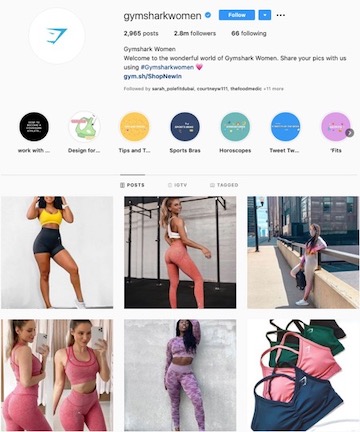
The influencers who promote Gymshark clothing reinforce the same visual identity across their own grids — a testament to the power of cohesive branding.
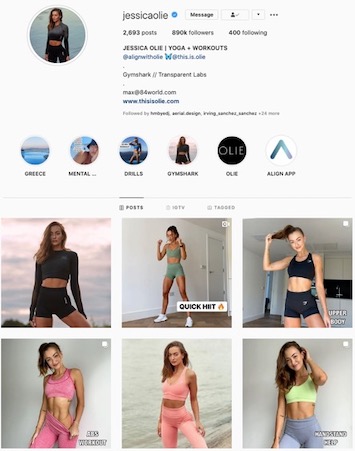
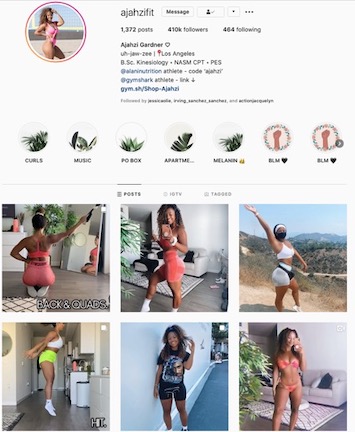
The most successful influencer marketing campaigns fit naturally into the experience that brands or people have already curated on their platform. This allows sponsored content to blend in with other content that may be more helpful to followers.
But what happens when things don’t go smoothly? The influx of influencer marketing campaigns has created opportunities for inauthentic partnerships on both sides. Whether brands take advantage of up-and-coming influencers or influencers blindly accept any deal that comes their way, not every partnership is a good match.
This can cause influencers to lose followers, consumers to lose trust in certain brands, and near-irreversible reputation damage. Understanding what constitutes reputational harm before entering a partnership can help both brands and influencers avoid costly mistakes.
The Importance of Authentic Brand Partnerships
“Brands” are neither human nor divorced from humanity.
This quote sums up the fine line that brands must walk when advertising online. They must be authentic and relatable — almost human — while clearly conveying that they are selling a product.
In influencer marketing, brands must engage with followers and influencers in an authentic way that builds lasting relationships. Without this, audiences will quickly notice which partnerships are genuine and which are thinly-veiled advertising ploys.
One way brands can avoid the latter is to define a strong brand voice aligned with their industry and target audience. A few questions to ask when developing your brand voice:
- Who would my brand be if it were a real person?
- What would it sound like?
- What causes does my brand support?
Understanding influencers and the impact they have on their followers is key to developing your brand identity and equity and online reputation. Partnerships with influencers can amplify your brand to a targeted audience more likely to act on your message than audiences reached through traditional advertising.
Contacting Influencers in Your Industry
Once you have identified potential influencers, you can contact them directly. Start by exploring the social media platforms most relevant to your industry. Instagram and TikTok remain especially strong for hashtag and content discovery, while dedicated platforms such as Modash, Upfluence, and Aspire (formerly AspireIQ) have become standard tools for finding and vetting candidates at scale.
Once you’ve identified the right fit, you still need to reach out. Sometimes cold outreach works well; other times, working with an agency that specializes in influencer management is the more efficient path.
Influencer partnerships are just one component of a broader online reputation management strategy. When combined with consistent content, review management, and proactive brand building, they can be a powerful force for shaping how your audience perceives you.
Frequently Asked Questions








Protect Your Online Reputation
Every day you wait, negative content gets stronger. Talk to our experts about a custom strategy for your situation.
Get Your Free Analysis