
Effective Reputation Management for Leaders and Founders
Your name is your most valuable asset—here's how to take control of the narrative before someone else does.


- Your personal and company reputations are linked—protect both with consistent, values-driven behavior.
- Build a polished digital footprint on LinkedIn and other platforms that reflects your expertise and personality.
- Respond to criticism with accountability and grace; how you handle it shapes your reputation more than the criticism itself.
- Take a proactive approach to digital security to guard against misinformation and data breaches.
- Reputation management is ongoing—monitor sentiment regularly and adapt your strategy as your public profile evolves.
Reputation management for leaders and founders is fundamentally different from managing a corporate brand—it involves navigating personal values, public perception, and vulnerability alongside business identity. Your personal reputation and your company's image are deeply intertwined, meaning one misstep can have broad consequences. This article outlines practical strategies for building a strong digital presence, responding to criticism effectively, and protecting your reputation over the long term.
Have you ever Googled your name just to see what shows up? According to a 2023 Pew Research study, 67% of U.S. adults have searched for information about themselves online—and most leaders and founders likely exceed that number. One unflattering headline, a bad review, or an outdated photo can feel louder than years of hard work. When your personal reputation is tied to your company’s success, the stakes couldn’t be higher.
Reputation management for leaders isn’t about micromanaging every mention of your name—it’s about shaping how you’re perceived. Managing your reputation as a person is not the same as managing a corporate brand. There’s nuance, vulnerability, and an entirely different set of expectations involved when the subject is a human being rather than an organization.

This article examines what reputation management really means when you’re the one at the helm. Whether you’re responding to criticism, building a digital presence, or balancing personal and corporate identities, understanding the strategies behind effective reputation management can mean the difference between being seen as a trusted leader or a cautionary tale. If you’ve already explored the broader connections between leadership and corporate reputation in our Ultimate Guide, this is your chance to go deeper into the specific challenges—and opportunities—that leaders and founders face every day.
Key Points of This Article
- Reputation management for leaders is personal. Unlike managing a corporate brand, controlling your own narrative involves navigating trust, vulnerability, and public perception with care. Being authentic can carry more weight than being flawless.
- Your personal reputation and your company’s image are interconnected. Your actions as a leader set the tone for how your organization is perceived. One misstep in your personal brand can ripple outward and impact your business.
- An effective online presence is your foundation. From a polished LinkedIn profile to an engaging blog, your digital footprint should reflect both your expertise and your personality. It’s about telling a story that builds trust and leaves a lasting impression.
- Criticism isn’t the end; it’s an opportunity. How you respond to a bad review or negative news story determines whether you weather the storm or get swept away. Addressing feedback with grace and accountability can enhance your reputation over time.
- Privacy and security are non-negotiable. Leaders are increasingly targeted by misinformation and data breaches. A proactive approach to digital security protects your reputation and reinforces your credibility.
- Building your reputation is an ongoing journey. Regularly monitor how you’re perceived, respond to changes in sentiment, and integrate reputation management into your broader leadership strategy for long-term success.
Differences Between Individual and Corporate Reputation Management
For leaders and founders, understanding how personal reputation differs from corporate reputation is essential to navigating public perception effectively. Individual reputation management revolves around a leader’s values, personal image, and behavior, while corporate reputation extends to an organization’s brand, operations, and stakeholder trust. Recognizing these distinctions helps leaders maintain a cohesive narrative that reflects both identities.
Unique Challenges Faced by Leaders and Founders
Leaders and founders operate under intense scrutiny, where personal decisions often carry professional consequences. Unlike organizations that can distribute accountability, a leader’s actions, words, and affiliations are directly tied to their own reputation. A founder voicing a controversial opinion on social media may unintentionally polarize their audience, creating ripple effects for their company’s brand equity. In serious cases, a Board of Directors may decide to sacrifice the leader to protect the company.
Leaders also face the challenge of blending personal values with corporate values. Patagonia’s founder, Yvon Chouinard, is a prominent example: his personal advocacy for environmental sustainability became the backbone of the brand’s identity. While this alignment boosted Patagonia’s global reputation, it also placed the company under heightened pressure to meet demanding environmental standards—illustrating the dual-edged nature of intertwining personal and corporate reputations.
Leaders must also manage the permanence of online content. A post that misfires—or an offhand comment captured on video—can dominate headlines. Guardians of the Galaxy director James Gunn was fired by Disney in 2018 over resurfaced social media posts, only to be rehired in 2019 and ultimately complete the film. The unforgiving nature of the internet magnifies the stakes for founders and underscores the importance of careful reputation management.
Interplay Between Personal and Company Reputation
The connection between a leader’s reputation and their organization’s public image is inseparable. A strong personal reputation can enhance corporate trust and draw attention to key initiatives, but missteps can just as easily damage a brand. Consider Tesla CEO Elon Musk: his polarizing persona has significantly boosted Tesla’s visibility among certain audiences, yet his controversial public statements—compounded by his high-profile role leading the Department of Government Efficiency (DOGE)—have contributed to stock volatility, regulatory challenges, and a more complex relationship between his personal brand and Tesla’s corporate image.
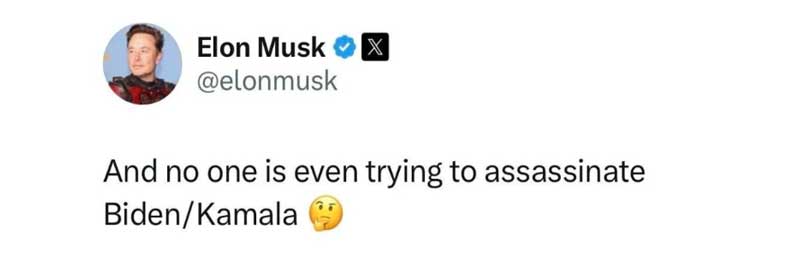
To harmonize these reputational spheres, leaders should craft a personal narrative that aligns with their company’s values. Practical steps include ensuring public remarks align with the organization’s vision and working with communications teams to refine and amplify messaging consistently across platforms—while keeping an eye on both the personal and professional dimensions of the leader’s online presence.
Real-World Examples
A health-tech startup CEO who faced allegations of workplace misconduct illustrates this dynamic well. While the company quickly released a formal statement, the leader’s personal silence prolonged the media storm and raised concerns about accountability. This shows the unique burden on leaders to manage personal reputation fallout beyond corporate damage control.
Conversely, corporate crises can also shape personal reputations positively. When Johnson & Johnson faced its infamous Tylenol crisis in 1982, then-CEO James Burke’s proactive and transparent response not only safeguarded the company’s reputation but also burnished his personal image as an ethical and decisive leader. His approach remains a blueprint for leaders seeking to align their own credibility with that of their organization.
Managing the gap between personal and corporate reputation takes a specific strategy that accounts for these interconnected dynamics. For a broader exploration of corporate brand strategies, see “The Ultimate Guide to Corporate and Executive Reputation“.
Get a Free Reputation Assessment
Find out what people see when they search for you online. No obligation — results in 24 hours.
The Reputation Funnel: How Leadership Perception Is Formed
A leader’s reputation doesn’t develop in a vacuum. It moves through stages, much like a funnel. At each level, signals are amplified, filtered, or reinterpreted before they ultimately impact the organization.
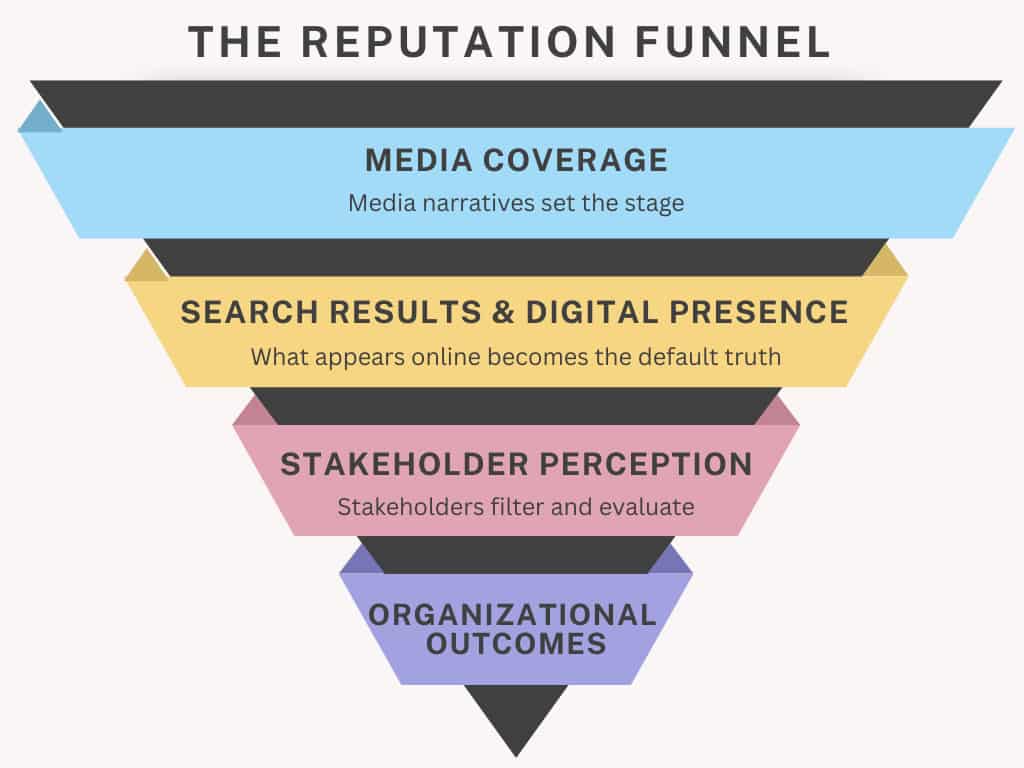
Media Coverage (Top of Funnel)
Reputation often starts with media narratives—news articles, interviews, and press coverage. Traditional outlets remain powerful agenda-setters. Studies show legacy media still outweighs social media in shaping corporate reputation, even when coverage is negative.
Search Results and Digital Presence (Middle of Funnel)
Once a story is published, it is indexed by Google, LinkedIn, Wikipedia, and review sites. Since less than 1% of users click through to page two of search results (AIOSEO, 2026), the search experience largely determines what stakeholders believe. Understanding how to run an online reputation audit can help leaders identify exactly what stakeholders are seeing.
Stakeholder Perception (Lower Funnel)
Employees, investors, regulators, and customers interpret what they see in the media and online. Research shows reputation is fundamentally an evaluator’s judgment—based not on what the leader says, but on what others conclude.
Organizational Outcomes (Bottom of Funnel)
The perception of the leader ultimately drives measurable outcomes:
- Talent: According to Glassdoor’s 2023 research, 86% of job seekers research company reviews and ratings before deciding where to apply—and a leader’s reputation is a top factor in that decision.
- Performance: A positive reputation supports higher revenue and stronger investor trust.
- Loyalty: Customers stay—or walk away—based on the trustworthiness of leadership.
Is Your Leadership Reputation Working For You?
Reputation X helps founders and executives audit, protect, and strengthen their personal and corporate reputations. Let's talk about what's possible.
Core Components of Reputation Management for Leaders
Effective reputation management for leaders rests on four interconnected pillars: a strategic online presence, proactive media engagement, constructive response to public feedback, and digital privacy and security.
Strategic Online Presence
A leader’s online presence often serves as the first impression for stakeholders—from potential investors and employees to customers and media. A strategic, well-maintained digital footprint signals professionalism and authority.
Start by prioritizing platforms that tend to rank well for executives, such as LinkedIn and personal websites. A polished LinkedIn profile that highlights accomplishments, values, and thought leadership establishes industry expertise—and it will rank on the first page of a Google search and be used by AI-based search engines as an information source. Personal blogs and op-eds are another avenue to articulate your perspectives, building your identity as an influential voice and acting as a lever to protect reputation should something go awry.
Consistency is essential. Ensure your online narrative aligns with your corporate goals and values. If sustainability is a core company priority, your posts, articles, and public communications should reinforce that message consistently. Regularly audit your online presence for outdated content, inconsistent messaging, or visuals that no longer represent your brand.
Proactive Media Engagement
Engaging proactively with the media is essential for maintaining visibility and controlling the narrative. Leaders should view interviews, press releases, and thought leadership pieces not just as opportunities to promote their company, but as a way to humanize their leadership.
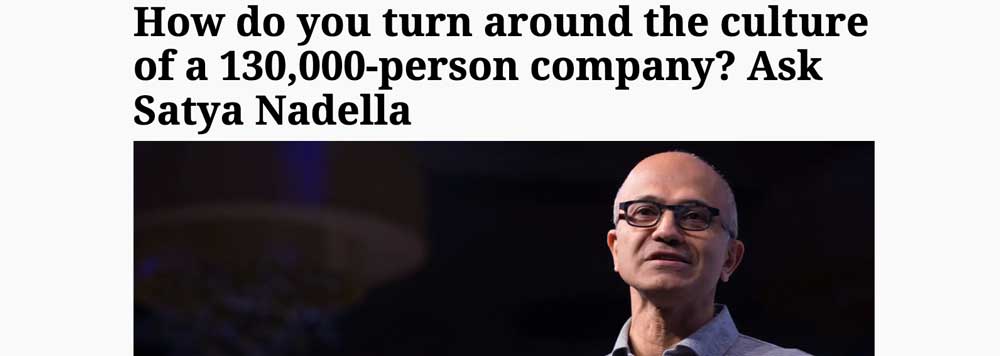
Satya Nadella, CEO of Microsoft, has successfully used media appearances to reinforce organizational changes under his tenure while showcasing his empathetic leadership style. This dual approach has strengthened his personal brand alongside Microsoft’s corporate image.
Cultivating relationships with journalists and industry influencers is equally important. By serving as a reliable source for expert commentary, you increase the likelihood of balanced and favorable coverage during both successes and crises. Public speaking events, podcasts, and webinars further amplify your voice and expand your reach.
Managing and Responding to Public Feedback
Public perception evolves based on how you handle praise and criticism alike. Engaging constructively with feedback—especially negative reviews or online criticism—demonstrates accountability and transparency.
When customers express dissatisfaction through social media, a leader who responds personally and offers a solution showcases authenticity and care. Even a brief public acknowledgment—”We hear you”—followed by actionable steps can defuse tension. Ignoring or mishandling complaints, by contrast, can cause issues to escalate rapidly online.
Leaders should also look for opportunities to turn feedback into growth. Monitor online conversations—including Reddit threads about your company—to identify emerging trends, resolve current issues, and improve products or services. Train communications teams to embody your brand’s values in every response to ensure consistency.
Digital Privacy and Security for Leaders
Leaders operate under a microscope, making digital privacy and security one of the most overlooked components of reputation management. A data breach can damage a company’s reputation quickly and severely.
Minimize vulnerabilities by protecting sensitive data with robust cybersecurity tools. Regularly update passwords, enable multi-factor authentication, and monitor accounts for unusual activity. Beyond technical safeguards, leaders must also proactively address misinformation targeting their persona—deploying authoritative rebuttals from verified official accounts can contain inaccuracies before they spread widely.
Be cautious about what personal information you share online, and be deliberate about who has access to sensitive communications. The March 2025 “Signalgate” incident—in which Trump administration officials accidentally included a journalist in a Signal group chat about military operations—is a stark reminder that even secure platforms are only as safe as the people using them. Educating yourself and your teams on privacy best practices keeps your online presence resilient against these risks.
How to Build and Maintain a Strong Leadership Reputation
A strong leadership reputation isn’t built overnight—it’s cultivated through deliberate actions and sustained effort. For founders and executives, reputation is an asset that directly influences stakeholder trust, team morale, and the broader perception of their organization. The following steps provide a practical framework for building and maintaining a positive reputation aligned with your professional goals and organizational values.
Conducting a Reputation Audit
Before making changes, leaders need to understand their current standing. A reputation audit involves evaluating how you’re perceived by stakeholders, employees, customers, and the public. Start by analyzing your digital footprint—search your name on Google, review social media mentions, check Reddit, and assess any recent news coverage.
Use tools such as Brandwatch, Brand24, or Meltwater to track mentions of your name over time. Solicit direct feedback from your team and trusted advisors to understand how your leadership style is viewed internally. Glassdoor is a useful resource for this. A clear picture of your current reputation lays the foundation for meaningful improvement.
Developing a Reputation Action Plan
Once the audit is complete, map out your action plan. Begin by defining specific goals for your personal brand—are you aiming to be known as an industry innovator, a people-first leader, or a champion of sustainability? A clear vision guides your efforts and shapes your online narrative.
Identify measurable key performance indicators (KPIs) to track progress, such as increased engagement on LinkedIn, invitations to speak at industry conferences, improved sentiment on Reddit, or better scores on Glassdoor. Start small: even dedicating one hour per week to professional development or audience engagement can begin to shift perceptions over time.
Continuous Monitoring and Improvement
Reputation management is not a one-time effort—it requires ongoing cultivation. Leaders who actively monitor how they’re perceived are better equipped to course-correct when needed. Schedule quarterly reviews of your reputation audit metrics and pay attention to trends or recurring themes in feedback.
If public sentiment shifts—due to an ill-considered post or an external challenge—address it early rather than letting issues escalate. Consider enlisting communication professionals or reputation consultants if the complexity of reputation management becomes overwhelming. Consistency over time is what makes a reputation resilient when tested by external pressures.
Integrating Reputation Management into Corporate Strategy
Leaders’ reputations are inevitably tied to the organizations they lead. Aligning personal values with corporate messaging creates authenticity—and the blowback from visible misalignment can be severe.
Collaborate with your corporate PR or branding teams to ensure a unified voice. At Reputation X, we often recommend that leaders maintain a curated public presence that is a genuine but mindful reflection of who they are—staying off social media except for content that supports the profile they want to build. When your organization announces a corporate social responsibility initiative, amplify it through your own professional channels to reinforce alignment between personal and corporate reputations. Learn more about how corporate social responsibility shapes reputation over the long term.
Challenges Leaders Face in Reputation Management
Leaders and founders often stand at the complex intersection of personal integrity and organizational stewardship. Below are the most common pitfalls and the strategies leaders can use to navigate them.
Common Pitfalls to Avoid
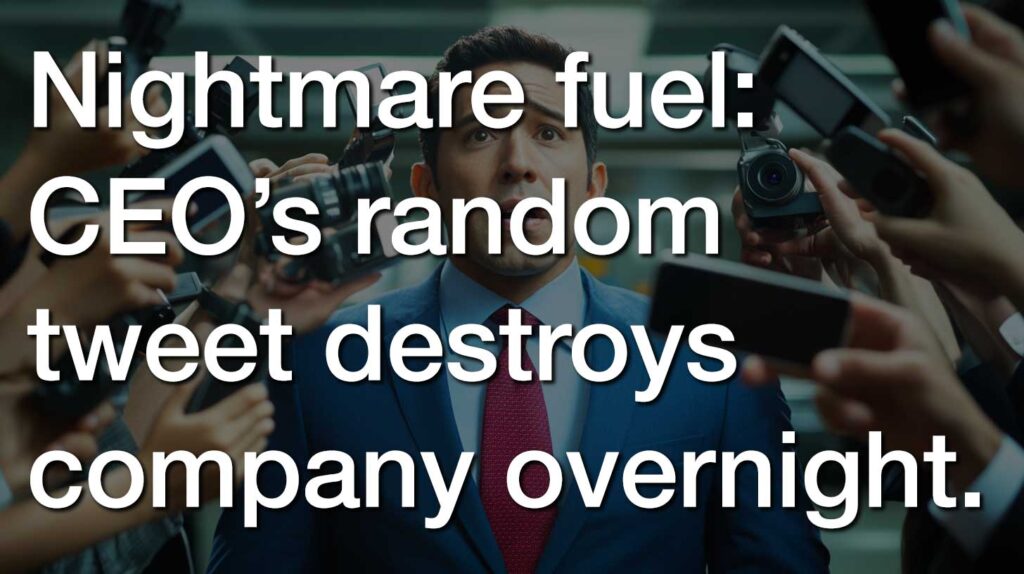
One frequent mistake is making unguarded public statements—particularly when someone nearby is recording. A single off-the-cuff remark can surface weeks or months later and dominate the news cycle.
Another pitfall is overreacting to negative press or public criticism. Leaders who publicly lash out at detractors—issuing defensive statements too soon or engaging in online arguments—risk appearing unprofessional and emotionally reactive. Elon Musk’s impulsive responses to shareholder and media criticism on X (formerly Twitter) sometimes resonated with loyal fans, but also contributed to perceptions of volatility within the company.
Lastly, failing to address controversies transparently is a widespread challenge. Some leaders attempt to downplay or obscure serious issues, only to find themselves trapped in a reputation crisis that an honest, early response could have mitigated.
Crisis Management for Founders
When crises arise—whether due to personal missteps or organizational failings—founders must act swiftly. Having a crisis management plan ready in advance accelerates the response. Journalists will call once, and if you don’t pick up, they will run the story with “The CEO was not available for comment” and proceed with whatever angle generates the most attention.
Journalists will call you once, and when you don’t pick up they will run with the story.
When Adam Neumann, former CEO of WeWork, faced scrutiny over alleged financial mismanagement and personal eccentricities, his inability to control the narrative ultimately led to his resignation. WeWork filed for bankruptcy in November 2023 and, while it emerged from bankruptcy in May 2024, the damage to both the brand and its founder’s legacy was severe.
Founders can learn from cases like this by engaging professional advisors early—public relations specialists, legal counsel, or reputation management firms—to craft a cohesive and credible strategy. Leaders should also communicate proactively with key audiences, acknowledging the issue and outlining steps to mitigate harm. Building strong search and social results in advance of any crisis means the narrative infrastructure is already in place when it’s needed most. For a deeper look at navigating these moments, see our guide to rebuilding reputation after a crisis.
How Reputation Management Drives Executive Success
Reputation management isn’t just a safeguard—it’s a lever that directly drives success in executive roles. How you are perceived, both online and offline, affects everything from your ability to rally stakeholder confidence to your capacity to attract and retain top talent.
Enhances Credibility and Leadership Effectiveness
Credibility is the cornerstone of effective leadership. A founder who transparently discusses company challenges and successes on platforms like LinkedIn builds a narrative of authenticity. Consider Morgan DeBaun, whose proactive communication not only strengthens relationships with stakeholders but also demonstrates accountability—a trait stakeholders consistently value.
Connection to Corporate Reputation
An executive’s reputation doesn’t exist in isolation—it is woven into the organization’s brand identity. Leaders act as living embodiments of their companies, and their personal choices inevitably reflect on the business. United Airlines’ former CEO Oscar Munoz, whose handling of the 2017 passenger removal crisis became a cautionary tale, and Volkswagen’s Martin Winterkorn, whose tenure ended amid the emissions scandal, both illustrate how personal reputation failures translate directly into organizational harm—including damaged customer trust and declining stock prices.
Conversely, a standout personal reputation can supercharge corporate success. Leaders who position themselves as thought leaders—through speaking engagements, authored articles, or active involvement in industry discussions—elevate the company’s profile. Sam Altman, Nasdaq’s Tal Cohen, and Walmart’s Doug McMillon are strong examples of this dynamic.
Long-Term Personal and Professional Benefits
Leaders with well-curated reputations naturally attract career-defining opportunities, such as board appointments, speaking engagements, or interest from venture capitalists eager to back a trusted name. Beyond professional gains, effective reputation management can leave a lasting legacy.
Consider Indra Nooyi, whose tenure at PepsiCo was defined not just by business results but by her values-driven approach, earning her admiration globally—a reputation that has endured well beyond her 2018 departure. Leaders who align their personal and corporate reputations with clearly communicated ethics often achieve both professional success and personal fulfillment.
The bottom line: reputation management works best when it’s proactive, not reactive. Leaders who treat it as part of their overall strategy—not an afterthought—build credibility that lasts well beyond their current role. Understanding the difference between proactive and reactive reputation management is a good place to start.
To Wrap Things Up
Reputation is the bridge between who you are and how the world perceives you. For leaders and founders, this connection is uniquely amplified—personal credibility serves as a compass for teams, stakeholders, and entire industries. Every decision, every communication, becomes part of the portrait others see.
Reputation is no longer something you adjust in response to public perception; it’s something you intentionally cultivate long before the storms hit. People don’t expect leaders to have all the answers or avoid every misstep, but they do expect honesty in how mistakes are handled and integrity in how challenges are met. Curating that narrative—consistently and proactively—is what effective reputation management is all about.
Frequently Asked Questions









Protect Your Online Reputation
Every day you wait, negative content gets stronger. Talk to our experts about a custom strategy for your situation.
Get Your Free Analysis