
Crafting a Reputation Crisis Response Plan
Learn how to prepare your organization for any reputational threat with a structured crisis response plan before problems spiral out of control.

- Assemble a cross-functional crisis team with clearly defined roles before a crisis occurs
- Conduct regular risk assessments to identify internal and external threats in advance
- Establish a chain of command so decision-making is fast and unambiguous under pressure
- Poor crisis response compounds damage — negative search results and lost trust can last years
- Target response strategies to specific crisis types rather than relying on a one-size-fits-all plan
A well-structured reputation crisis response plan is essential for protecting an organization from lasting reputational damage. This guide walks through the key components of effective crisis planning, including team roles, risk assessment, and communication protocols. Real-world examples like BP, United Airlines, and Boeing illustrate the high cost of poor crisis management.
Having a well-crafted PR crisis response plan is a basic tool for directors of marketing and communications to protect their organization’s reputation and navigate through challenging situations. This guide covers how to develop an effective reputation crisis response plan, drawing on industry best practices, expert opinions, and real-world examples. Key topics include team roles, risk assessment, plan creation, and ongoing monitoring.
Importance of Crisis Response Planning
Defining crisis response planning and its role in PR management
Crisis management response planning is the process of creating strategies and procedures to address potential threats to an organization’s reputation or operations. It’s a component of public relations management and deals with mitigating online reputational messaging.
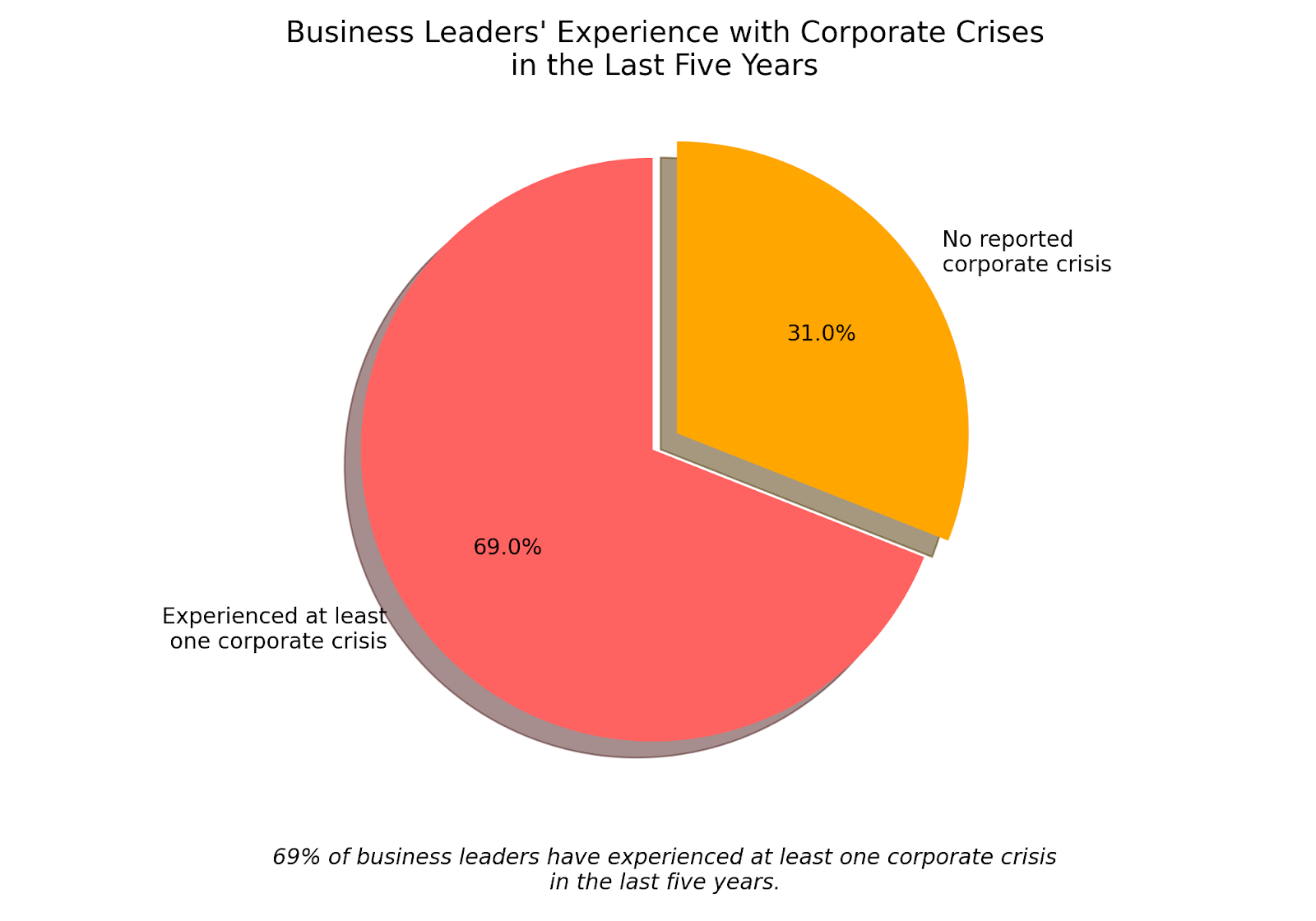
of organizations reported experiencing disruptions in the past two years
PwC Global Crisis and Resilience Survey 2023
Identifying potential risks and crises
Organizations can encounter many types of crises, including:
- Natural disasters
- Cybersecurity breaches
- Product recalls
- Financial scandals
- Negative media coverage
By identifying these potential risks, companies can develop targeted strategies to address each scenario effectively.
Consequences of poor PR crisis response planning
Inadequate crisis response planning can lead to severe consequences, such as:
- Damaging search results
- Problematic social media coverage
- Loss of customer trust
- Damage to brand reputation
- Legal repercussions
- Opportunity loss
- Financial loss
History offers no shortage of cautionary tales. The BP Deepwater Horizon oil spill (2010), the United Airlines passenger removal incident (2017), and Boeing’s 737 MAX door plug failure (2024) all demonstrate how poor crisis management can amplify negative outcomes and cause long-lasting reputational damage.
Crisis Response Roles and Responsibilities
Identifying key stakeholders and team members
A well-rounded PR crisis response team should include representatives from various departments, such as:
- Public Relations
- Legal
- Human Resources
- Operations
- Executive leadership
Each member brings unique expertise and perspective to the team, contributing to a comprehensive crisis response strategy.
Defining roles, responsibilities, and communication protocols
Everyone needs to know what to do before a problem occurs. For example:
- PR director: Handles external communications
- Legal advisor: Ensures compliance with legal standards
- HR manager: Addresses employee concerns
- Operations lead: Manages logistical aspects
Establishing communication protocols ensures smooth coordination and timely information dissemination among team members.
Establishing a clear chain of command and decision-making process
A well-defined chain of command streamlines decision-making during a crisis. This typically includes:
- Crisis response leader
- Executive team
- Department heads
- Support staff
Having a clear hierarchy ensures efficient decision-making and eliminates ambiguity in high-pressure situations.
Is Your Organization Ready for a Reputation Crisis?
Don't wait for a crisis to expose gaps in your response plan. RepX helps organizations build proactive reputation strategies that protect what matters most.
Conducting a Risk Assessment and Identifying Potential Crises
Analyzing the organization’s internal and external environment
A thorough risk assessment involves examining both internal and external factors that could pose risks to the organization. This includes:
- Internal factors: Company policies, operational vulnerabilities, employee satisfaction
- External factors: Industry trends, competitor actions, regulatory changes
A company with outdated cybersecurity measures is significantly more vulnerable to data breaches. IBM’s Cost of a Data Breach Report 2024 found that organizations with weaker security infrastructure faced average breach costs of $5.17 million, up from $4.45 million the prior year. Understanding your reputational risk exposure is a critical first step in any assessment.
Identifying potential crises and their impact on the organization
After assessing risks, list potential crises and evaluate their potential impact. Consider factors such as:
- Financial losses
- Reputational damage
- Operational disruptions
- Legal consequences
A data breach, for example, can result in significant financial penalties and a loss of customer trust, affecting both short-term operations and long-term reputation.
Developing a crisis taxonomy and prioritizing potential crises
Creating a crisis classification system helps prioritize potential crises based on their likelihood and potential impact. Techniques like SWOT analysis (Strengths, Weaknesses, Opportunities, Threats) can be useful in this process.
Prioritizing crises ensures that the organization focuses its resources on the most pressing threats first, enabling a more structured and proactive crisis management strategy.
Creating a Reputation Crisis Response Plan
Developing a PR crisis response strategy aligned with organizational values
Your PR crisis response strategy should reflect your organization’s core values and align with its broader goals. This ensures that you address immediate challenges while preserving your long-term reputation. A company committed to transparency, for example, might prioritize open communication during a crisis — even if that means acknowledging mistakes.
Here is an infographic showing what to include in your crisis management plan:

Creating a detailed crisis response plan with key messages and tactics
A comprehensive crisis response plan should include:
- Pre-drafted messages: Prepare templates for various scenarios to ensure quick and consistent communication.
- Designated spokespeople: Assign and train specific individuals to handle communications during a crisis.
- Communication channels: Identify the most effective channels for reaching different stakeholders. In 2024, this means thinking carefully about platform selection — X (formerly Twitter) remains a primary real-time crisis channel, while LinkedIn and Instagram have grown increasingly important for corporate communications. Press releases and internal memos remain essential for formal stakeholder outreach.
- Response tactics: Outline specific actions to be taken in different crisis scenarios.
Testing and refining the crisis response plan through simulations and drills
Regular testing of your crisis response plan through simulations and drills is essential for identifying gaps and refining tactics. This process keeps your team prepared and your plan current. Consider conducting annual drills to ensure readiness and continuously improve response strategies.
Implementing the Plan and Monitoring Results
Establishing a crisis response protocol and communication plan
Implementing an effective crisis response plan involves:
- Creating a clear protocol for activating the crisis team
- Establishing procedures for notifying stakeholders promptly
- Developing a system for managing the flow of communication
Maintaining transparency and consistency in all communications is key to preventing misinformation and confusion among stakeholders.
Training and preparing the crisis response team for potential crises
Ongoing training is essential to keep the crisis response team well-equipped to handle potential emergencies. This can include:
- Regular workshops on crisis management techniques
- Scenario-based training sessions
- Refresher courses on communication skills and media relations
The value of that investment is well-documented. Deloitte’s 2023 Crisis Management Survey found that organizations with mature crisis management programs — including regular training — recover from crises 2.5 times faster than those without structured preparation.
Continuously monitoring and updating the crisis response plan
A crisis response plan should be viewed as a dynamic document that evolves based on:
- Feedback from team members and stakeholders
- Lessons learned from actual incidents or simulated drills
- Changes in the organization’s structure or external environment
Regular reviews and updates ensure that the plan remains relevant and effective against emerging threats. Tools that support ongoing reputation monitoring can surface early warning signals before a situation escalates into a full crisis.
Final Thoughts on Reputation Crisis Planning
Crafting an effective crisis response plan is an ongoing process that requires dedication, foresight, and adaptability. Directors of marketing and communications who invest in this planning can develop a robust strategy to protect their organization’s reputation and navigate challenging situations with confidence.
The key to successful crisis management lies in preparation, clear communication, and the ability to learn and adapt. By investing time and resources into crisis response planning, organizations build resilience and maintain stakeholder trust — even in the face of unexpected challenges.
Stay informed about emerging trends and best practices in crisis management to keep your plan current and effective. For organizations that have already experienced a damaging event, our guide on how to rebuild reputation after a crisis offers practical next steps.
Frequently Asked Questions








Protect Your Online Reputation
Every day you wait, negative content gets stronger. Talk to our experts about a custom strategy for your situation.
Get Your Free Analysis