
How to Start a Blog to Improve Business’s Reputation and Drive Sales
Discover how a well-planned business blog can turn search traffic into loyal customers while giving you full control over your brand's reputation.

- Start your blog with at least 5 published articles and 10 more planned in an editorial calendar.
- Base early content on real customer questions, brand search queries, and product use cases.
- Develop audience personas using GA4 and social analytics before writing a single post.
- Check any new domain's history for spam or penalties before registering it.
- Keep branding simple and consistent with your existing site to build credibility.
A business blog is one of the most underutilized tools in online reputation management. By publishing content that answers customer questions, showcases products, and builds brand authority, businesses can attract new customers and turn readers into buyers. This guide walks through the key steps to launch a blog that strengthens your reputation and drives sales.
How to Start a Blog to Improve Your Business's Reputation and Drive Sales
-
1
Determine what to write about
Start by working with your customer support team to compile a list of questions customers frequently ask. Use keyword research tools to identify brand-driven search queries that lack content on your site, and reach out to customers to gather photos and videos of them using your product. Organize all content ideas into a spreadsheet and turn it into an editorial calendar, launching with at least five published articles and ten more planned.
-
2
Define your target audience
Most blogs fail because they never clearly identify who they are writing for, so develop detailed audience personas before publishing. Use Google Analytics 4 to explore demographic data, traffic sources, and user interests, and supplement this with social media analytics tools. The more precisely you understand your readers, the easier it becomes to create content that meets their needs.
-
3
Secure a domain and establish your branding
If you already have a website, host your blog in a subdirectory of your existing domain and use a matching theme and logo for consistency. If starting from scratch, use a tool like Namify to find a domain and logo that fits your niche. Always check a domain's history using the Wayback Machine before registering it, since a penalized domain can hurt your search rankings and reputation from day one.
-
4
Prepare and plan your content
Write at least five articles before launch to avoid the inconsistent "start and stop" pattern that undermines new blogs. If you plan to hire a writer, consider internal team members first since they already understand your customers and products. Define your content formats — such as long-form articles, infographics, or short-form video — and match them to the right distribution channels for your audience.
-
5
Build an email list before going live
Set up an email list before your blog launches, as email delivers far more reliable reach than social networks and drives consistent returning traffic. Platforms like Beehiiv, Substack, Kit, and Mailchimp all provide solid starting points for managing subscribers. A growing email list turns one-time readers into repeat visitors and buyers, compounding your reputation-building efforts over time.
-
6
Start networking with other bloggers and brands
Networking expands your blog's reach by connecting you with audiences that already trust other voices in your niche. Reach out to complementary businesses, guest post on relevant sites, and engage with influencers who speak to your target audience. These relationships create referral traffic, backlinks, and social proof that strengthen both your search visibility and your brand reputation.
There are many benefits to starting a blog. Blogs attract new customers through informational search queries and open up relevant marketing opportunities — social, viral, and education-driven.
But there’s another reason for starting a business blog that is often neglected: Blogs make reputation management more effective.
Through blogging, you can explain your value proposition more clearly. You can put your products into context, answer your customers’ questions, and feature their reviews and positive experiences with your brand.
Blogging makes connecting to your target audience easier, turning them into regular visitors and buyers. This guide covers how to start a blog that improves your business’s reputation and drives sales.
Determine What to Write About
When starting a blog, this is always one of the toughest questions: What am I going to write about?
For a reputation-driven business blog, the answer is easier. Start with your brand, your products, and your current customers:
- Work with your customer support team to create a list of questions your customers are asking.
- Search for your brand name and identify brand-driven search queries that lack content on your site. WebCEO’s organic keyword research tool is a great way to discover search queries that include your brand name or a competitor’s.
- Reach out to customers and invite them to submit videos and photos of them unpacking or using your product. Offer freebies or coupons as an incentive.
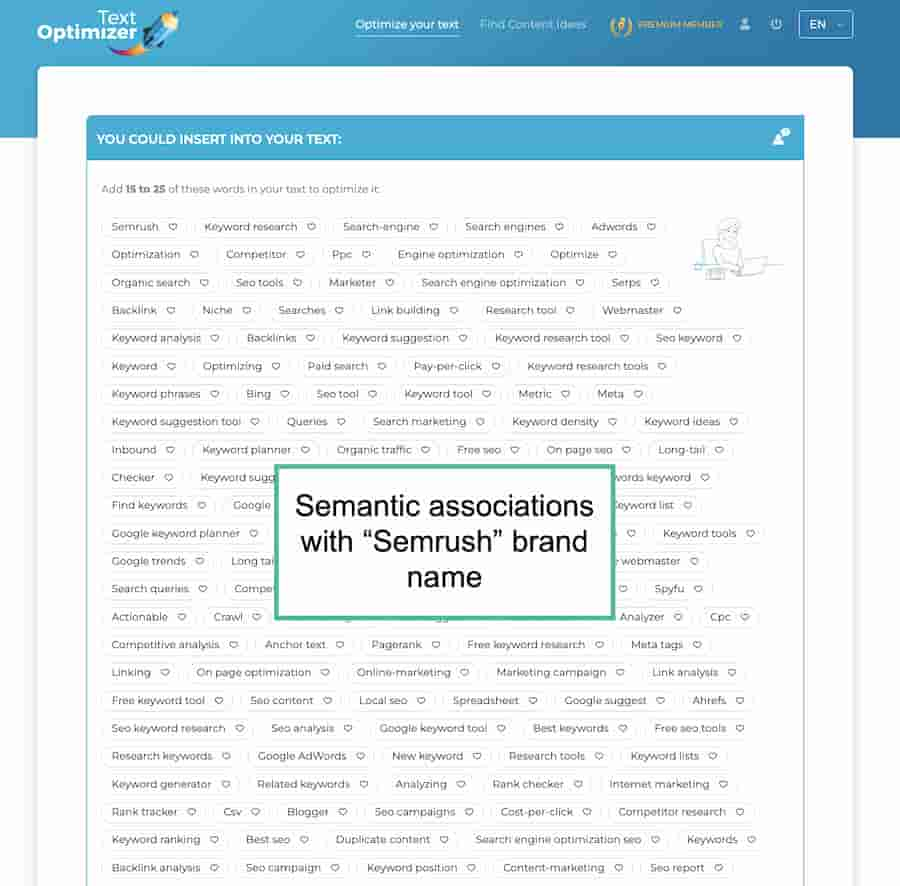
- Search Text Optimizer for your brand name or a competitor’s to discover related concepts that may serve as content ideas:
Compile all of the above into a spreadsheet and turn it into an editorial schedule for your blog.
As your blog grows, you will discover more brand- and product-driven editorial ideas. Launch with at least five published articles and at least ten more in the calendar.
Get a Free Reputation Assessment
Find out what people see when they search for you online. No obligation — results in 24 hours.
Understand Your Audience
The more focused you are, the easier it becomes to identify and speak to your audience’s needs. Most blogs fail because they never clearly define who they are writing for.
Develop audience personas to understand what your readers want, then create content tailored to those needs. If you have an existing site, check your analytics for demographic and behavioral data.
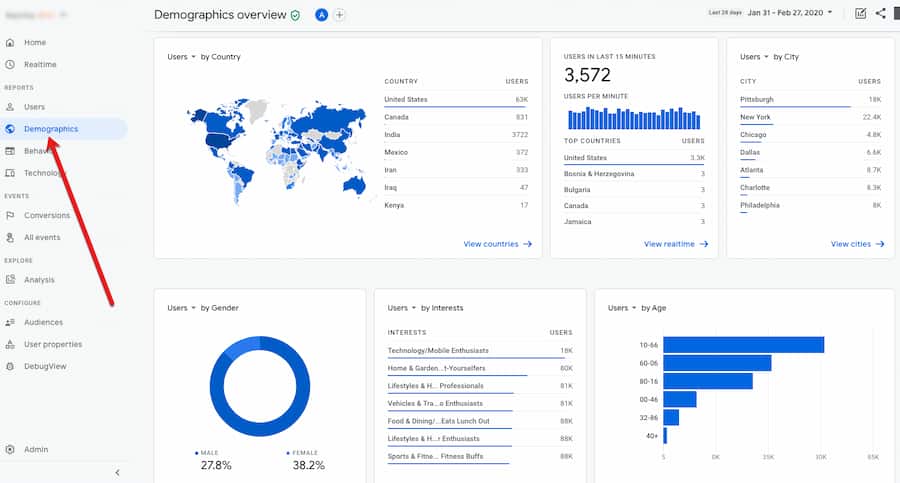
In Google Analytics 4 (GA4), you can explore audience demographics, traffic sources, and user interests through the Reports and Explore sections:
Social media analytics tools also provide useful insights into your target audience’s demographics and interests.
Find a Domain and Define Your Branding
If you already have a website, this step is straightforward. Pick a matching theme, use the same logo or a variation, and host your blog in a subdirectory of your existing domain.
Colorlib offers free, highly customizable themes that you can set up without a developer or graphic designer. If you are starting from scratch, Namify can help you choose a domain and logo that fits your niche.
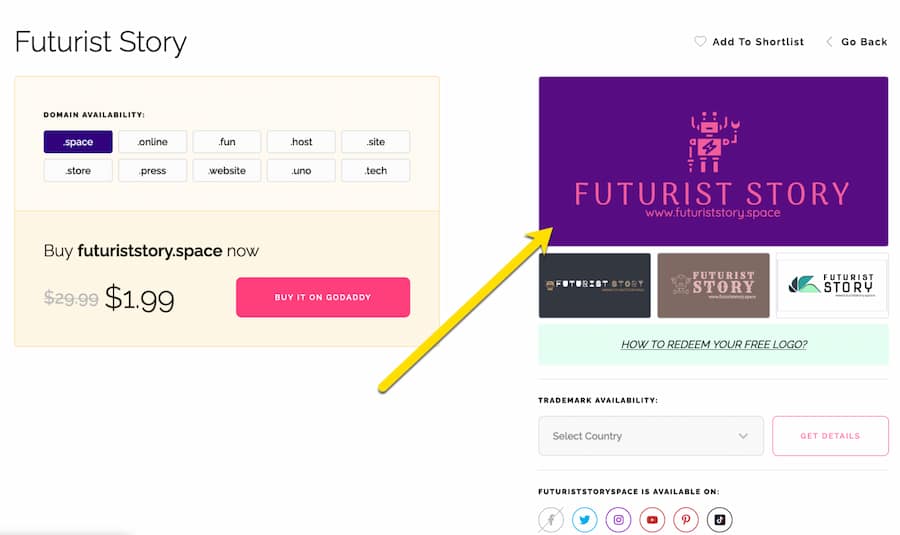
Keep your branding simple and readable. Use graphics to support the text, not obscure it. A free stock image used as a logo will not build the credibility your brand needs.
Prepare Your Content
Prepare at least five articles before launch to avoid the “start and stop” pattern that undermines new blogs. There is no ideal publication frequency, but updating your blog regularly encourages both Google and readers to return.
Once you create your first post, continued blogging becomes much easier. Do not worry if early posts are imperfect — blogging is a learning process and quality improves with time.
Finding and Training Writers
If you plan to hire a writer, look within your company first. Internal team members already understand your customers and products. They may need some training on formatting and optimization, but they can get up to speed quickly.
Here are a few resources to get a new writer started:
- HubSpot’s guide on how to write content that ranks well in Google
- A detailed guide on HTML heading tags for readability and SEO
- How to optimize brand-driven content
- Additional resources to learn SEO reputation management
Choosing Content Formats and Distribution Channels
Creating content without a clear strategy rarely works. Define what you will create, for whom, why, and how you will distribute it.
A long-form article with strong visuals may perform well on Facebook or LinkedIn. An infographic can work in design- or lifestyle-focused niches. For B2B audiences, LinkedIn is especially valuable. Short-form video through Reels, YouTube Shorts, or TikTok has become one of the most effective formats for reaching new audiences quickly.
Tools like Quuu Promote or Buffer can help amplify your content and get it in front of the right audiences. Whatever format you choose, it requires deliberate planning.
Want to Build a Blog That Protects and Grows Your Reputation?
Our team helps businesses create content strategies that improve search visibility, build trust, and push down negative results.
Convert Readers Into Subscribers
Set up an email list before your blog goes live. Email delivers far more reliable reach than any social network, and it drives consistent returning traffic and repeat customers.
Platforms like Beehiiv, Substack, Kit (formerly ConvertKit), and Mailchimp all offer solid starting points. Here is a thorough guide on starting an email newsletter.
A content upgrade — such as a downloadable PDF that solves a specific problem — is an effective way to encourage signups from readers who are already engaged.
Build Relationships in Your Niche
Rankings and a loyal following come from active participation in your niche — not from publishing in isolation. Engage in blogs, forums, communities, and social channels where your audience spends time.
Build relationships with other bloggers, especially influential ones. Creating roundup posts or resource lists that feature other top voices in your industry encourages reciprocity. When you help others gain visibility, they are more likely to return the favor.
Conclusion
Once your blog is live, measure the results. Google Search Console is a free service that shows how often your site appears in Google Search, which queries surface your posts, and how often searchers click through — data you can use to refine your editorial calendar and double down on the topics that build your reputation.
The best blogs push boundaries, offer original case studies, and test new strategies. With AI-generated content flooding search results, standing out requires more than volume.
Google’s Helpful Content updates have made clear that demonstrating real first-hand experience, expertise, authoritativeness, and trustworthiness (E-E-A-T) separates content that ranks from content that disappears. Genuine insights and original perspectives — ones only your team can provide — are what build lasting authority. Use your blog to solidify your business’s corporate reputation strategy.
A well-maintained blog also supports broader online reputation management strategies by generating a steady stream of positive, brand-controlled content that can outrank negative results over time.
Focus on delivering real value to your audience. The blogs that succeed long-term are built on genuine expertise and a commitment to helping readers — not just on ranking or selling.
Frequently Asked Questions








Protect Your Online Reputation
Every day you wait, negative content gets stronger. Talk to our experts about a custom strategy for your situation.
Get Your Free Analysis