
Corporate Reputation Management Strategy
Discover how leading organizations measure, protect, and grow their corporate reputation before a crisis forces their hand.

Corporate reputation encompasses every aspect of a business — from leadership and culture to products and financial performance — and directly affects revenue, talent acquisition, and company value. This guide explains how to measure reputation using Google search and social listening tools, identifies key factors that shape public perception, and provides a framework for proactive reputation management. Building a strategy before problems arise is essential to long-term business health.
Corporate Reputation Strategy: Overview and Checklist
Corporate reputation is an asset that requires careful attention and dedicated efforts. Developing a robust reputation strategy should involve the leadership team of your organization. In this comprehensive guide, we will explore what corporate reputation entails, how it is measured, why it is important, and the factors that influence it, and provide a detailed checklist for effective corporate reputation management.
What is Corporate Reputation?
Corporate reputation refers to the overall estimation of opinions held about your company. It encompasses every aspect of your business operations, culture, environment, products/services, leadership, and performance. Today, with the prevalence of instant online news and information, every decision and action made by stakeholders, such as employees, leadership, and affiliates, can impact your reputation. Search engines and social media platforms play a significant role in shaping public perception.
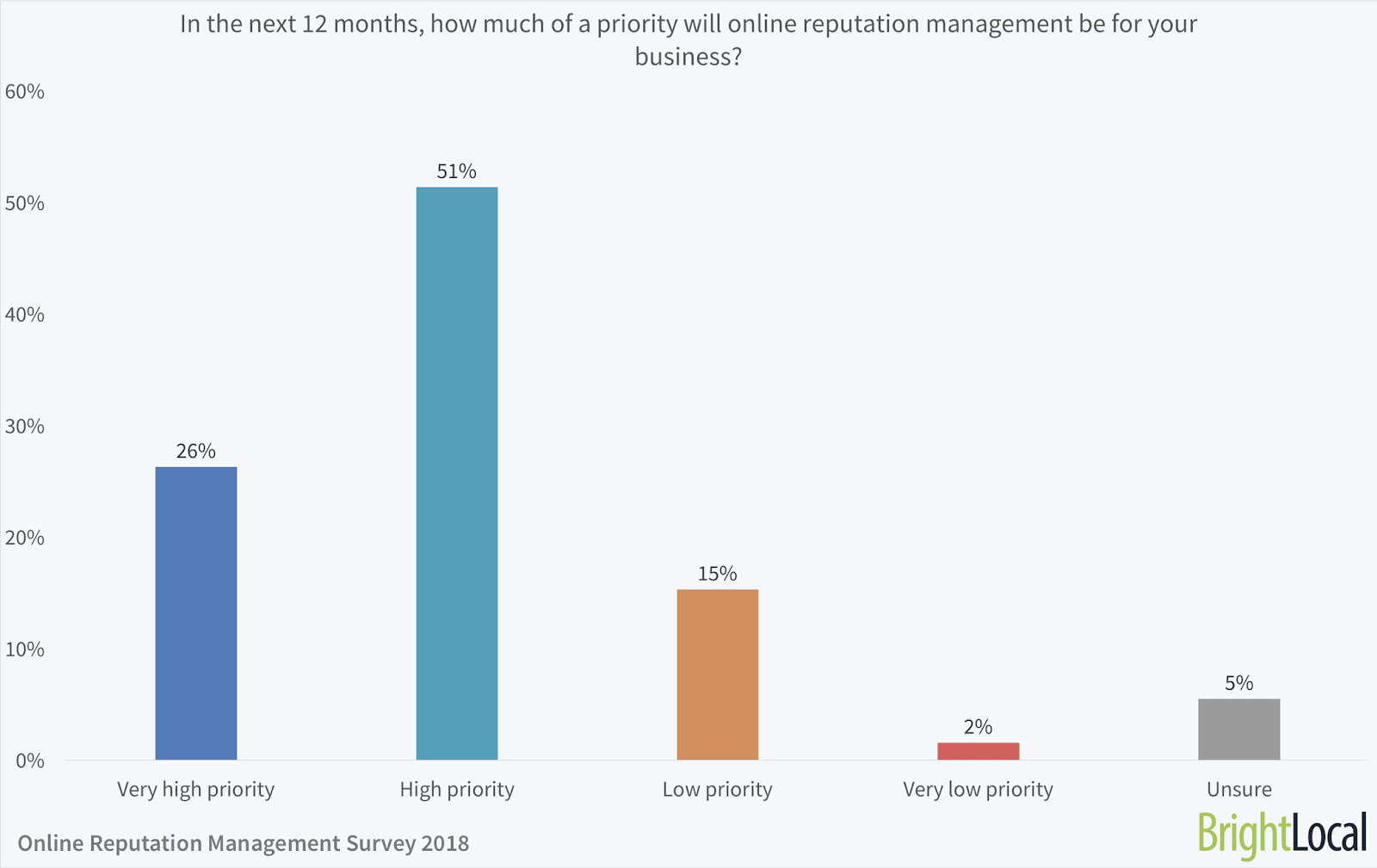
Statistics on corporate reputation
- 51% of business leaders believe reputation management will be a high priority over the next year
- Almost 70% of job seekers reported they would reject a job offered by a company with a bad reputation, even when unemployed
- 60% of consumers say negative reviews made them not want to use a business
- 95% of users don’t look past the first page of Google search results
- The average consumer mentions brands 90 times per week
- 54% of consumers use social media to research products
- 70% to 80% of a company’s market value comes from intangible assets such as brand equity and goodwill (Harvard Business Review)
- A one-star increase in a Yelp rating brought independent restaurants a 5% to 9% rise in revenue (Harvard Business School)
- A company with a bad reputation pays at least 10% more per hire (Harvard Business Review)
A negative corporate reputation can drop your company share prices, slash your revenue, ruin your company value, and destroy any chance you had of attracting partners, buyers, or top talent. The best way to prevent a negative reputation is to start managing your reputation before it turns south.
Measuring Corporate Reputation
Measuring corporate reputation can be done in various ways. Conducting a Google search for your company is a good starting point. Google dominates the search engine market with roughly 90%+ global market share, so it’s generally the best place to start (this figure moves — re-verify periodically). Google your brand, and variations of the most used branded search phrases, to examine different types of search results, including news, images, videos, and more, to gauge the online sentiment towards your brand.
Next, search social media platforms to uncover mentions of your company and engage in conversations to understand what people are saying at the ground level. Employing reputation monitoring tools like Talkwalker (now part of Hootsuite) and Social Mention can further enhance your ability to track online mentions.
Get a Free Reputation Assessment
Find out what people see when they search for you online. No obligation — results in 24 hours.
Learn more about measuring corporate reputation value here.
Importance of Corporate Reputation
Corporate reputation holds great, albeit intangible, value for your company. A positive reputation can increase the lifetime value of customers, attract top talent, enhance partnership opportunities, and improve the overall value of your organization.
Conversely, a negative reputation can have detrimental effects on share prices, revenue, company value, and the ability to attract partners, buyers, or talented individuals. Managing your reputation proactively is vital to prevent reputation damage and maintain a positive standing among stakeholders.
Factors Affecting Corporate Reputation
Several factors influence corporate reputation, including:
-
Social Responsibility: As society wrestles to become more progressive, corporate social responsibility (CSR) plays a significant role in reputation management. This encompasses volunteerism, philanthropy, environmental responsibility, community engagement, and providing a positive work environment for employees.
-
Product and Service Quality: The quality of your offerings is a critical factor in reputation management. Regardless of other strengths, if your products or services are perceived as inferior, your reputation will suffer.
-
Financial Performance: Your financial performance impacts your reputation. Ensuring profitability, competitive advantage, risk reduction, and scalability are important elements to consider.
-
Brand Story: Connecting with your audience through a compelling brand story can generate a positive emotional appeal. Transparent leadership and strong corporate values enforced from the top down further reinforce your brand story.
-
Workplace Environment: Creating a positive workplace culture, supporting employee well-being, fostering diversity and inclusion, and providing adequate compensation and benefits contribute to a positive reputation. Think “Best Places to Work” lists.
Corporate Reputation Management Checklist
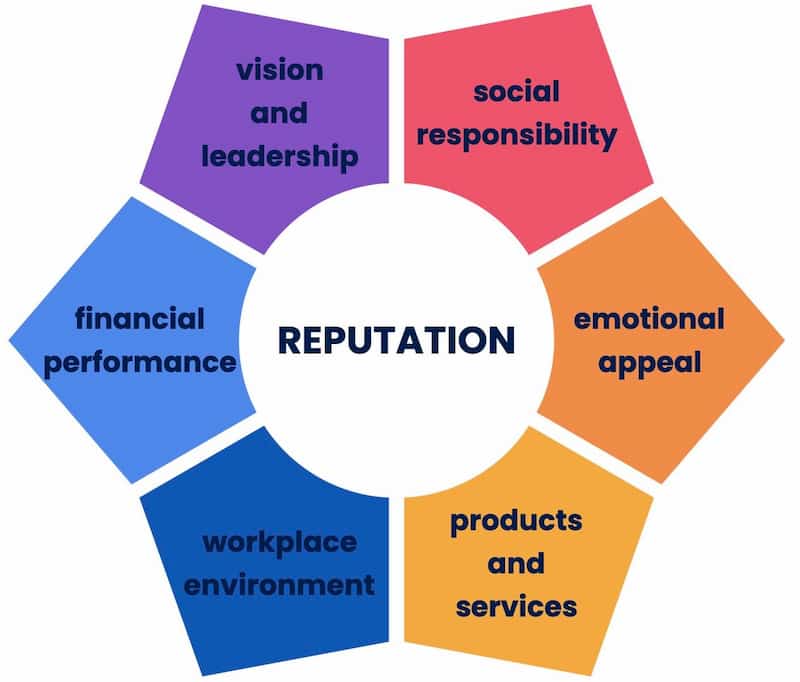
Developing a robust reputation management strategy requires a comprehensive approach. Here is a checklist to guide you:
-
Listening and Monitoring:
- Before you can improve corporate reputation, you must first measure it.
- Monitor online conversations and mentions of your brand, including hashtags, search engine results, and sentiment analysis.
- Identify strengths and weaknesses to address within your strategy.
-
Corporate Social Responsibility:
- Support causes aligned with your corporate values. Or, as one cynical brand manager told me: “Appear to.”
- Assess and reduce your environmental impact through innovation, and make sure the world knows about it.
- Participate in community responsibility and volunteerism.
- Not only respect customer and employee privacy but defend it.
-
Leadership:
- Examine and craft the reputations of executives because the way they are seen affects the company as well.
- Establish strong corporate values and ensure adherence from top to bottom.
-
Financial Performance:
- Strong financials affect reputation. Enhance profitability and competitive advantage.
- Reduce risk and improve returns for investors and for the company.
-
Products and Services:
- Ensure appropriate quality, innovation, and value.
- Demonstrate confidence in your offerings.
-
Workplace Environment:
- Improve employee comfort and provide adequate compensation and benefits. This can lead to better employees and a better reputation.
- Foster a positive culture and eliminate sources of hostility within ranks.
- Increase diversity and promote compliance throughout the organization.
- Provide comprehensive employee training and support.
-
Emotional Appeal:
- Develop a strong brand story. A good story is one that is positive and invites retelling.
- Nurture a positive corporate culture with transparent values.
- Communicate with authenticity and honesty.
- Engage directly with your audience and stakeholders.
-
Online Reputation Management (ORM):
- Promote all of the above with ORM.
- Establish a strong online presence.
- Optimize and claim social media accounts.
- Publish positive content and build brand authority.
- Monitor and respond to online mentions.
- Encourage positive reviews and address negative feedback.
- Correct false negative content
- Utilize SEO strategies for improved search results.
What Not to Do
-
Don’t greenwash
GreenwashingYou can bend reality a bit but don’t lie. Don’t create a marketing campaign that exaggerates your reputation. This is known as greenwashing and often backfires – often after a former employee launches an exposé. -
Don’t shoot yourself in the foot
Bud Light sent influencer Dylan Mulvaney some beer with her face on the label. The influencer posted a video about it. Budweiser lost a billion dollars in value. Budweiser was being edgy but got too close to the edge by failing to understand its audience. There are other reputation self-harm stories out there as well. -
Don’t not have a crisis management plan
Building a positive reputation for your company is half the battle, but having a plan for when things inevitably go awry is the other half. This article about developing a crisis management plan to protect your corporate image may be helpful.
Frequently Asked Questions








Protect Your Online Reputation
Every day you wait, negative content gets stronger. Talk to our experts about a custom strategy for your situation.
Get Your Free Analysis