
How to Leverage User-Generated Content to Improve Brand Image Online
Learn how real customer voices — through reviews, videos, and social posts — can become your most powerful brand reputation tool.


- Always obtain permission and credit creators before repurposing UGC in marketing materials.
- Define clear campaign goals so your UGC strategy aligns with broader marketing objectives.
- Incentivize customers to share content through rewards, recognition, or exclusive opportunities.
- Seek diverse UGC to reflect varied user experiences and broaden your content's appeal.
- Document your permission and attribution process in writing to protect your brand legally.
User-generated content (UGC) — including reviews, social posts, and videos — is a powerful tool for building brand trust and managing online reputation. Brands that actively encourage and ethically leverage UGC benefit from authentic social proof that influences purchasing decisions. This article outlines practical strategies for incorporating UGC into your reputation management and marketing efforts.
How to Leverage User-Generated Content to Improve Brand Image
-
1
Identify types of UGC relevant to your brand
User-generated content includes social media posts, blogs, videos, customer reviews, testimonials, and visual content shared on platforms like Instagram or Pinterest. Each format offers a different way for real customers to share their experiences with your brand. Prioritize the formats your audience already uses most when engaging with products or services like yours.
-
2
Establish permission and attribution practices
Always obtain consent from creators before repurposing their content in your marketing materials. Acknowledge the original creator whenever you share UGC to build a respectful, mutually beneficial relationship. Document your permission and attribution process in writing before launching any UGC campaign to protect your brand legally and build community goodwill.
-
3
Set clear goals for your UGC campaign
Define specific objectives for what you want your UGC efforts to achieve, such as building trust, increasing social proof, or improving brand loyalty. Ensure these goals align with your broader marketing and reputation management strategy. Clear goals help you measure success and keep your UGC efforts focused and effective.
-
4
Encourage diverse and authentic content from customers
Aim to collect a wide range of UGC that reflects different user experiences, demographics, and use cases. Diverse content is more relatable to a broader audience and enhances the overall credibility of your brand. Authenticity is the cornerstone of effective UGC, so avoid over-curating submissions in ways that strip out genuine consumer voices.
-
5
Incentivize customers to share their experiences
Motivate customers to create and share UGC by offering rewards, recognition, or exclusive opportunities tied to participation. Active promotion of UGC opportunities across all stages of the customer journey increases the volume and quality of content generated. When customers feel valued for their contributions, they are more likely to become repeat advocates for your brand.
-
6
Monitor UGC to track brand perception
Regularly review online reviews, social posts, and other UGC to understand how your brand is being perceived by real consumers. Pay close attention to volume and quality of reviews, since research shows that 75% of consumers regularly read online reviews when evaluating local businesses. Tracking this content gives you early visibility into reputation issues and opportunities to respond proactively.
-
7
Respond to and engage with user-generated content
Actively respond to reviews and social mentions to show customers that their feedback is valued and heard. Engagement with UGC drives word-of-mouth marketing and reinforces consumer confidence through visible social proof. Consistent, thoughtful responses also signal to potential customers that your brand is trustworthy and attentive.
-
8
Integrate UGC into your broader reputation management strategy
Incorporate high-quality UGC into your marketing channels, website, and social media to amplify its reach and impact. Since consumers find UGC 9.8 times more impactful than influencer content, strategically placing it at key touchpoints can meaningfully influence purchasing decisions. By weaving UGC into your reputation management efforts, you build a more authentic and credible brand presence online.
One of the most effective ways to cultivate trust in your brand is to leverage the power of user-generated content (UGC).
User-generated content (also known as UGC) is the secret weapon brands are wielding to amplify their reach, build unshakable trust, and safeguard their online reputation.
UGC puts the storytelling prowess back into the hands of those who matter most – your clients. Videos, blogs, social posts, and online reviews are all examples of UGC that can be leveraged to enhance your existing reputation management strategy.
According to the Edelman Trust Barometer, nearly 6 in 10 U.S. consumers admit they would shy away from brands perceived as untrustworthy.
Untrustworthy brands simply don’t have a lot of positive user-generated content. Trustworthy brands do. Since people like and trust the brand, they will be more likely to share it with others.
This article will cover strategies for managing this narrative. Learn how to harness the power of UGC to foster authenticity, build social proof, and improve brand loyalty.
Understanding User-Generated Content
User-generated content is any type of media created by individuals rather than corporate entities. This includes text, images, videos, and reviews.
Get a Free Reputation Assessment
Find out what people see when they search for you online. No obligation — results in 24 hours.
User-generated content can include:
- Social Media Posts: People share their experiences, opinions, or creative content related to brands or products.
- Blogs and Videos: Offering detailed insights, tutorials, or reviews from a personal perspective.
- Customer Reviews and Testimonials: Providing firsthand accounts of product performance or service quality.
- Photos and Visual Content: Showcasing products in real-life settings or use cases, often shared on platforms like Instagram or Pinterest.
The authenticity inherent in UGC fosters a deeper level of trust among consumers, distinguishing it from brand-generated content.
The reasons behind this impact include:
- Authenticity and Relatability: UGC reflects genuine experiences, making it more relatable to potential customers.
- Diversity of Perspectives: Offers varied insights into how products or services perform in different contexts.
- Engagement and Interaction: Encourages active participation and dialogue among consumers and between consumers and brands.
User-Generated Content Best Practices
To effectively leverage UGC, brands must adopt strategic practices that respect creators and align with broader marketing objectives. Brands should always:
- Seek Permission: Always obtain consent before repurposing user content in marketing materials.
- Credit Creators: Acknowledge the original creator when sharing UGC, fostering a respectful and mutually beneficial relationship.
- Set Clear Goals: Define what you aim to achieve with your UGC campaign, ensuring it supports your overall marketing strategy.
- Encourage Diversity: Aim for a wide range of UGC to showcase different user experiences and perspectives, enhancing the content’s relatability and appeal.
- Promote and Incentivize: Motivate customers to share their content by offering rewards, recognition, or exclusive opportunities.
Understanding and harnessing the power of UGC requires a thoughtful approach that values authenticity, respects user contributions, and integrates seamlessly into broader marketing strategies. By doing so, brands can enhance their online presence, build stronger relationships with their audience, and drive meaningful engagement.
The Power of User-Generated Content in Shaping Online Reputation
The transformative power of user-generated content in shaping online reputation is undeniable. Its impact can be felt across various facets of brand perception and consumer trust. Here are the core aspects that underscore UGC’s influence:
Trust and Credibility
- Consumer Trust: The volume and quality of online reviews are pivotal, significantly impacting consumer trust and, by extension, brand credibility. According to BrightLocal’s Local Consumer Review Survey, 75% of consumers regularly read online reviews when browsing for local businesses, underscoring just how deeply peer feedback shapes purchase intent.
- Revenue Impact: High-quality UGC isn’t just about perception — it tangibly affects the bottom line. Every additional one-star Yelp rating can drive an increase in a business’s revenue of up to 9%, according to research from Harvard Business School.
- Trust in Authenticity: Authenticity is the cornerstone of UGC. A Matter Communications study found that 86% of consumers trust UGC over influencer-promoted products, reflecting a growing preference for peer voices over paid endorsements.
Influence on Purchasing Decisions
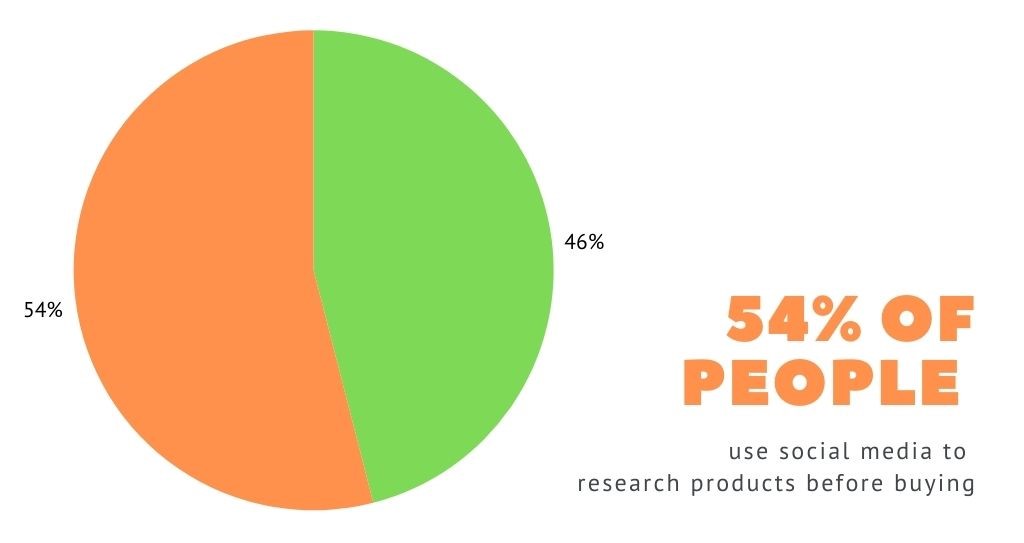
- Research Before Purchase: Approximately 43% of internet users turn to social media to research products before buying, according to GWI’s 2023 report — a figure that climbs even higher among younger demographics. This underscores the importance of positive UGC in the decision-making process.
- UGC vs. Influencer Content: Consumers find UGC 9.8 times more impactful than influencer content, with 79% stating that UGC highly influences their purchasing decisions, according to Nosto’s consumer content research.
Social Proof and Consumer Confidence
- Building Confidence: Social proof offered by UGC plays a crucial role in the buyer’s journey, enhancing consumer confidence and influencing purchasing decisions.
- Word-of-Mouth Marketing: UGC drives word-of-mouth marketing, serving as compelling social proof and providing valuable feedback for continuous enhancement.
- Shaping Perceptions: UGC, particularly online reviews, is a powerful force in shaping consumer perceptions and purchasing decisions. Understanding how to analyze online reviews and feedback is an essential part of any UGC strategy.
Take Control of Your Brand’s Online Narrative
Our reputation management experts help businesses harness user-generated content, manage reviews, and build lasting trust online.
Strategies For Leveraging User-Generated Content in ORM
To effectively leverage UGC for Online Reputation Management, businesses can adopt a strategy that includes strategic monitoring, engagement, and content optimization.
Monitoring and Responding
- Customer Reviews: Regularly monitor and respond to customer reviews across platforms like Google, Yelp, and Facebook. This not only aids in ORM but also provides insights into customer sentiment and areas for improvement.
- Social Listening: Employ social listening tools to track branded keywords, hashtags, and social engagement. This allows for a comprehensive understanding of how your brand is perceived online. Platforms designed for this purpose are covered in our guide to the top online sentiment monitoring platforms.
- Competitor Analysis: Monitor competitors’ UGC for insights and identify differentiation opportunities. Monitoring competitor reviews can reveal strengths and weaknesses in your own strategy.
Engaging and Promoting UGC
- Encourage Content Creation: Foster a community that actively participates in content creation. Use hashtag campaigns and rewards to incentivize UGC, enhancing brand awareness and engagement.
- Feature UGC: Showcase user-generated content across various platforms, including social media, blogs, and product pages. This promotes authenticity and builds trust with potential customers.
- Rights and Credits: Always obtain permission before using UGC and give clear credit to the original creators. This respects creators’ rights and fosters a positive relationship between the brand and its audience.
Optimizing and Utilizing UGC
- Content Strategy: Develop a content strategy that leverages UGC to address common customer questions and concerns, reinforcing the positive aspects of your brand.
- SEO and ORM Synergy: Utilize SEO best practices to ensure positive UGC about your brand ranks high in search results. A thorough online reputation audit can reveal which UGC is already helping — and where gaps exist.
- Crisis Management: Have a crisis management plan for handling significant reputation issues. This should include strategies for leveraging positive UGC to counteract negative perceptions.
Leveraging UGC requires a thoughtful approach that respects user contributions, promotes authenticity, and aligns with broader marketing objectives.
Challenges in Managing User-Generated Content
Managing user-generated content poses unique challenges that demand strategic solutions to maintain and enhance online reputation. Addressing these challenges head-on can transform potential pitfalls into opportunities for strengthening brand presence and trust.
Here are 3 common problems and potential solutions.
- Content Moderation and Spam Control: The open nature of UGC platforms can lead to spam and inappropriate content, undermining the brand’s reputation.
- Solution: Implement robust content moderation policies and employ automated filtering tools alongside human oversight to maintain content quality and relevance.
- Negative Feedback: Despite best efforts, brands will encounter negative feedback and reviews. Such instances can significantly impact a brand’s online reputation if not managed properly.
- Solution: Develop a protocol for timely and respectful responses to negative feedback, focusing on resolution and customer satisfaction. Encourage satisfied customers to share their positive experiences to balance the narrative.
- Legal and Ethical Concerns: Navigating the legal landscape of UGC involves ensuring compliance with copyright laws and respecting user privacy.
- Solution: Establish clear guidelines for UGC use, including obtaining explicit consent from content creators and adhering to legal content use and privacy standards.
Strategic Approaches to UGC Management
- Setting Clear Objectives: Define SMART goals for your UGC strategy, focusing on metrics like engagement rates, conversion rates, and overall sentiment analysis to measure success.
- Content Audits: Regularly review and update user-generated content to ensure it aligns with the brand’s messaging and values. Remove outdated or irrelevant content to maintain an engaging online presence.
- Crisis Management Preparation: Be prepared for potential online crises by having a crisis management plan in place. This includes strategies for leveraging positive UGC to mitigate negative publicity and maintaining open and honest communication with your audience. Our ultimate guide to crisis management and reputation repair covers this in depth.
- Investing in Resources: Recognize the complexity of ORM and consider allocating resources towards hiring professionals or utilizing advanced tools for effective UGC management and reputation enhancement.
Measuring the Impact of User-Generated Content on ORM
To effectively gauge the impact of user-generated content on Online Reputation Management, businesses should focus on a set of key metrics that provide insights into both the reach and sentiment of UGC related to their brand. These metrics include:
- Review Analysis:
- Number of Reviews: Tracking both positive and negative reviews gives an overall picture of brand sentiment.
- Review Ratings: Star ratings on platforms like Google and Yelp offer a quick snapshot of customer satisfaction.
- Sentiment and Social Listening:
- Sentiment Analysis: Employing tools to analyze the tone (positive, negative, or neutral) of user comments and reviews can offer deeper insights into consumer sentiment.
- Social Media Mentions: Monitoring the frequency and reach of brand mentions across social platforms helps understand brand visibility and public perception.
- Trend Analysis:
- Metrics Over Time: Comparing these metrics on a monthly or quarterly basis can highlight trends, showing whether brand perception is improving or declining.
Benefits of User-Generated Content
The impact of UGC on a brand’s online reputation extends beyond just metrics. User engagement, facilitated by authentic and relatable UGC, can significantly increase sales and brand loyalty. Key outcomes include:
- Enhanced Engagement and Sales: UGC has been shown to increase engagement, leading to higher sales. This demonstrates the direct correlation between active customer participation and revenue.
- SEO and Brand Awareness: Organic search engine traffic can see a boost from UGC, increasing brand visibility and aiding in customer acquisition and retention.
- Conversion Rates: Interaction with UGC can result in a significant increase in click-through rates and meaningful lifts in conversion, showcasing the compelling influence of authentic customer endorsements on purchase behavior.
To capitalize on these benefits, brands must actively encourage UGC across all stages of the customer journey, from awareness to purchase. This involves engaging customers through social campaigns, blogs, and user-generated images, creating a vibrant community around the brand.
Social media platforms serve as an excellent arena for showcasing UGC, fostering a sense of authenticity and trust that resonates with both existing and potential customers.
Final Thoughts
This article covered the dynamic world of user-generated content and its undeniable influence on Online Reputation Management (ORM).
We’ve seen how UGC, from customer reviews to social media buzz, not only enhances brand authenticity but also significantly boosts consumer trust and engagement. By adopting strategic practices that respect creators, seek permission, and encourage diversity, businesses can leverage UGC as a potent tool in shaping positive brand perceptions and driving engagement.
The journey through understanding and utilizing user-generated content reveals its critical role in building social proof, influencing purchasing decisions, and fostering brand loyalty. For a broader look at how these efforts fit into a complete strategy, see our overview of 10 effective strategies to improve online reputation for your business.
As brands navigate the complexities of ORM, tapping into the power of UGC is a strategic necessity, not an option.
How Can We Help You?
From negative content removal to suppression, correction, and ratings and review management, our experts can solve nearly any online brand issue.
How can user-generated content be effectively utilized?
To effectively utilize UGC, encourage your audience to produce content and create specific hashtags for them to use. Display UGC prominently on your social media channels, actively engage with your audience by responding to their content, and consistently monitor and oversee the UGC to ensure it aligns with your brand’s values and goals.
What strategies can enhance my online reputation management?
To enhance your online reputation, it’s essential to conduct a brand audit to understand your current reputation, monitor mentions of your brand across various platforms, address negative feedback promptly and professionally, invest in search engine optimization (SEO) to improve your online visibility, use public relations to shape your brand image, encourage customers to leave reviews, and promote content that casts your brand in a positive light.
What are some effective methods for incorporating user-generated content?
Consumer-generated content can be effectively incorporated through various forms such as customer reviews and testimonials, user posts and stories expressing their affinity for your brand, customer photos and videos, blog posts, and comments. Utilizing UGC provides a steady stream of creative material, builds social proof, influences purchasing decisions, and increases brand awareness.
What does it mean to leverage user-generated content for effective brand building?
Leveraging consumer-generated content for brand building involves regularly featuring UGC in your marketing to keep your content fresh and authentic. Foster a sense of community by interacting with UGC creators — comment on, like, and share their content to show appreciation. Additionally, create and promote unique hashtags for various campaigns or product lines to help organize and amplify the visibility of UGC.
Frequently Asked Questions








Protect Your Online Reputation
Every day you wait, negative content gets stronger. Talk to our experts about a custom strategy for your situation.
Get Your Free Analysis