
Wikipedia Articles for Deletion (AfD) Process and Explanation
Understand the community-driven process that determines which Wikipedia articles survive, get improved, or disappear for good.

- AfD follows three stages: nomination, community discussion, and consensus — typically resolved within seven days.
- Notability must be supported by reliable, published sources or an article risks deletion.
- Articles must meet verifiability, neutrality, and sourcing standards beyond just notability.
- AfD is open to any registered Wikipedia user, making community participation central to outcomes.
- Advertising-style content or original research without external validation are common AfD targets.
Wikipedia's Articles for Deletion (AfD) process is a community-driven mechanism that determines whether articles meet the platform's quality standards. Over 200 English Wikipedia articles are deleted daily through a structured nomination, discussion, and consensus process. Understanding AfD helps individuals and organizations protect or improve their Wikipedia presence by meeting notability, verifiability, and neutrality requirements.
It’s estimated that more than 200 articles are deleted from the English Wikipedia daily. The process for removal from Wikipedia is called “Articles for Deletion”. Articles for Deletion (AfD) is an important quality control mechanism on Wikipedia. Additionally, it’s a community-driven process where articles that may not meet Wikipedia editing standards are put forward for discussion regarding their deletion, retention, or improvement. The primary goal of AfD is to maintain the high quality and reliability of Wikipedia’s content.
ToC
- Key Stages
- Notability and Content Standards on Wikipedia
- Benefits and Applications of AfD
- Challenges and Limitations of AfD
- Future Prospects and Implications of AfD
- Conclusion
- FAQs
Stages to Delete a Wikipedia Article
The AfD process consists of several key stages:
Does Your Company Qualify for a Wikipedia Page?
Run a free notability check. Our analysis engine reviews real press coverage against Wikipedia's actual notability standards and emails you a detailed report — no sales call required.
Your notability check is running
We're analyzing coverage of right now — it usually takes 10–15 minutes. Your report link will arrive from noreply@reputationx.com; check spam if you don't see it. Keep reading — nothing else to do here.
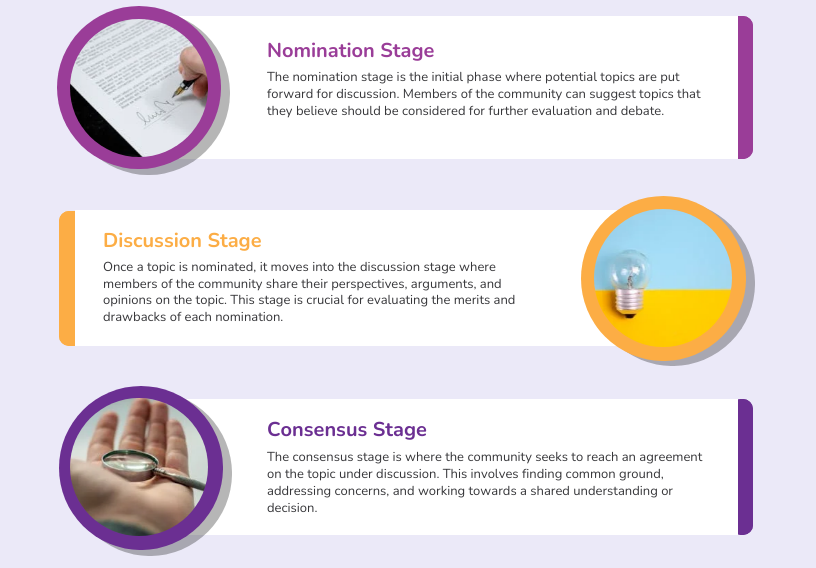
- Nomination: A user nominates an article for deletion when they believe it doesn’t meet Wikipedia’s standards. To do this, editors typically add a specific template to the article and start a discussion page.
- Discussion: Once nominated, the Wikipedia community weighs in by providing arguments for or against the article’s deletion or potential editing. This discussion is open to any user with a Wikipedia account.
- Consensus: After a predetermined period, usually seven days, editors close the discussion and determine a consensus. This could result in deleting the article, keeping it, or renominating it for further discussion.
Key participants in the AfD process include:
- Nominators: Users who suggest an article for deletion
- Editors: Contributors to the discussion with arguments and evidence
- Administrators: Responsible for closing discussions and enforcing consensus decisions
AfD serves as Wikipedia’s quality control mechanism, allowing the community to collectively decide the fate of articles that may not be up to par. This participatory process helps maintain the integrity of Wikipedia.
Notability and Content Standards on Wikipedia
One of the main criteria for an article to remain on Wikipedia is its notability. Notability refers to the significance of a topic as evidenced by reliable, published sources. An article is more likely to face AfD if it lacks notable sources that verify its importance.
Wikipedia’s content standards extend beyond notability and include:
- Verifiability: Reliable sources must back information
- Neutrality: Articles should present information fairly, without bias
- Reliable sources: Citations should come from reputable and credible sources
Examples of articles that might be subject to AfD include:
- Unverifiable topics: Articles on subjects with little to no information from credible sources
- Original research: Articles that present theories or ideas without external validation
- Advertising content: Articles written to promote a business or individual without factual and neutral presentation
Ensuring your Wikipedia article survives requires more than just meeting notability requirements and doing a couple minutes of light editing; it must adhere to strict content guidelines. This ensures the platform remains a trusted source of information, reflecting a balanced and verified perspective on a multitude of topics.
Benefits and Applications of AfD
The AfD process plays a significant role in maintaining the integrity and quality of editing and publishing Wikipedia content. Here are some key benefits:
- Maintaining Quality: AfD helps remove low-quality or irrelevant content, ensuring Wikipedia remains a trusted resource. Deleting spam pages and articles about non-notable topics frees up space for more deserving content, enhancing the platform’s overall quality.
- Community Engagement: It encourages active participation from users, fostering a collaborative environment where anyone can contribute to decision-making. This involvement creates a sense of ownership and responsibility towards the platform.
- Conflict Resolution: AfD can resolve disputes over an article’s relevance, leading to improvements or clarifications of Wikipedia’s content standards. Through a structured and transparent process, AfD ensures fair treatment of all subjects and helps maintain a neutral point of view.
Successful AfD outcomes underscore its importance. For example, significant deletions of spam pages and non-notable topics not only liberate space but also enhance the platform’s overall credibility. Additionally, engaging in the AfD process educates participants about Wikipedia’s standards and improves their future contributions. This instructional experience further solidifies Wikipedia’s reliability as a source of information, ensuring contributors are well-informed and aligned with the community’s guidelines.
Challenges and Limitations of AfD
Despite its benefits, the AfD process is not without challenges and critics (especially by the authors of the articles being nominated). Common issues include:
- Bias and Conflict of Interest: Discussions can sometimes be influenced by personal biases or conflicts of interest, affecting the neutrality of the decision.
- Vandalism and Disruptive Editing: AfD Wikipedia pages can sometimes be disrupted by users with malicious intent, making the process more chaotic.
- Decision Fatigue: Administrators handling numerous AfD cases may experience decision fatigue, which we’ve found can interfere with editors’ ability to make balanced judgments.
To address these issues, Wikipedia relies on guidelines and policies when editing. So for example, discouraging canvassing (soliciting votes from editors) helps ensure discussions remain unbiased. Additionally, Wikipedia encourages a consensus-building approach over just voting, favoring well-reasoned arguments over numerical superiority.
These measures, backed up by community vigilance, help ensure that despite disruptive elements, the integrity of the AfD process is maintained.
Frequently Asked Questions








Protect Your Online Reputation
Every day you wait, negative content gets stronger. Talk to our experts about a custom strategy for your situation.
Get Your Free Analysis