
How People Really Find a Brand Online ??The Meandering Path to Discovery
From vague first searches to brand shortlists, the real path consumers take online is messy — and knowing it can transform your SEO strategy.


- Create broad, short-tail content to capture users who are still defining what they need.
- Invest in long-tail blog posts, FAQs, and comparison pages to appear during the self-education phase.
- Optimize for mobile and scannable layouts — users skim pages, especially on small screens.
- Monitor your branded search results closely, since one negative listing can end the buyer journey.
- Account for AI Overviews, featured snippets, and Knowledge Panels when planning your search presence.
Consumers rarely discover brands in a straight line — they move through a fragmented funnel of broad searches, long-tail refinement, and brand discovery before ever searching your name directly. Understanding this journey helps marketers create content that captures attention at every stage. Owning a strong, positive first page of branded search results is critical, as a single negative result can stop a buyer before they reach you.
When people search online for a product or service, they rarely do so in a linear fashion. The path they take often seems random to an outside observer and, when mapped, can look like a bowl of cooked noodles.
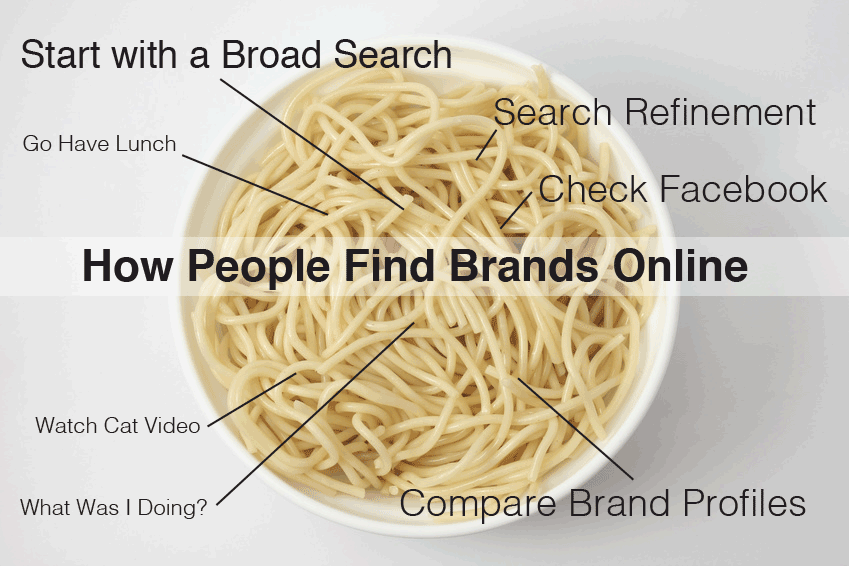
This path resembles a scavenger hunt more than a straight line. When a consumer begins their search, they are still discovering what they truly need. The process of search is one of discovery and self-education. When performing internet reputation services, we take this type of consumer behavior into account.
Understanding typical consumer behavior will help your pages rank higher for your keywords. Research consistently shows that pages-per-session figures vary significantly by industry and device. With mobile-first browsing now dominant, users abandon sites quickly if they don’t find what they need. If your site doesn’t appear in search results, you’re missing out on many potential customers.
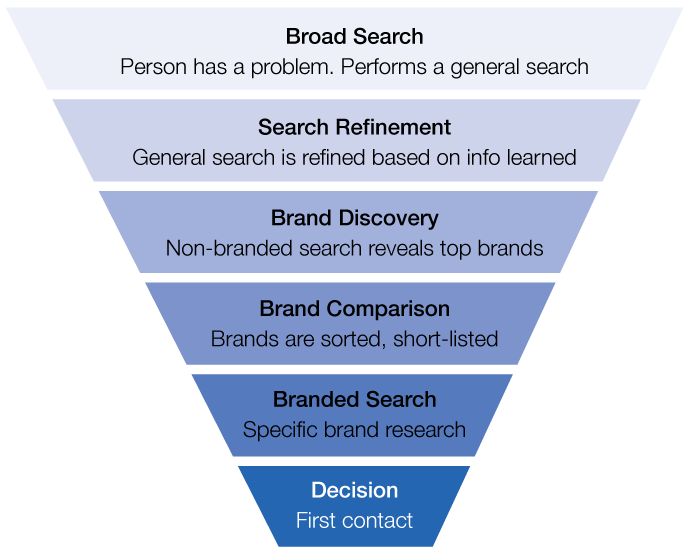
The Branded Search Funnel
Get a Free Reputation Assessment
Find out what people see when they search for you online. No obligation — results in 24 hours.
Broad Searches: People Are Still Educating Themselves
Like any sales process, consumers searching for a solution travel through a funnel. At the top are broad searches, where consumers start at the most general level. They often don’t yet know what they’re truly looking for and naturally click on brand home pages.
Broad searches are often called “short-tail” searches — for example, “nearby restaurants” or “books like Harry Potter.” As people learn more about their options, they refine these broad searches to zero in on the best fit.
Search Refinement: Queries Begin to Morph
Broad searches evolve into “long-tail” searches as refinement takes place. More words are added, phrases are modified, and each query grows more specific as the consumer hunts for a solution. At this stage, they’re still in “educational” mode — they don’t know about your brand yet.
This journey is rarely as tidy as a traditional funnel suggests. Modern consumers bounce between channels — social media, AI-generated search summaries, voice search, and video platforms — before they ever type a brand name into a search bar. The funnel remains a useful mental model, but the path through it has become far more fragmented.
Brand Discovery: You’ve Been Shortlisted

Brand discovery is the first stage where a consumer becomes aware of a specific brand. During this phase, consumers compare brands based on search results and the content behind them. People are not reading entire web pages — they are scanning them. Nielsen Norman Group’s eye-tracking research has documented this behavior for years, and it has become even more pronounced on mobile devices.
AI-generated summaries in search results increasingly answer questions before a user clicks through to a page. The pressure to make a strong first impression has never been higher. If your content has informed a consumer’s self-education, the chance of your brand making their shortlist increases significantly.
Branded Searches: They Finally Know Your Name
From the shortlist, consumers engage in branded searches. Branded searches include terms about a specific company, product, service, or person associated with a brand. These searches surface reviews, in-depth articles, and leadership profiles.
Every brand’s goal is to own the first page of search results in a positive way. One negative result can end the buyer’s journey before it reaches your door. The first page of Google now includes AI Overviews, featured snippets, People Also Ask boxes, Knowledge Panels, and local packs — leaving fewer traditional organic results visible above the fold. Owning that page still matters enormously, but the tactics required have grown more sophisticated. This is why it’s important to keep your brand in top shape.
Once a consumer has narrowed the field to the best possible choice, they will consider engaging with your brand fully. It’s during these final stages of the buyer’s journey that online reputation management becomes most important.
Is Your Brand Ready When Customers Come Looking?
The moment a consumer shortlists your brand, your online search profile either wins or loses the business. Let RepX help you build a profile that converts.
How Brands Are Compared Side-by-Side in Search Results
When deciding between brands, consumers compare them side-by-side in search results. These results are known collectively as a brand’s “search profile.” The brand with the strongest online search profile most often wins the business.
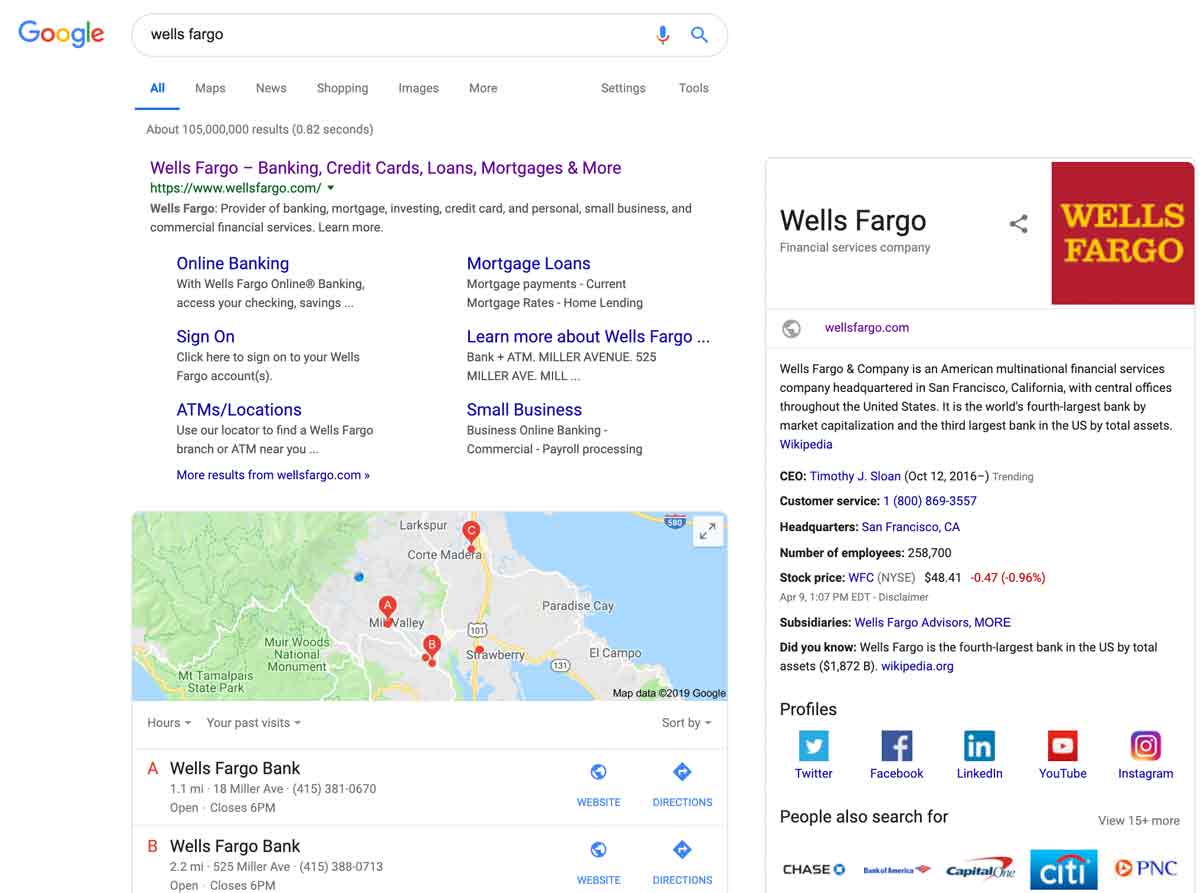
Internet reputation management helps brands compare favorably when consumers decide which company to contact. Some campaigns improve star ratings on platforms like Google Business Profile, Trustpilot, G2, and Yelp. Others address and remove problematic search results. The most impactful campaigns build a near-bulletproof online profile using search engine optimization techniques combined with a strong presence across the review and knowledge ecosystems that modern consumers rely on.
Frequently Asked Questions






Protect Your Online Reputation
Every day you wait, negative content gets stronger. Talk to our experts about a custom strategy for your situation.
Get Your Free Analysis