
Online Reputation Management for Startups
Your startup's reputation starts forming before you make your first sale — here's how to take control of it early and make it work in your favor.
Building a positive online reputation should be every business owner’s top priority — right from the beginning.
With 98% of consumers reading online reviews before engaging with a local business, according to BrightLocal’s 2023 Local Consumer Review Survey, your online presence will make or break your ability to attract customers.
of consumers read online reviews before engaging with a local business
BrightLocal 2023 Local Consumer Review Survey
Every month, hundreds of thousands of new businesses open their doors, with U.S. Census Bureau Business Formation Statistics showing new business applications consistently averaging 400,000–500,000 per month in recent years. According to the U.S. Bureau of Labor Statistics, approximately 80% of new businesses survive their first year, about 45% make it to five years, and roughly 65% reach the ten-year mark. Just a quarter of all new businesses survive for 15 years or more.
They fail for many reasons, and a less-than-stellar reputation is one of them.
Why You Should Build Your Reputation as You Build Your Brand
During the crucial early stages, where you choose to spend your time, money, and effort can determine whether you become one of the 25% still open after 15 years — or one of the businesses that close in the first few years.
Brand reputation management is one of the areas often ignored until it’s too late.
The good news is that young companies have an advantage in shaping initial perceptions. It’s far cheaper to manage your business reputation before a problem than after.
By taking proactive steps to monitor, manage, and promote your online reputation from day one, you can nurture it into a strategic asset that helps you stand out from competitors.
Ignore it at your own peril — consumers have high expectations for information availability and transparency. Crafting a stellar narrative online is challenging but critically important work for any ambitious startup.
What Is Brand Reputation?
Brand reputation refers to the perception and opinion that consumers, stakeholders, and the general public hold about a particular brand. It encompasses the overall image, credibility, and trustworthiness of a brand in the market.
A strong, positive brand reputation influences consumer purchasing decisions, brand loyalty, and overall business success.
Understanding what online reputation management really involves is the first step toward building a strategy that works for your startup from day one.
Why Start a Reputation Campaign Before Problems Arise?
Your online perception dictates how likeable you are, how trustworthy you are, and whether a customer should bother with you.
New businesses don’t have the benefit of generalized brand awareness. There’s no inherent authority coming from your name, and when you’ve got a lot to prove, there isn’t much room for mistakes.
Get a Free Reputation Assessment
Find out what people see when they search for you online. No obligation — results in 24 hours.
New businesses must contend with established players that already have hundreds of great reviews. It’s an uphill battle — and one that should be started early.
Here are nine reasons to start managing your online reputation before problems arise:
-
Trust in Online Reviews Impacts Business: According to BrightLocal’s 2023 Local Consumer Review Survey, 49% of consumers trust online reviews as much as personal recommendations from friends and family, underscoring how heavily online sentiment shapes business outcomes.
-
Influence of Negative Reviews: 94% of consumers say a negative review has convinced them to avoid a business, according to ReviewTrackers (2022), making effective reputation management more critical than ever.
-
Importance of Review Volume: Consumers typically read several reviews before forming an opinion. BrightLocal’s 2023 data suggests most consumers read between one and six reviews before deciding — making both quality and quantity matter.
-
Impact of Ratings on Revenue: A Harvard Business School Working Paper by Michael Luca found that each additional one-star Yelp rating can increase a business’s revenue by up to 9%, demonstrating the lasting financial impact of online ratings.
-
Consequences of Poor Ratings for Startups: Low star ratings are increasingly costly — data from BrightLocal and PowerReviews shows consumers are more likely than ever to filter out businesses rated below four stars, a significant concern for startups still building momentum.
-
Word-of-Mouth and Service Perception: Unhappy customers have always been louder than happy ones, and in the social media era that dynamic is amplified dramatically. A single negative experience can now reach hundreds or thousands of people through social platforms.
-
Role of Social Media in Purchasing Decisions: Social media is a critical tool for researching products, and users’ perceptions of brands are heavily influenced by what they see on these platforms.
-
Influence of Positive Social Media Interactions: According to Sprout Social’s 2022 Index, 76% of consumers say they would choose a brand over a competitor after a positive social media experience, highlighting the importance of an interactive and responsive social presence.
-
Trust Building Through Social Media Interaction: Actively engaging with customers on social platforms is essential for building trust. Consumers are significantly more likely to trust and remain loyal to brands that respond and interact with them online, rather than those that maintain a one-way broadcast presence.
Build Your Startup's Reputation Before Problems Strike
RepX helps startups establish a strong, positive online presence from day one — so you're never caught off guard by a bad review or a PR crisis.
Importance of Online Reputation
Online reputation directly impacts a brand’s credibility, trustworthiness, and overall perception.
Your online reputation reflects how others perceive you or your business in the digital space. It can influence:
- Job prospects
- Business opportunities
- Trust in your business
- Customer loyalty
- Overall success
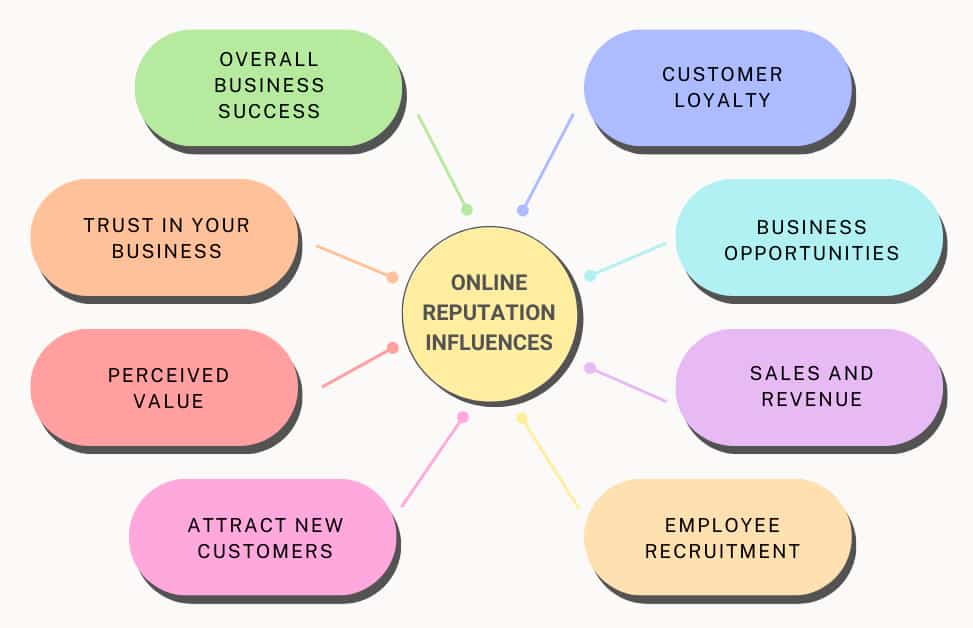
A positive online reputation can attract new customers, retain existing ones, and foster a loyal customer base. On the other hand, negative reviews, complaints, or scandals can quickly tarnish a brand’s reputation and cause significant damage.
Businesses need to actively monitor and manage their online reputation to stay aware of what is being said about their brand and take appropriate action. This includes:
- Monitoring social media mentions
- Responding to online reviews
- Engaging with customers to address concerns or issues promptly
By understanding the importance of online reputation, businesses can proactively shape the narrative around their brand, address negative feedback, and build a strong positive presence. For a deeper look at how reputation affects the bottom line, see how reputation affects business success.
Start Review Management Early
The faster you accumulate positive reviews at the beginning, the harder it will be for negative reviews to drag down your average star rating.
Review management can be simple at first. Send a brief satisfaction email to every customer you do business with, giving them a chance to share feedback privately. If the response is negative, you catch the complaint before it becomes a public Yelp review. If it’s positive, direct them to the review platform most in need of improvement.
Start this process with your very first customer and continue with every customer after that.
How to Own Your Online Presence
Start with your own website. Your site needs to rank high in search results so people can find it — ranking poorly for your own brand name can be a serious liability online.
Create a website for your business and consider a personal website using your name as the domain. This ensures your sites rank high in search results when someone searches for you, giving you control over what people find.
- Start with a strong website and add content regularly. This simple inbound content plan can help.
- Collaborate with relevant sites to build inbound and outbound links.
- Use SEO keywords and tags so your site appears for appropriate search terms.
Once your website is optimized and represents your brand well, work on the following areas to set your reputation up for long-term success.
Expand Your Digital Footprint
Take your online presence further by owning related domains. Consider creating additional websites or subdomains for different aspects of your business, such as a blog, customer support portal, or product pages.
Expanding your digital footprint helps protect your brand and prevents negative information from dominating search results.
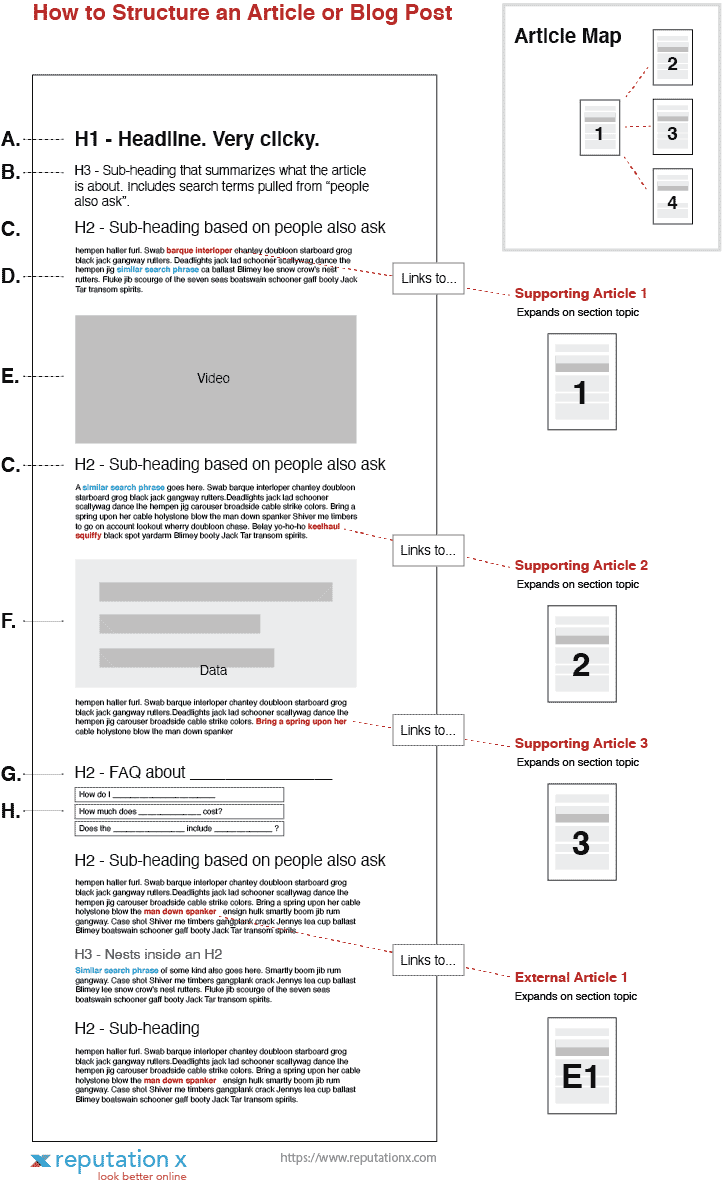
Use the Power of Blogging
Blogging is a powerful tool for building a positive online reputation. Publish high-quality, engaging content that reflects your expertise and offers genuine value to your audience.
Each blog post should be unique and informative. By sharing your knowledge and insights, you position yourself as an industry thought leader and establish lasting credibility.
Be Active on Social Media
Social media allows startups to level the playing field with bigger competitors by engaging directly with communities. Claim your business profiles on Facebook, X (formerly Twitter), LinkedIn, Instagram, and YouTube.
Share a steady stream of content such as:
- Behind-the-scenes photos
- Industry articles
- Employee spotlights
- Short-form videos
This shows prospects you are active, humanizes your brand, and shapes perceptions. Promote your startup culture and values through social channels — sustainability initiatives or charity work, for example, help attract mission-aligned customers and talent.
Regularly engage followers by responding to comments and questions. The more you nurture your social audience, the more vocal brand advocates you create. Encourage satisfied customers to like your pages or share positive reviews.
Leverage Online Business Listings
Given that 98% of consumers used the internet to find information about local businesses in the past year (BrightLocal, 2023), having properly claimed and optimized local directory listings is essential.
Register your startup on key platforms like Yelp, Facebook Business, Google Business Profile, and TripAdvisor. Completely fill out your profiles with:
- Images
- Descriptions
- Contact information
- Business details
Ask happy customers to leave reviews on these platforms to build credibility. Keep all listings current if you add locations, update hours, or change contact information — these discovery sites are where consumers form early impressions.
Don’t overlook your personal information either. Executive reputation is just as important as corporate reputation for a startup. For founders, a strong personal brand online is a direct extension of your company’s credibility — learn more about managing corporate and executive reputation effectively.
Link-in-bio platforms like Linktree, or a dedicated personal website, allow you to create pages that showcase your bio and connect visitors to your website, blog, and social profiles. Fill in all contact information and create complete profiles on major platforms like LinkedIn. Set up as many profile pages as possible to paint an accurate portrait of yourself. Here is a comprehensive list of profile pages you should create.
Encourage Positive Reviews and Testimonials
Positive reviews and testimonials play a significant role in building trust and enhancing your online reputation. Encourage satisfied customers to leave reviews on Google Business Profile, Yelp, or industry-specific review sites.
Highlight positive feedback on your website and social media profiles to showcase your credibility and the quality of your products or services.
Collaborate and Build Relationships
Building positive relationships within your industry is crucial for reputation building. Here are some effective ways to do it:
- Network with professionals, influencers, and journalists in your field
- Collaborate on projects and co-created content
- Contribute guest posts to reputable websites
- Engage in meaningful conversations on social media and industry forums
By associating yourself with respected individuals and brands, you enhance your own online reputation.
Monitor and Respond to Feedback
Regularly monitor what people are saying about you or your business online. Use brand monitoring tools to track mentions and reviews — Google Alerts is a great first step for tracking your brand name, products, key executives, and relevant keywords across the web.
This allows you to catch negative publicity or misinformation quickly and respond before it escalates. Monitor online reviews and industry forums, as these heavily influence consumer opinions.
Make social listening a daily habit across your core platforms. The real-time nature of social media means you can address emerging issues right away. Appoint team members to oversee community management if you cannot make it a full-time activity initially.
Respond promptly and professionally to both positive and negative feedback. Addressing concerns publicly demonstrates your commitment to customer satisfaction and can turn a negative experience into a positive one. For a broader look at available tools, explore the top online sentiment monitoring platforms.
Tempted to Buy Reviews?
Most businesses that end up buying reviews do so because they didn’t start their reputation management program early enough. While buying reviews is widely discouraged — and against the terms of service of most major platforms — it remains a common temptation.
If you start early, your online presence should be strong enough to withstand the occasional bad review, and you won’t need fake ones. It’s the unprepared brands that get hurt.
Continuously Improve and Adapt
Building a strong online reputation is an ongoing process. Stay current with trends and best practices in your industry, seek feedback from your audience, and incorporate suggestions for improvement.
Regularly update and refresh your content to keep it relevant. Adapt to changing circumstances and remain proactive in managing your online reputation.
Seek Professional Assistance
If managing your online reputation feels overwhelming, consider working with professionals in online reputation management. They can provide guidance, implement strategies, and monitor your online presence to ensure a consistently positive brand image.
A Brand Reputation Disaster Story
In 2006, Amy and Samy Bouzaglo opened Amy’s Baking Company in Scottsdale, Arizona. Though they were a small, local business, their closure nine years later generated nationwide publicity — and many cheered their demise. The reason? Poor social media etiquette.
Amy’s Baking Company appeared on a 2013 episode of Gordon Ramsay’s Kitchen Nightmares — the first episode where Ramsay was unable to help the owners and ultimately walked away. The episode went viral.
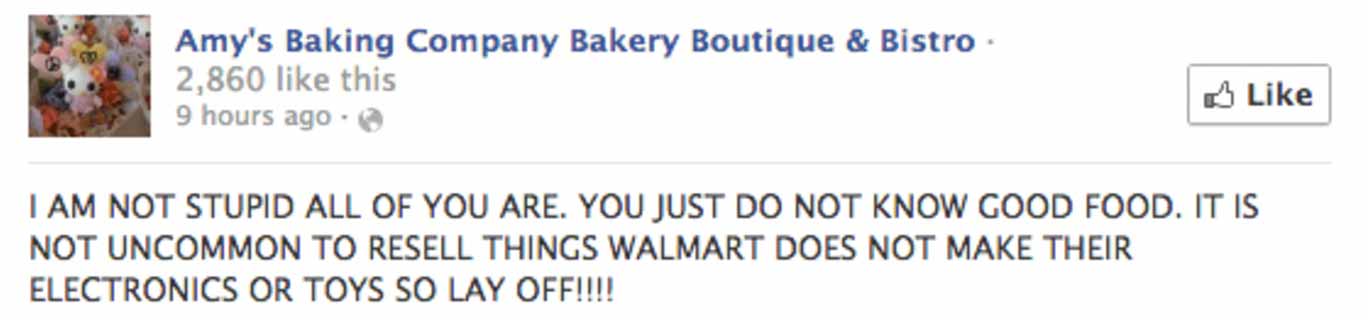
Following the airing, viewers flooded social media, review sites, and message boards with commentary. Rather than responding professionally, the owners jumped into the fray with hostile replies — culminating in a widely shared Facebook meltdown. They were never able to recover.
There are many lessons to draw from Amy’s Baking Company, but the clearest is this: a negative reputation can break your business. Amy’s didn’t close because of a poor product — it closed because of a poor response. Instead of putting out the PR fire, the owners poured fuel on it, destroying their credibility in the process.
Brands Should Define Their Own Reputation
Effective brand reputation management isn’t just about avoiding public meltdowns. Most companies won’t face large-scale disasters, especially early on. For new businesses, the primary focus should be building name recognition and positive associations.
Taking the reins early is essential if you want to cultivate a positive presence. Take advantage of the blank slate that comes with being a new business, and invest the time to develop a brand reputation management strategy that sets you up for long-term success.
Need help building a reputation strategy for your business? Contact us today.
Frequently Asked Questions







Protect Your Online Reputation
Every day you wait, negative content gets stronger. Talk to our experts about a custom strategy for your situation.
Get Your Free Analysis