
Simple Things to Make Your Site Rank Better
Discover the practical, high-impact SEO strategies that help your website climb search rankings, attract more visitors, and grow your online business.

A high search engine ranking drives organic traffic, conversions, and revenue for any online business. This article covers 10 practical SEO techniques including improving page load speed, optimizing for featured snippets, and increasing dwell time. Implementing these strategies can meaningfully improve your site's visibility on Google SERPs.
How to Make Your Site Rank Better
-
1
Improve your website loading speed
Compress images, minimize unnecessary code, and eliminate or optimize third-party scripts to reduce page weight. Consider switching to a better hosting provider to improve server response time. Run a Core Web Vitals audit at least once per quarter using Google PageSpeed Insights to catch regressions in LCP or CLS scores before they hurt your rankings.
-
2
Optimize your content for featured snippets
Identify keywords you already rank for on page one and analyze what type of featured snippet appears for those terms, such as a definition, list, or table. Then craft a concise, well-structured section of content that directly matches that format. Monitor your rankings regularly and adjust your content if it does not surface in the snippet position.
-
3
Enhance dwell time on your pages
Embed relevant videos, write in-depth content, and use clear headings and bullet points to make pages more readable and engaging. A well-organized, visually appealing site encourages visitors to stay longer after clicking from search results. Review your analytics regularly to identify pages with low dwell times and prioritize those for improvement.
-
4
Build a site structure that earns sitelinks
Create a clear, logical site hierarchy and use descriptive anchor text on internal links so Google can understand each page's purpose. Add a table of contents to longer pages and ensure your navigation menu is intuitive and user-friendly. Because Google's algorithm controls which sitelinks appear, a well-organized structure gives your site the best chance of qualifying for them.
-
5
Expand your presence across the SERP
Optimize your content to rank for multiple related keywords so your site appears across a wider range of search results. Occupying more positions on a results page increases the likelihood that users will click through to your site. Targeting varied but relevant keyword clusters is the most sustainable way to grow your overall SERP footprint.
Having a strong online presence is crucial for the success of any business. One of the key components of a successful online presence is a high ranking on search engine results pages (SERPs). When your website ranks higher on search engines like Google, it becomes more visible to potential customers, leading to increased organic traffic, conversions, and revenue.
This comprehensive guide explores 10 effective techniques to improve your website’s ranking. These techniques drive organic traffic and boost search engine optimization (SEO). By implementing these strategies, you can enhance your website’s visibility, increase its chances of ranking higher on SERPs, and ultimately grow your online business. For a broader look at how reputation intersects with search visibility, see our guide on SEO reputation management.
1. Improve Your Website Loading Speed
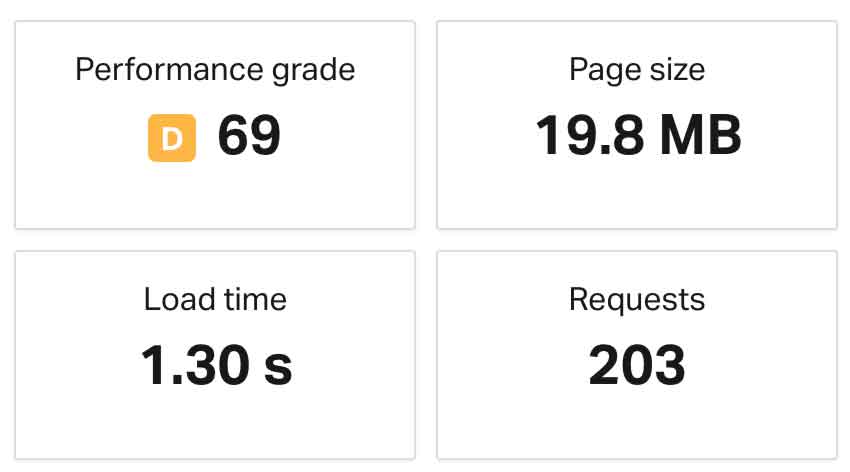
One of the most important factors that impact your website’s ranking on Google is its loading speed. Pages that load quickly rank higher on SERPs than slower-loading pages. To ensure that your website loads quickly, follow these tips:
- Compress your site’s images to reduce their file size.
- Consider moving to a better hosting provider to improve server response time.
- Reduce the file size of your web pages by minimizing unnecessary code.
- Eliminate or optimize third-party scripts that may slow down your website’s loading speed.
Google PageSpeed Insights and Chrome’s Core Web Vitals report are the most reliable tools available for assessing loading speed. Both provide actionable insights into specific areas where you can improve performance. Google’s Core Web Vitals — which measure loading, interactivity, and visual stability — are an established ranking signal, making them an essential benchmark for any site speed audit.
Get a Free Reputation Assessment
Find out what people see when they search for you online. No obligation — results in 24 hours.
2. Optimize for Featured Snippets
Featured snippets are selected search results displayed at the top of Google’s SERPs, providing users with concise answers to their queries. Ranking in a featured snippet can significantly increase your website’s visibility and drive more organic traffic. To optimize your content for featured snippets, consider these strategies:
- Identify keywords that you already rank for on the first page of Google.
- Analyze the type of featured snippet that appears for those keywords (e.g., definition, list, table).
- Create content that specifically targets the format of the featured snippet.
- Craft a section of your content that fits within the featured snippet box, providing a concise and informative answer.
- Monitor your rankings to see if your content appears in featured snippets, and make adjustments accordingly.
By strategically targeting featured snippets, you can capture a prominent position on Google’s SERPs and drive more organic traffic. Keep in mind that since Google de-duplicated featured snippets from standard organic results, a page shown in the featured snippet no longer also appears as a separate organic listing on page one — so the visibility gain comes from the snippet placement itself.
3. Enhance Dwell Time
Dwell time refers to the amount of time visitors spend on your website after clicking on a search result. While Google has not officially confirmed dwell time as a direct ranking factor, it is widely regarded as a useful proxy for content quality and relevance. Longer dwell times suggest that visitors find your content valuable, which can positively influence how search algorithms perceive your site.
To improve dwell time, consider these strategies:
- Embed relevant videos on your web pages to increase engagement and encourage visitors to stay longer.
- Create in-depth content that provides valuable information and answers to users’ queries.
- Improve the user experience by ensuring your website is easy to navigate and visually appealing.
- Optimize your content for readability by using clear headings, subheadings, and bullet points.
- Monitor your website’s analytics to identify pages with low dwell times and make improvements accordingly.
By focusing on improving dwell time, you can support your website’s ranking potential while also providing a better experience for your visitors.
4. Utilize Sitelinks and Expand Your SERP Real Estate
Sitelinks are additional links displayed below a website’s main search result on Google. These links provide users with quick access to specific pages within your website, enhancing visibility and click-through rate. To increase the chances of Google displaying sitelinks for your website, follow these best practices:
- Create a clear and organized website structure with a logical hierarchy.
- Use descriptive anchor text for your internal links to help Google understand the content of each page.
- Implement a table of contents on longer pages to enhance navigation and provide users with easy access to specific sections.
- Optimize your website’s navigation menu to ensure it is user-friendly and easy to navigate.
Sitelinks are determined entirely by Google’s algorithm — webmasters have no direct control over which links appear, and the ability to manually demote sitelinks was removed from Google Search Console in 2016.
Expanding Your Broader SERP Presence
Expanding your SERP real estate means increasing your website’s presence and visibility across Google’s search results. By occupying more space on the SERP, you increase your chances of attracting clicks and driving organic traffic. Consider these strategies:
- Optimize your website’s content to rank for multiple relevant keywords, increasing the likelihood of appearing in various search results.
- Create compelling meta titles and descriptions that entice users to click on your search results.
- Utilize structured data markup to enhance the appearance of your search result with rich snippets, such as star ratings, reviews, or event information.
- Implement a robust local SEO strategy to appear in local search results, especially if you have a physical storefront or serve a specific geographic area.
- Optimize content to appear within AI Overviews — Google’s AI-generated answer summaries that now appear at the top of many SERPs — by focusing on clear, authoritative, and well-structured responses to common queries in your niche.
Google has been progressively reducing traditional organic real estate in favor of AI Overviews, which launched broadly in the US in May 2024. This makes it more important than ever to pursue multiple visibility strategies simultaneously rather than relying solely on standard blue-link rankings.
Want Better Search Visibility?
Our team helps brands build the kind of authoritative online presence that ranks well in both traditional search and AI-generated results.
5. Create Linkable Assets and Target High-Value Keywords
Linkable assets are high-quality pieces of content that are valuable and informative, making them attractive to other websites as a source for reference and citation. By creating linkable assets, you can increase the number of backlinks pointing to your website — an important SEO signal, though evolving research suggests links may be one of several factors rather than the dominant force they once were. To create linkable assets, consider these strategies:
- Conduct in-depth research on a specific topic and create comprehensive guides or reports.
- Develop infographics or visual content that presents complex information in a visually appealing and easy-to-understand format.
- Publish original research or studies that provide valuable insights and data.
- Create interactive tools or calculators that offer unique functionality and utility to users.
- Produce high-quality videos or podcasts that provide educational or entertaining content.
By creating linkable assets, you can attract backlinks from authoritative websites, increase your website’s authority, and improve its ranking on search engines. For more on building links as part of a reputation-focused campaign, see our overview of link building for SEO reputation campaigns.
Targeting Keywords with High Commercial Intent
Targeting keywords with
Frequently Asked Questions








Protect Your Online Reputation
Every day you wait, negative content gets stronger. Talk to our experts about a custom strategy for your situation.
Get Your Free Analysis