
How to Build Consensus on Wikipedia: Tips for Editing Success
Master the policies, communication tactics, and dispute resolution tools that turn contentious talk page debates into edits that actually hold up.

- Learn Wikipedia's core policies — NPOV, Verifiability, No Original Research — before joining any discussion.
- Read the full edit history and archived talk pages before opening a new thread.
- Frame your arguments around Wikipedia's principles, not personal preference or opinion.
- Use non-confrontational language to make other editors more receptive to your proposals.
- When discussions stall, escalate strategically using Wikipedia's formal dispute resolution tools.
Building consensus on Wikipedia requires understanding core policies like NPOV, Verifiability, and No Original Research before entering any talk page discussion. Editors who review article history and past debates, communicate without confrontation, and ground arguments in Wikipedia's guidelines are more likely to make edits that stick. When disputes stall, Wikipedia offers formal escalation tools including third-party opinions, mediation, and arbitration.
How to Build Consensus on Wikipedia
-
1
Learn the core Wikipedia policies
Wikipedia's three most important policies are Neutral Point of View (NPOV), Verifiability, and No Original Research. Start with Wikipedia's Policies and Guidelines summary page and the Five Pillars page to build a working understanding. Framing your proposals around these platform principles rather than personal preference is far more persuasive to experienced editors. Always verify the exact wording of a policy before invoking it — misquoting guidelines can undermine your argument and stall consensus.
-
2
Review previous conversations and edit history
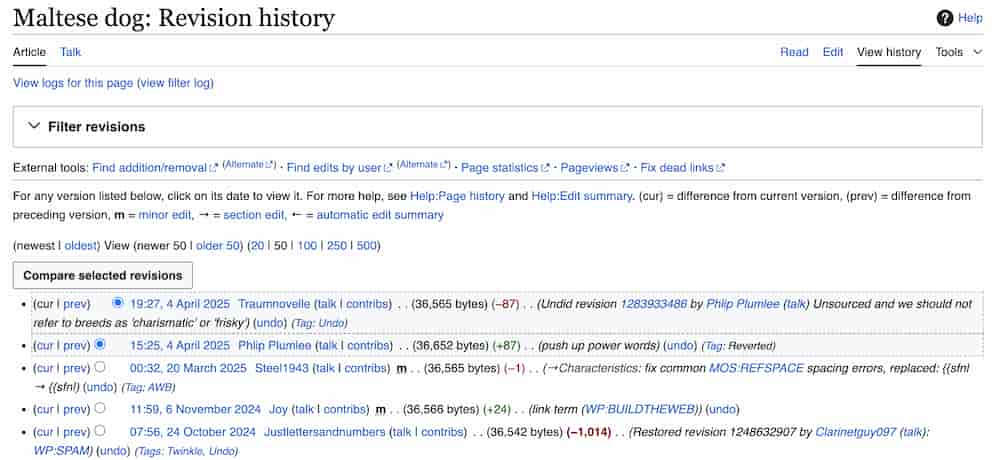
Before opening a new talk page thread, read the article, its edit history, and any archived discussions. Ongoing disputes about source validity or article scope often have unresolved history that shapes how current editors respond. Use Wikipedia's history tool and talk page archives to locate this information. Recognizing past points of disagreement helps you introduce fresh insights that move the conversation forward rather than retreading settled ground.
-
3
Ground your arguments in reliable sources
Wikipedia's reliable sources guidelines define what qualifies as acceptable evidence in any consensus discussion. Blogs, social media posts, and press releases are explicitly identified as generally unreliable, so avoid citing them and be prepared to challenge opponents who do. Draw from Google Scholar, reputable news outlets, recognized research databases, and government resources. Vetting each source carefully demonstrates your commitment to accuracy and neutrality, which earns trust from other editors.
-
4
Communicate without confrontation
Non-confrontational communication moves conversations toward cooperation and makes other editors more receptive to your proposals. Focus on the content and relevant policies rather than the personalities involved. Finding common ground is progress, not compromise, and productive edits benefit everyone involved in the discussion.
-
5
Escalate disputes through proper channels when needed
When discussions reach an impasse, escalation is sometimes necessary to break cycles of repetition. Wikipedia's dispute resolution services include third-party opinions, mediation, and arbitration. Use these tools strategically rather than letting disputes stall indefinitely.
Building consensus on Wikipedia is harder than it looks. What starts as a simple edit can quickly spiral into a drawn-out dispute involving unfamiliar rules, competing opinions, and community norms that aren’t always obvious to newcomers.
This guide covers how Wikipedia’s consensus process works, what policies govern it, and how to navigate talk page discussions effectively — so your edits stick and your contributions hold up over time.
Key Takeaways
- Wikipedia is a collaborative project. Combining perspectives produces better content than pushing a single point of view.
- Core policies — Neutral Point of View, Verifiability, and No Original Research — govern all discussions. Knowing them strengthens your credibility.
- Non-confrontational communication moves conversations toward cooperation and makes other editors more receptive.
- Back every position with relevant Wikipedia policies and reliable sources. Focus on content, not personalities.
- Finding common ground is progress, not compromise. Productive edits benefit everyone involved.
When discussions reach an impasse, escalation is sometimes necessary. Wikipedia’s dispute resolution services include third-party opinions, mediation, and arbitration. Use these tools strategically to break cycles of repetition rather than letting disputes stall indefinitely.
Every edit ultimately serves readers beyond any individual contributor. Keeping Wikipedia’s core purpose in mind — unbiased, verifiable content — leads to more effective discussions and helps prevent article deletion.
Steps to Build Consensus on Wikipedia
Building consensus requires preparation, mutual respect, and a working knowledge of Wikipedia’s community guidelines. Investing time upfront builds credibility, fosters cooperation, and reduces editor conflicts. The following steps provide a solid foundation before you enter any discussion.
Know the Core Wikipedia Policies
Wikipedia’s core policies form the basis of every talk page discussion. The three most important are Neutral Point of View (NPOV), Verifiability, and No Original Research. Understanding these policies — especially NPOV — allows you to frame proposals around platform principles rather than personal preference, which is far more persuasive to experienced editors.
Start with Wikipedia’s Policies and Guidelines summary page and the Five Pillars page. Grounding your arguments in these principles signals that you’re editing in service of Wikipedia’s mission, not your own interests. You can also deepen your understanding by mastering NPOV rules.
Review Previous Conversations and Edits
Before opening a new talk page thread, read the article, its edit history, and any archived discussions. Ongoing disputes about source validity or article scope often have unresolved history that shapes how editors respond. Knowing that context lets you offer fresh solutions rather than retreading settled ground.
Use Wikipedia’s history tool and talk page archives to locate this information. Recognizing past points of disagreement helps you introduce new insights that move the conversation forward. Our guide on how to monitor and manage Wikipedia page history walks through this process in detail.
Need Help Navigating Wikipedia?
Our team understands Wikipedia's policies, consensus processes, and editor community. We can help you make accurate, lasting edits the right way.
Ground Your Arguments in Reliable Sources
Strong sourcing is one of the most effective tools in any consensus discussion. Wikipedia’s reliable sources guidelines define what qualifies as acceptable evidence. Blogs, social media posts, and press releases are explicitly identified as generally unreliable — be prepared to challenge these when opponents cite them, and avoid using them yourself.
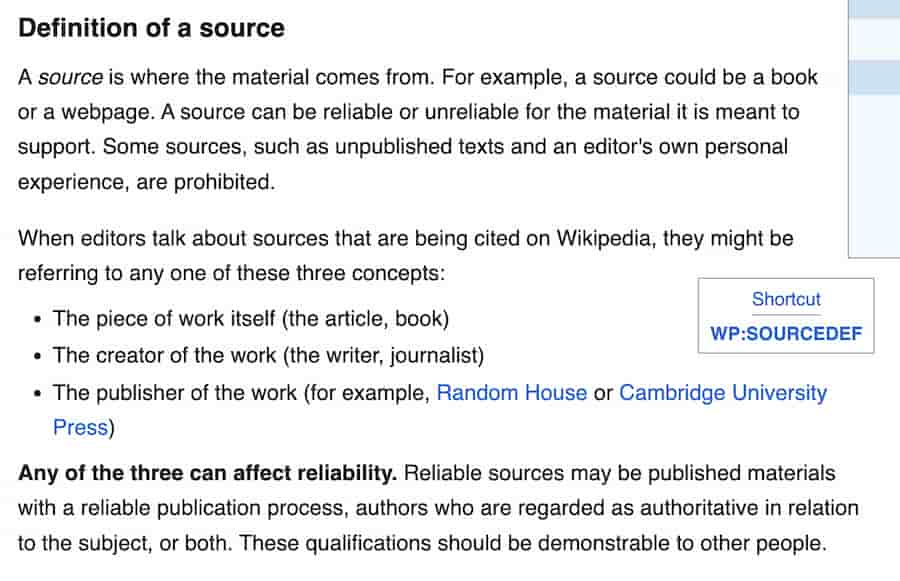
Draw from Google Scholar, reputable news outlets, recognized research databases, and government resources. Vet each source carefully: consider the author’s reputation and whether the publication is considered authoritative among reliable sources. Rigorous sourcing demonstrates your commitment to accuracy and neutrality — two qualities that earn trust from other editors.
Preparation, policy knowledge, and strong evidence work together to make consensus discussions more efficient. These habits also improve your editing skills and raise the overall quality of Wikipedia articles over time.
Conclusion
Wikipedia editing is about more than following rules. It requires teamwork, effective dialogue, and a genuine willingness to engage with different points of view. The best editors set aside personal interests and work toward a better article — not a personal victory.
Knowing how to resolve disputes and conflicts on Wikipedia is an essential skill for any editor who wants to contribute meaningfully over the long term. Before your next edit, ask yourself whether you’re approaching the conversation in a way that invites collaboration. Are you willing to compromise for the good of the page?
Genuine consensus discussions make Wikipedia a more reliable and accessible resource for everyone. Every edit — however small — contributes to that mission. How you engage in the process matters just as much as what you add to the article.
Frequently Asked Questions






Protect Your Online Reputation
Every day you wait, negative content gets stronger. Talk to our experts about a custom strategy for your situation.
Get Your Free Analysis