
The Benefits, Challenges, and Ethics of Changing Search Results
Search results influence what billions of people believe — understanding who controls those results, and why, has never mattered more.

Search engine manipulation involves intentionally altering search engine results to favor certain content over others. This article explores its benefits, challenges, and the ethical considerations that come with it.
Understanding Search Engine Manipulation
Search engine manipulation is the deliberate alteration of search engine results to favor certain content over others.
This can be achieved through sophisticated algorithms or direct human intervention. Major search engines like Google and Bing use complex algorithms to surface the most relevant and high-quality content for each query. However, these algorithms can also be tuned to prioritize specific results, significantly impacting what users see first.
Human intervention is another key factor. Search engines may manually adjust rankings to highlight reputable sources, suppress misleading material, or promote and demote results based on various criteria. While these practices aim to improve user experience, they raise significant ethical questions about transparency and fairness.
The Impact of Search Engine Manipulation
The consequences of manipulating search engines are far-reaching. Users tend to trust top-ranked results, viewing them as the most credible sources of information. According to the Edelman Trust Barometer, search engines consistently rank among the most trusted information sources globally — giving search result manipulation outsized influence over public perception.
Search engines rank as the most trusted information source globally, according to the Edelman Trust Barometer
Edelman Trust Barometer
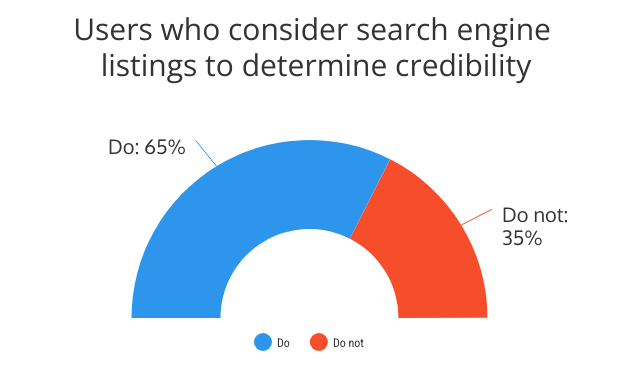
This trust can significantly influence knowledge acquisition, opinion formation, and decision-making processes.
Get a Free Reputation Assessment
Find out what people see when they search for you online. No obligation — results in 24 hours.
Promoting favorable news about a company can shape public perception and impact market trends. Conversely, demoting inaccurate information protects users from harm but also sparks debates about censorship and freedom of information. This dynamic is closely tied to how online reputation management works — for both individuals and organizations.
Key Benefits and Potential Applications
Despite the controversies surrounding it, search engine manipulation offers several benefits and practical applications.
1. Enhanced User Experience
Prioritizing relevant, high-quality content improves user satisfaction and trust. Selective ranking — based on factors like relevance, authority, and engagement — shapes how users consume online information and helps them find credible answers faster.
2. Support for Marketing and Advertising
Search engine manipulation supports marketing and advertising by promoting sponsored content. This allows search engines to generate revenue while giving businesses an effective platform to reach potential customers. Such content is typically labeled “ad” or “sponsored” to maintain transparency.
3. Protection from Harmful Information
Search engines can demote or remove content that spreads misinformation or promotes dangerous behavior. During health crises, for example, prioritizing authoritative guidance from reputable health organizations helps protect public well-being.
Is Your Brand Appearing the Way You Want in Search?
Our team helps businesses and executives take control of their search results through ethical, proven reputation management strategies.
Challenges and Limitations
Search engine manipulation also presents significant challenges that must be carefully managed.
1. Threat to Freedom of Information
Manipulating search results can suppress certain viewpoints, promote biased information, and limit access to diverse perspectives. This hinders critical thinking and distorts public knowledge. Understanding how content suppression works in search results is essential for navigating this landscape responsibly.
2. Potential for Misuse and Abuse
Both search engine providers and content creators can misuse manipulation. Providers may prioritize content that serves their interests or those of influential stakeholders, while creators may use tactics to unfairly boost rankings. These practices undermine the integrity and trustworthiness of search results.
3. Balancing Interests and Commercial Objectives
Search engines must balance revenue generation with their responsibility to provide accurate, unbiased information. Promoting content that aligns with business goals must not compromise the quality or neutrality of search results.
Future Prospects and Implications
Several key factors will shape the future of search engine manipulation.
1. Advancements in AI and Machine Learning
Progress in artificial intelligence and machine learning is enhancing search relevance and precision. Google’s AI Overviews (launched May 2024) and Microsoft Bing’s AI-powered Copilot now generate synthesized answers directly within results, fundamentally changing how information is surfaced. These advancements introduce new challenges, including algorithmic bias, the need for continuous oversight, and ensuring transparency in AI-driven decisions.
This shift is also reshaping disciplines like Generative Engine Optimization (GEO), which focuses on maintaining brand visibility as AI systems increasingly mediate what users see.
2. Regulatory Intervention and Industry Self-Regulation
Governments may implement regulations to ensure transparency and fairness, while the industry can adopt ethical guidelines to promote responsible practices. The EU’s Digital Markets Act (DMA), which came into force in March 2024, directly targets search engine gatekeeping and self-preferencing by major platforms including Google — representing one of the most consequential regulatory interventions in the history of online search.
3. Focus on Key Principles
Transparency, accountability, and user empowerment will be essential for ethically managing search engine manipulation. This includes open disclosure of ranking methodologies, independent audits, and giving users greater control over their search experience.
Ethical Considerations and Guiding Principles
Addressing ethical concerns requires commitment to several core principles.
1. Respecting Autonomy
Users should be fully aware of how search engines curate results and have the ability to make informed choices about their web experiences. Informed consent is a foundational requirement for ethical search practices.

2. Fairness and Non-Discrimination
Search engines must strive for impartiality and non-discrimination in their ranking practices. This means offering balanced information and avoiding favoritism toward any single perspective or interest group.

3. Adherence to Ethical Frameworks
Ethical frameworks and regulations provide a critical foundation for trustworthy search practices. The EU’s GDPR established important guardrails around data use, while the Digital Markets Act — fully applicable as of March 2024 — specifically targets how dominant platforms like Google structure and prioritize search results. Adhering to these frameworks fosters a more user-centric online ecosystem.

Conclusion
The ethical dilemma surrounding search engine manipulation is complex and multifaceted. It offers clear benefits — enhancing user experiences, supporting marketing efforts, and protecting users from harmful information — while also presenting significant challenges and ethical concerns.
Navigating this dilemma requires a balanced, responsible, and user-centric approach. Key priorities include:
- Ongoing dialogue between tech companies, regulators, and users
- Development of ethical practices that safeguard user interests and uphold societal values
- Prioritizing transparency, inclusivity, and fairness in all ranking decisions
By addressing these challenges with diligence and open communication, we can build a search environment that benefits everyone while maintaining the integrity of online information. For those looking to take a proactive approach to their own search presence, running a thorough online reputation audit is a practical first step.
Frequently Asked Questions









Protect Your Online Reputation
Every day you wait, negative content gets stronger. Talk to our experts about a custom strategy for your situation.
Get Your Free Analysis