
Objectivity and Bias When Editing Wikipedia Articles
Bias can undermine even well-intentioned Wikipedia edits — here is how to recognize it and keep your contributions neutral, accurate, and credible.

Bias on Wikipedia is a persistent challenge that can undermine the credibility of articles. This guide identifies six key areas where bias commonly enters Wikipedia writing, including value judgments, emotional language, and loaded language. Practical strategies help editors maintain neutrality by replacing subjective language with verifiable facts and measurable outcomes.
Bias on Wikipedia is a persistent challenge. As a Wikipedia editor, maintaining neutrality and avoiding bias is essential for creating reliable, trustworthy content. This article covers six key areas where bias can enter your writing and offers practical strategies to stay objective.
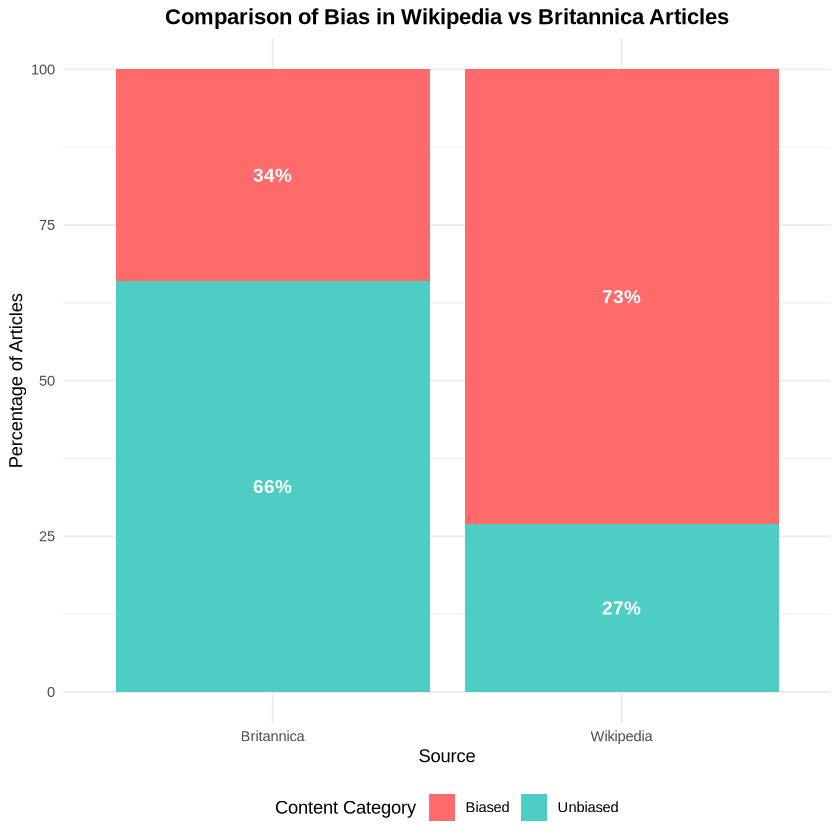
Research suggests that Wikipedia articles may contain more biased language than comparable reference sources — though exact figures vary by methodology and should be interpreted with that context in mind. For a deeper look, see our overview of bias on Wikipedia and how it affects article content.
1. Making Value Judgments
Value judgments can subtly skew the perceived neutrality of your Wikipedia editing. To maintain objectivity:
- Avoid language that implies positive or negative evaluation: Terms like “remarkably” or “unfortunately” suggest a subjective view.
- Focus on facts and objective information: Instead of “a significant achievement,” provide specifics like “This invention reduced fuel consumption by 25%.”
- Use descriptive language instead of evaluative language: Describe actions and outcomes without inserting personal opinions.
Rather than stating “The groundbreaking discovery changed the scientific community forever,” write “The discovery introduced a new method that reduced errors in experiments by 20%.” Always accompany statistics with a citation so readers can verify the claim.
Keeping descriptions rooted in verifiable data maintains a balanced, impartial tone. Presenting impact through quantifiable outcomes — such as “This process cut production time by 30%” — gives readers a factual basis they can trust.
2. Using Emotional or Charged Language
Emotional or charged language creates bias by evoking strong reactions. To maintain Wikipedia neutrality:
- Avoid language that evokes strong emotions: Words like “outrageous” or “heartwarming” can bias the reader.
- Stick to neutral, factual language: Report incidents and achievements calmly and objectively.
- Use specific, concrete examples instead of generalizations: Detail actions and evidence rather than broad statements open to misinterpretation.
In an article about a controversial figure, for instance, describing actions factually — rather than labeling them “appalling” — lets readers form their own opinions based on the presented facts.
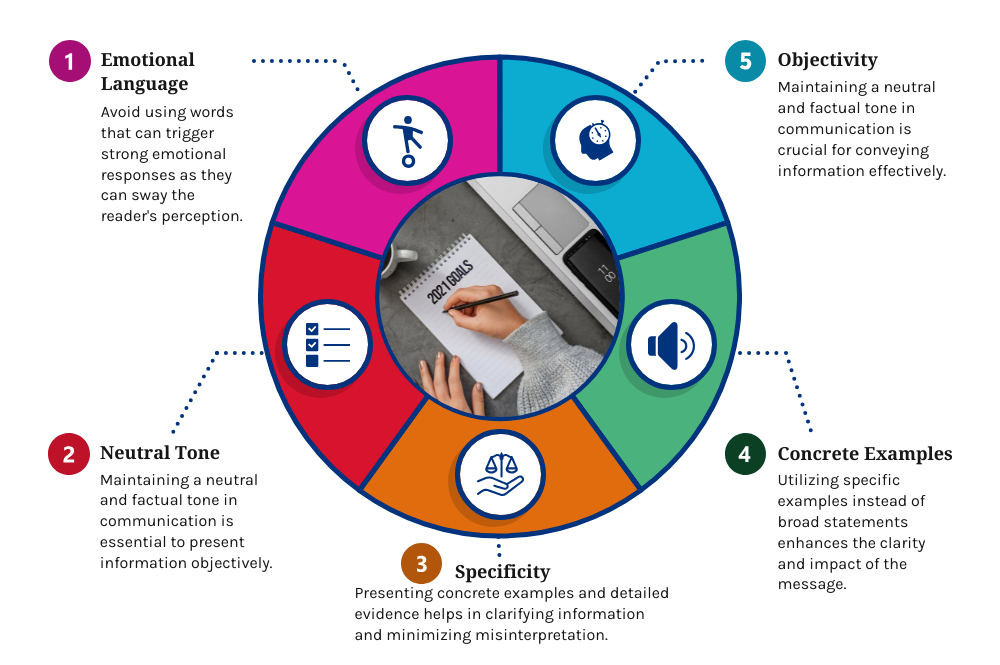
Communication and psychology research consistently shows that emotionally charged language sways readers’ perceptions and introduces bias. Neutral, factual language supports objectivity and empowers readers to form unbiased opinions.
Practical Implications
- Journalists, researchers, and writers: Prioritize neutral language and concrete examples to ensure objective communication.
- Readers: Stay mindful of emotionally charged language and its potential influence on perception.
- In controversial scenarios: Factual reporting with specific examples fosters informed decision-making and reduces misunderstanding.
Instead of labeling a political figure’s actions as “alarming,” describe the specific actions taken and let readers draw their own conclusions. This approach maintains neutrality and encourages critical thinking.
Need Help With Your Wikipedia Presence?
Our team understands Wikipedia's neutrality rules inside and out. We can help you create or improve a Wikipedia article that meets editorial standards and stays up.
3. Using Loaded Language
Loaded language introduces an author’s bias through implicit connotations. To maintain neutrality:
- Avoid language that carries implicit connotations: Words like “regime” versus “government” can influence perception significantly.
- Use neutral, objective language: Ensure chosen words don’t carry unintended meanings.
- Be mindful of cultural and linguistic differences: Certain terms carry different connotations across contexts.
For example, “propagate” can carry negative connotations in some contexts. Using “promote” or “spread” instead keeps the language neutral and universally understood.
Calling a governing body a “regime” evokes negative feelings, whereas “government” remains neutral and descriptive. Words that seem neutral in one language may carry a different implication in another, so opting for universally neutral terms helps your message remain clear and unbiased across diverse audiences.
4. Using Jargon or Technical Language
Jargon can alienate readers who are not experts in a given field. To maintain accessibility:
- Avoid jargon or technical language unfamiliar to general readers: Terms like “synergy” or “blockchain” can confuse without clarification.
- Use plain language: Simpler explanations are more inclusive and make technical content approachable.
- Provide definitions where needed: Explain complex terms to make content accessible to all readers.
Instead of writing “The blockchain uses a decentralized ledger system,” explain: “Blockchain technology distributes records across many computers, making the data more secure.” This approach reaches a broader audience without sacrificing accuracy.
Defining complex terms significantly improves accessibility and reader engagement. By avoiding jargon, your content becomes more inclusive — and more likely to be understood and trusted by a diverse audience.
5. Making Unverifiable Claims
Unverifiable claims undermine the credibility of Wikipedia articles. To maintain reliability:
- Avoid unverifiable or unsupported statements: Ensure all claims trace back to reliable sources.
- Use reliable sources to support your statements: Back up claims with data and reputable references.
- Cite sources appropriately: Provide full citations so readers can verify information independently.
Instead of writing “Research shows,” specify the source — for example, “A study by Harvard University found that [Reference].” This specificity bolsters the article’s credibility and transparency.
Wikipedia’s own verifiability rules make sourcing non-negotiable. Unsourced claims are among the most common reasons content gets removed. Adhering to these guidelines ensures articles remain accurate, reliable, and valuable to readers.
6. Failing to Maintain a Neutral Point of View
Maintaining a neutral point of view is the cornerstone of bias-free Wikipedia editing. To ensure neutrality:
- Avoid biased or partisan stances: Neutrality ensures information is reliable and respected.
- Use fair, balanced, and respectful language: Present differing opinions equitably.
- Reflect the consensus of reliable sources: Align with well-supported viewpoints and fact-check diligently.
When writing about a political figure, rather than saying “The politician was a visionary leader,” a balanced approach presents multiple perspectives: “The politician received praise for their forward-thinking policies while also facing criticism for certain controversial decisions.” This reflects a true consensus from varied, reliable sources.
- Neutrality ensures the reliability and credibility of Wikipedia content.
- Fair, balanced language is essential for presenting differing opinions without favoritism.
- Aligning with source consensus ensures writing represents well-supported, fact-checked viewpoints.
- Present varied perspectives and verifiable facts rather than biased or partisan language.
- This principle is especially critical for biographies of living persons, which are held to the strictest neutrality standards on the platform.
Understanding Wikipedia’s NPOV rules in detail will help you apply this principle consistently across every edit you make.
Frequently Asked Questions







Protect Your Online Reputation
Every day you wait, negative content gets stronger. Talk to our experts about a custom strategy for your situation.
Get Your Free Analysis