
How to Control How You’re Seen Online: A Compact Guide
Your online reputation shapes how the world sees you — here is how to take control of it before someone else does.


- Google yourself regularly — less than 1% of searchers click past the first page of results.
- Respond to both positive and negative reviews quickly to build loyalty and prevent escalation.
- Keep social media profiles current; 85% of businesses use them in their recruiting process.
- Use SEO strategies to ensure positive content outranks negative mentions in search results.
- For content you cannot remove directly, contact platform administrators or consult legal counsel.
Online reputation management (ORM) is the practice of monitoring and shaping how you or your business appears across search engines, social media, and review sites. This guide covers how to audit your digital presence, build a positive image, and use the right tools to protect your reputation over time. With 49% of consumers trusting online reviews as much as personal recommendations, managing your digital footprint is no longer optional.
How to Control How You're Seen Online
-
1
Understand what online reputation management means
Online Reputation Management (ORM) is the strategic process of monitoring, influencing, and controlling how a person or business appears on digital platforms. It covers search engines, social media, review sites, and forums. The primary goal is to cultivate a positive public perception by amplifying favorable content and addressing negative feedback quickly.
-
2
Conduct a Google self-search
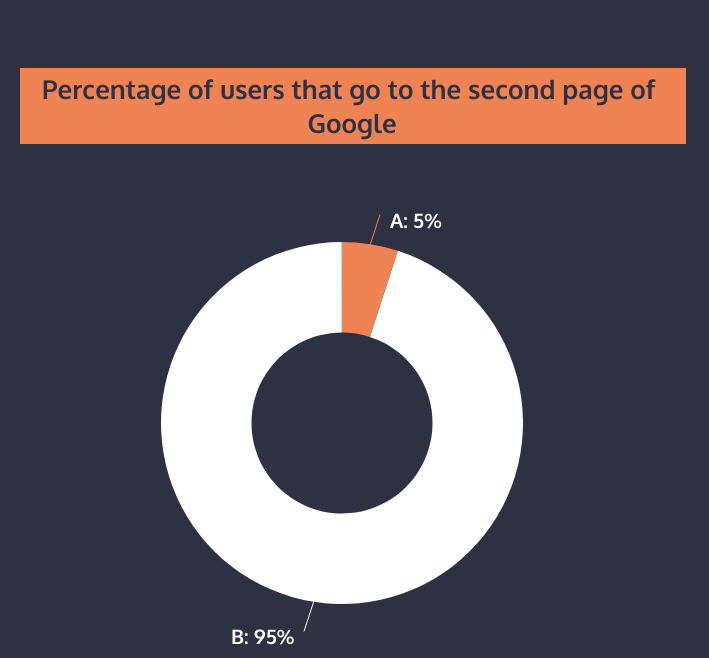
Search your name or business name on Google to see what information is publicly available and how you appear in results. Pay close attention to the first page, since less than 1% of searchers click through to the second page. What appears at the top of search results is effectively your public reputation.
-
3
Review and update your social media profiles
Examine all your social media accounts to ensure profile pictures, bios, and posted content reflect your current professional and personal stance. Regular updates on platforms like LinkedIn, X, and Facebook improve positive visibility. Consistency across platforms strengthens brand recognition and trust.
-
4
Identify and address negative content
If you control the negative content, update or remove it directly. For content on platforms you do not control, contact site administrators or seek legal advice to request removal. Promoting positive content strategically can also suppress negative mentions in search rankings before they become entrenched.
-
5
Create authoritative, positive content
Publish well-researched articles and blog posts that establish you or your business as a thought leader in your field. Focus on topics where you have genuine expertise, since search engines and readers reward authenticity. Enrich content with infographics and relevant images to increase engagement and reach.
-
6
Develop a consistent social media strategy
Use platforms like Facebook, X, and LinkedIn to share content that reflects your brand's values and expertise. Maintain a consistent tone and visual style across all platforms to build recognition and audience trust. A disciplined, regular posting schedule keeps your presence active and visible.
-
7
Engage actively with your audience
Respond to comments, reviews, and feedback — both positive and negative — in a timely and professional manner. Addressing complaints quickly enhances customer loyalty and prevents small issues from escalating into larger reputation problems. Proactive engagement signals to your audience that you are transparent and trustworthy.
-
8
Use the right tools to monitor your reputation
Effective reputation management depends on having the right tools to monitor online mentions, analyze sentiment, and respond to emerging issues. Set up alerts and tracking systems so you are notified when your name or brand is mentioned across the web. Continuous monitoring allows you to stay ahead of potential problems rather than reacting after damage is done.
Online reputation is like a credit report everyone can see.
Whether you are a movie star or an investment banker, your online reputation determines how others perceive you. Everybody can — and should — manage their online reputation to ensure it accurately represents who they are.
This guide covers the essentials of controlling your online reputation: auditing your digital presence, building a positive image, and using the right tools to protect it over time.
Article Contents
- What Is Online Reputation Management?
- Auditing Your Online Presence
- Building and Maintaining a Positive Online Reputation
- Utilizing Tools for Reputation Management
- Proactive Measures and Continuous Improvement
What Is Online Reputation Management?
Definition and Importance
Online Reputation Management (ORM) is the strategic process of monitoring, influencing, and controlling how a person or business appears on digital platforms. It encompasses managing content across search engines, social media, review sites, and forums.
The primary goal of ORM is to cultivate a positive public perception — amplifying favorable content and addressing negative feedback quickly. Learn more in our complete guide to online reputation management.
According to BrightLocal’s 2024 Local Consumer Review Survey, 49% of consumers trust online reviews as much as personal recommendations from friends and family — a clear reminder of how much your digital reputation shapes real-world decisions.
Get a Free Reputation Assessment
Find out what people see when they search for you online. No obligation — results in 24 hours.
of consumers trust online reviews as much as personal recommendations from friends and family
BrightLocal 2024 Local Consumer Review Survey
Key Components of Online Reputation
A strong online reputation rests on three pillars: proactive engagement with customer feedback, strategic content management, and continuous monitoring of online mentions.
“All you have in business is your reputation, so it’s very important that you keep your word.”
— Richard Branson
Businesses must actively manage their digital presence by responding to reviews — both positive and negative — and keeping content current and accurate. Addressing complaints quickly enhances customer loyalty and prevents small issues from escalating.
Effective search engine optimization (SEO) also plays a critical role, ensuring that positive narratives rank higher and shape how your brand is perceived online.
Auditing Your Online Presence
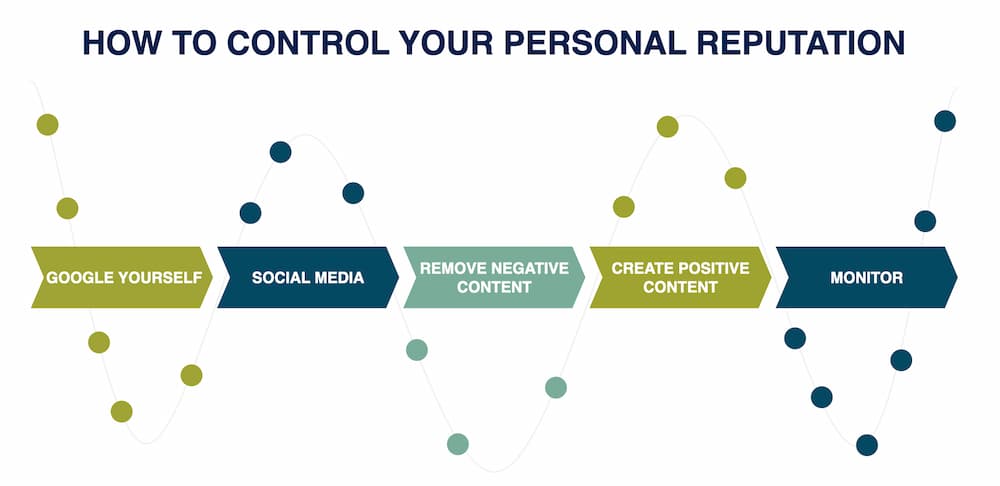
When it comes to managing your digital footprint, conducting regular audits of your online presence is essential. Here are the key actions to take:
According to Pew Research, approximately 67% of U.S. adults have searched for information about themselves online.
- Conducting a Google Self-Search
- Start by searching your name or your business’s name on Google. This shows what information is publicly available and how you appear in search results. Pay close attention to the first page — data from Backlinko suggests that less than 1% of Google searchers click through to the second page of results.
- Reviewing Social Media Profiles
- Examine your social media accounts thoroughly. Ensure that profile pictures, bios, and content reflect your current professional and personal stance. Regular updates on platforms like LinkedIn, X (formerly Twitter), and Facebook improve positive visibility. 85% of businesses use social media in their recruiting process, and LinkedIn is widely regarded as the most effective platform for finding qualified candidates.
- Identifying and Addressing Negative Content
- Removing negative online content can be challenging, but there are steps you can take. If you control the content, update or remove it directly. For content on platforms you do not control, consider contacting administrators or seeking legal advice to request removal. Promoting positive content can also suppress negative mentions in search rankings. Our guide on how to remove negative content from Google search results walks through the key tactics in detail.
By systematically addressing each of these areas, you can significantly improve how you are perceived online. Engaging a professional service like Reputation X can provide deeper insights and more effective strategies tailored to your specific needs.
Take Control of Your Online Reputation
Reputation X helps individuals and businesses audit, build, and protect their digital presence. Let's talk about what's possible.
Building and Maintaining a Positive Online Reputation
To build and maintain a positive online reputation, focus on creating engaging content, developing a social media strategy, and actively engaging with your audience. These elements form the backbone of a strong online reputation management strategy.
Creating Positive Content
Content remains king. A well-curated blog enhances brand awareness and establishes your company as a thought leader. Regularly publishing well-researched articles builds a positive brand reputation organically. Enrich articles with infographics and relevant images to engage readers more effectively.
Social Media Strategy
A dynamic social media strategy is vital for maintaining visibility and interaction. Platforms like Facebook, X (formerly Twitter), and LinkedIn allow businesses to connect with their audience and share content that reflects the brand’s values and expertise. Maintain a consistent tone and visual style across all platforms to strengthen brand recognition and trust.
Engagement with Your Audience
Responding to comments and reviews shows that your business values customer feedback. Whether addressing positive or negative feedback, timely and respectful responses can prevent issues from escalating and can turn a dissatisfied customer into a brand advocate. For a deeper look at how reviews shape perception, see our guide on analyzing online reviews and feedback to improve reputation.
Utilizing Tools for Reputation Management
Effective reputation management depends on the right tools to monitor, analyze, and respond to online mentions. Here is how to leverage technology to protect and enhance your online presence.
Software Solutions
Platforms like Brandwatch and Mention offer robust social listening and analytics capabilities. These tools monitor a wide range of online channels and provide advanced features for sentiment analysis and trend detection. For individuals focused on personal branding and SEO, tools like Semrush and BrandYourself — which now operates primarily as a managed service — are worth exploring. See our roundup of the top online sentiment monitoring platforms for a broader comparison.
Setting Up Monitoring Alerts
Google Alerts is a straightforward yet powerful way to start monitoring your online reputation. Enter keywords related to your name or brand to receive notifications whenever they are mentioned online. Customize alert settings to control frequency and sources, ensuring you capture the most relevant information.
Analyzing Feedback and Adjusting Strategies
Regularly analyze feedback from various channels to gauge public sentiment. Tools like Google Analytics 4 (GA4) and CRM systems offer insights into customer behavior and satisfaction, helping you refine your approach. Pay attention to both positive and negative feedback, and use that data to improve overall customer engagement.
Proactive Measures and Continuous Improvement
Staying Ahead of Potential Issues
Proactive reputation management means anticipating risks before they escalate. By monitoring online conversations and industry trends, businesses can identify and address threats early. Tools like Google Alerts and social listening platforms such as Mention enable companies to track brand mentions and gauge public sentiment. Understanding the difference between proactive and reactive reputation management can help you decide where to focus your efforts.
Regular Review and Update of Online Profiles
Maintaining updated online profiles is essential for a positive online presence. Regular audits of social media accounts, websites, and third-party review sites ensure all information reflects the current state of the business. This also involves optimizing content with relevant keywords to improve search engine rankings and keep positive narratives visible.
Engaging in Community and Charitable Activities
Participating in community and charitable events can significantly enhance a company’s reputation. Hosting or sponsoring local events demonstrates a commitment to community values. Online, sharing content that showcases charitable efforts can inspire customer loyalty and attract clients who value corporate responsibility.
Frequently Asked Questions









Protect Your Online Reputation
Every day you wait, negative content gets stronger. Talk to our experts about a custom strategy for your situation.
Get Your Free Analysis