
Corporate Reputation – Benefits – Market Value and Trust
Discover why corporate reputation shapes market value, investor confidence, and revenue — and what business leaders must understand before building a strategy.

- 70-80% of a company's market value comes from intangible assets like brand equity and goodwill.
- Each one-star increase on Yelp correlates with a 5-9% jump in revenue, per Harvard research.
- 91% of consumers trust online reviews as much as personal recommendations.
- A bad reputation raises hiring costs by at least 10% and deters 71% of job applicants.
- Every stakeholder — customers, recruits, investors, and partners — relies on your reputation to decide whether to engage.
Corporate reputation is the impression held by everyone who interacts with your business — from customers and job seekers to investors and community leaders. A strong online reputation directly drives higher market value, increased revenue, and better hiring outcomes. Understanding these benefits is essential before building any reputation management strategy.
Ask any business executive if they think having a good corporate reputation is important and the answer will be an obvious ‘yes’. But ask them what’s involved with having a good online reputation, maintaining one, or even what a good online reputation entails, and many will stumble trying to define a clear answer. It’s important to understand the ‘what’ and ‘why’ before setting up a reputation management plan. First, let’s start with the basics.
What is corporate reputation?
Corporate reputation is the impression that significant people have about your business. The word ‘significant’ may lead you to think of potential customers or clients, but that pool of people is much larger. It includes every potential relationship your business has.
This means the best job candidates can pick and choose where they want to work. It means investors when you’re ready to grow your business to the next level. It means the community leaders in the next city that are perfect for expanding your empire.
Every human being and business that will interact with your company is significant and will, at some point, rely on your company’s reputation to decide whether or not to work with you.
What are the benefits of an excellent corporate reputation?
All economic decisions – whether by companies or consumers – involve opinions shaped by emotions and facts, and your online reputation can shape those opinions. A bad reputation sends companies or consumers elsewhere. A good reputation has tremendous benefits, not the least of which are higher market value, increased revenue, and better employees.
Get a Free Reputation Assessment
Find out what people see when they search for you online. No obligation — results in 24 hours.
Higher corporate market value
The internet has been a tremendous boon to modern businesses and the people that want to interact with them. It has become the main source for people to form an opinion of your company and its value in the marketplace. The opportunity to grow a positive corporate image and reputation online can be vital to your corporation’s value and success. The Harvard Business Review found that 70 to 80% of a company’s market value comes from fuzzy metrics like brand equity or societal goodwill.
Good reviews increase sales and revenue
Online reviews are a pillar of doing business today. Whether shopping for a good phone, restaurant, or lawyer, people use reviews to find the best of their needs.
A study from Michael Luca at Harvard showed that for every increase of one star in a rating on Yelp, a business will see a 5-9% jump in revenue.
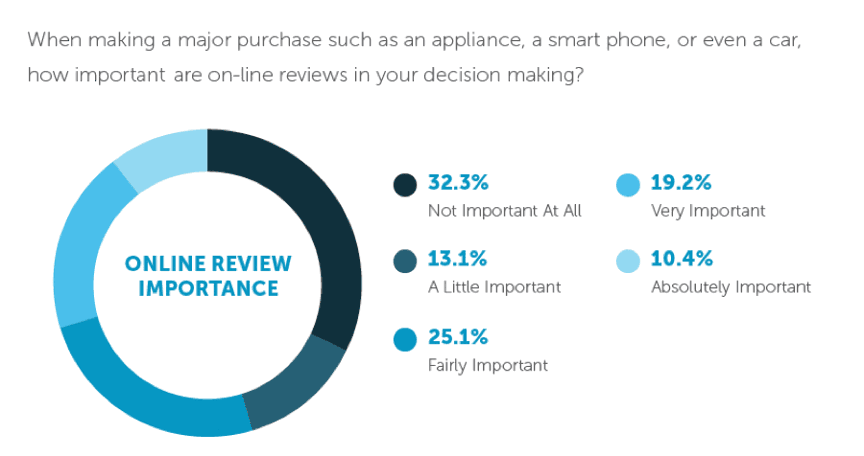
A study published by Moz investigating the impact online reviews have on buying decisions found that two-thirds of people consider online reviews important when deciding whether or not to purchase a company’s product or service.
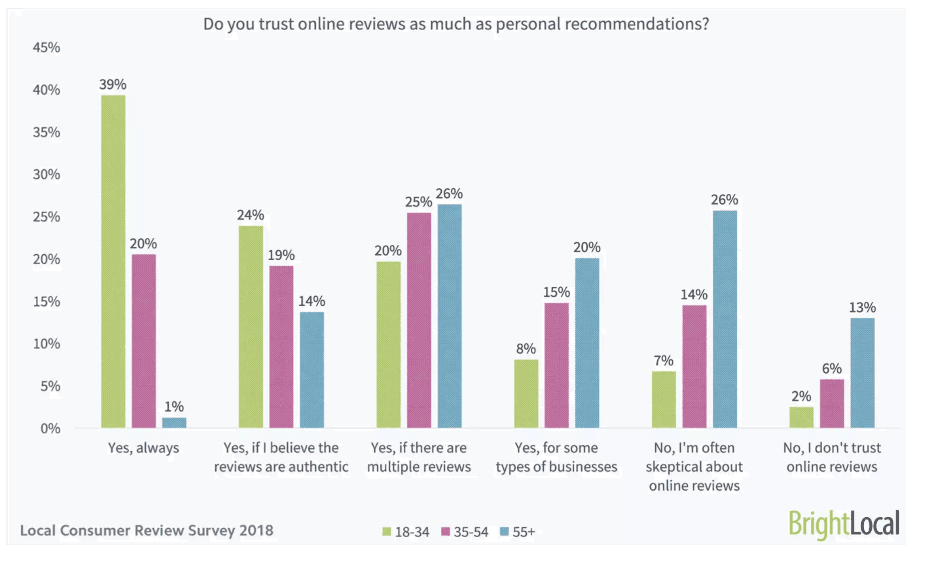
In today’s business landscape, online reviews are just as important as word-of-mouth. BrightLocal’s most recent Local Consumer Review Survey showed that 49% of consumers trust online reviews as much as they do personal ones. This is especially true of that crucial 18- to 34-year-old demographic.
A positive reputation not only helps your corporation’s image and goodwill in your sector, but it also has a direct impact on your company’s bottom line. A study from Michael Luca at Harvard showed that for every increase of one star in a rating on Yelp, a business will see a 5-9% jump in revenue.
Higher-quality recruits and employees
Job seekers rely on a company’s online reputation when making application decisions. It’s one of the most important factors when recruits evaluate a potential workplace. A good reputation makes it easier for you to recruit top applicants. That translates into a lower hiring cost and a higher quality workforce. On the other hand, a bad reputation can cost your company more money with each hire (at least 10% more, according to the Harvard Business Review). A Career Builder survey found that 71% of workers would not apply to a company with negative publicity.
Bad corporate reputation damages your business
Many companies have felt the effects of bad publicity on their bottom line. Customers, investors, and prospective employees lose trust in the company. Sales fall. Brand equity is diminished in the public’s eyes. Unless properly managed, small disasters can easily snowball, bringing a company down fast.
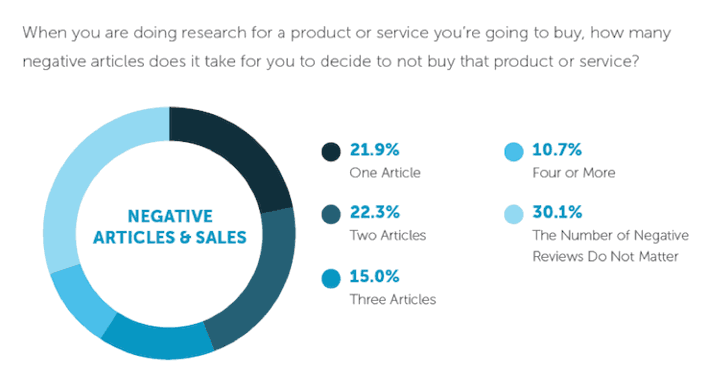
Bad publicity used to mean negative newspaper articles. While this still occurs, today much of the greatest danger to a corporation’s reputation can come from negative postings on social media and negative reviews online. Moz’s study found that just one negative article on the first page of a search result can lose you 22% of your potential customers. Two negative reviews more than doubles that percentage, and if you have four or more you risk losing 70% of your potential business. Put bluntly, a bad online reputation for your company means lost revenue.
How can you ruin a business’s reputation?
Intentional wrongdoing
Always do good business. It sounds obvious, but the easiest road to a bad corporate reputation is to cut corners, break laws, or otherwise act unethically. History is littered with examples of this, from Enron to Lehman Brothers.
Treating employees poorly
Customers care about how a company treats its people. Recent press on Amazon’s labor practices is painting them in a terrible light. Will this bankrupt the company? Probably not, but the idea of Amazon being a sweatshop is sealed in the public’s mind.
Bad CEO image
A study from PR firm Weber Shandwick states that 81% of executives see public engagement as crucial for a company’s reputation. The era of a CEO being a faceless entity is long gone. Those executives are now the human face of the company, so if they deliver an off-brand message, the consequences are huge. Look at the cautionary tales but aspire to the success stories.
How do you build a good reputation?
Define yourself
A company is only as good as its leadership. Before tackling the entire machine, start with your own personal business brand. What is the image you want to project as a company leader? Remember that this doesn’t just mean putting a pretty picture of yourself out there for the world to see. It’s an opportunity to fill a leadership void in your industry. People like Steve Jobs became more than a software company CEO. He was seen as someone to listen to regarding technology, innovation, and industry direction.
Treat your employees well
People remember when they hear about a great place to work (think Zappos), even if they’re not on the job market. A study published in the International Journal of Hospitality Management found that hotel employees’ reviews on Glassdoor affected customers’ perception of the business. You don’t want your company to end up on the list of worst companies to work for.
Make a plan
Be proactive and decide what you want the world to think of when they see your company name. Understand that you are responsible for constructing, maintaining, and fixing your online reputation 24/7. This is where professionals can help you create an online reputation strategy that is realistic but effective for your company.
Maintain it
A good reputation is a full-time job. This doesn’t just mean responding to criticism but actively strengthening your online brand so that your company is more resilient in the face of any crisis. This means sticking to your plan, being honest and transparent in your public communication (especially when things have gone wrong), and putting your wins out there for the world to see.
Frequently Asked Questions








Protect Your Online Reputation
Every day you wait, negative content gets stronger. Talk to our experts about a custom strategy for your situation.
Get Your Free Analysis