
Eight Great Examples of Truly Excellent Content Marketing
These eight real-world content marketing wins reveal exactly what separates brands that grow through content from those that get ignored.


- Focus content on your audience's real problems, not your products, to build lasting brand loyalty.
- User-generated content and local storytelling can deepen community engagement and brand resilience.
- Positioning your brand around a lifestyle or value system gives your content a consistent, authentic identity.
- Quality blog content directly influences purchase decisions, making it a high-ROI long-term investment.
- Over 70% of B2B marketers use content marketing — making it a competitive necessity, not just an option.
Content marketing builds brand trust by delivering valuable, audience-focused content rather than direct promotion. This article examines eight real-world examples — including American Express, Airbnb, and Whole Foods — to show what effective content marketing looks like in practice. The examples demonstrate that consistent, relevant content generates leads at lower cost than outbound marketing and drives long-term business growth.
American Express Business Class
Content Hub / Community PlatformAmerican Express built a website dedicated to the U.S. small business community, shifting editorial focus toward what genuinely helps their customer base rather than promoting their own products. Launched in 2007, the platform reached a million monthly visitors and over 11,000 new small business subscribers by 2010. It remains a trusted resource for small businesses seeking advice and connection.
Airbnb Travel Guidebooks and User-Generated Guides
Content Strategy / StorytellingAirbnb's content strategy pairs high-quality travel guidebooks with locals' advice to help travelers make the most of every destination. Storytelling is the cornerstone of their approach, giving travelers an authentic local experience through in-depth, emotionally engaging content. This strategy contributed to their resilience during the pandemic and record revenues through 2023 and 2024.
Whole Foods Whole Story Blog
Blog / Content MarketingWhole Foods positions itself as a healthy lifestyle brand through content marketing that includes healthy living tips, recipe videos, and practical guidance. Their Healthy Eating menu serves as a resource for both new and returning readers, while contests and giveaways drive strong engagement. Their social channels humanize the brand with friendly, thoughtful responses.
Direct Advice for Dads
Content Portal / CampaignCreated by content marketing agency Mahlab Media for Australian private health insurer HBF, this parenting portal targets an underserved audience of soon-to-be and current fathers. The project spent a year in planning and research before launch, identifying the content, format, and style that resonated most with their readers. Within four years, the campaign gained over 75,000 Facebook followers and earned international recognition and awards.
Denny's Social Media Humor Campaign
Social Media CampaignAfter years of bad press, Denny's rethought their marketing strategy in 2011 to recapture the warm, familiar diner feeling the brand is known for using humor-driven content. Their social channels filled with silly memes, cartoons, and offbeat posts that helped ignite the brand's biggest traffic growth in a decade. Originally gaining traction on Tumblr and Instagram, the campaign has since shifted focus to X and TikTok.
Cisco My Networked Life Video Series
Video Content SeriesCisco ran a successful video series called My Networked Life featuring young professionals from around the globe sharing how they use technology to achieve their goals. The series was part of Cisco's broader content marketing and social media strategy in the networking hardware industry. It helped demonstrate the brand's relevance to a younger, globally connected audience.
Cisco The Network Content Hub
Content Hub / PlatformThe Network is Cisco's main content hub and the primary driver of their audience growth through content marketing. Cisco used the launch of their Aggregated Services Router as a case study to quantify the ROI of their social media strategy, revealing savings of more than $100,000 on that single product launch. It stands as a landmark early example of measuring social media ROI.
Content marketing is a marketing strategy focused on creating and distributing valuable, relevant, and consistent content to attract and retain a target audience. The keywords here are “valuable” and “relevant.” Each content piece should communicate your message in a way that adds value to your readers, answers their real questions, piques their interests, and builds trust in your brand.
The final goal of content marketing is to convince readers and eventually turn them into buyers — but that is the desired outcome, not the initial intention. Content marketing proves consistently profitable for businesses of all sizes promoting themselves online. Research shows that blog content plays a significant role in purchase decisions, with consumers regularly turning to online content to research products before buying.
Over 70% of B2B marketers actively use content marketing, according to the Content Marketing Institute’s most recent annual report. Compared to outbound marketing, well-planned, quality content consistently generates more leads at a lower cost — making it one of the most efficient long-term investments a brand can make.
If you’re still on the fence about content marketing, the following eight examples show how real companies used content to reach and expand their audiences — and why their strategies worked.
American Express: Building a Small Business Community
Business Class, American Express’ website dedicated to the U.S. small business community, is one of the greatest success stories in content marketing.
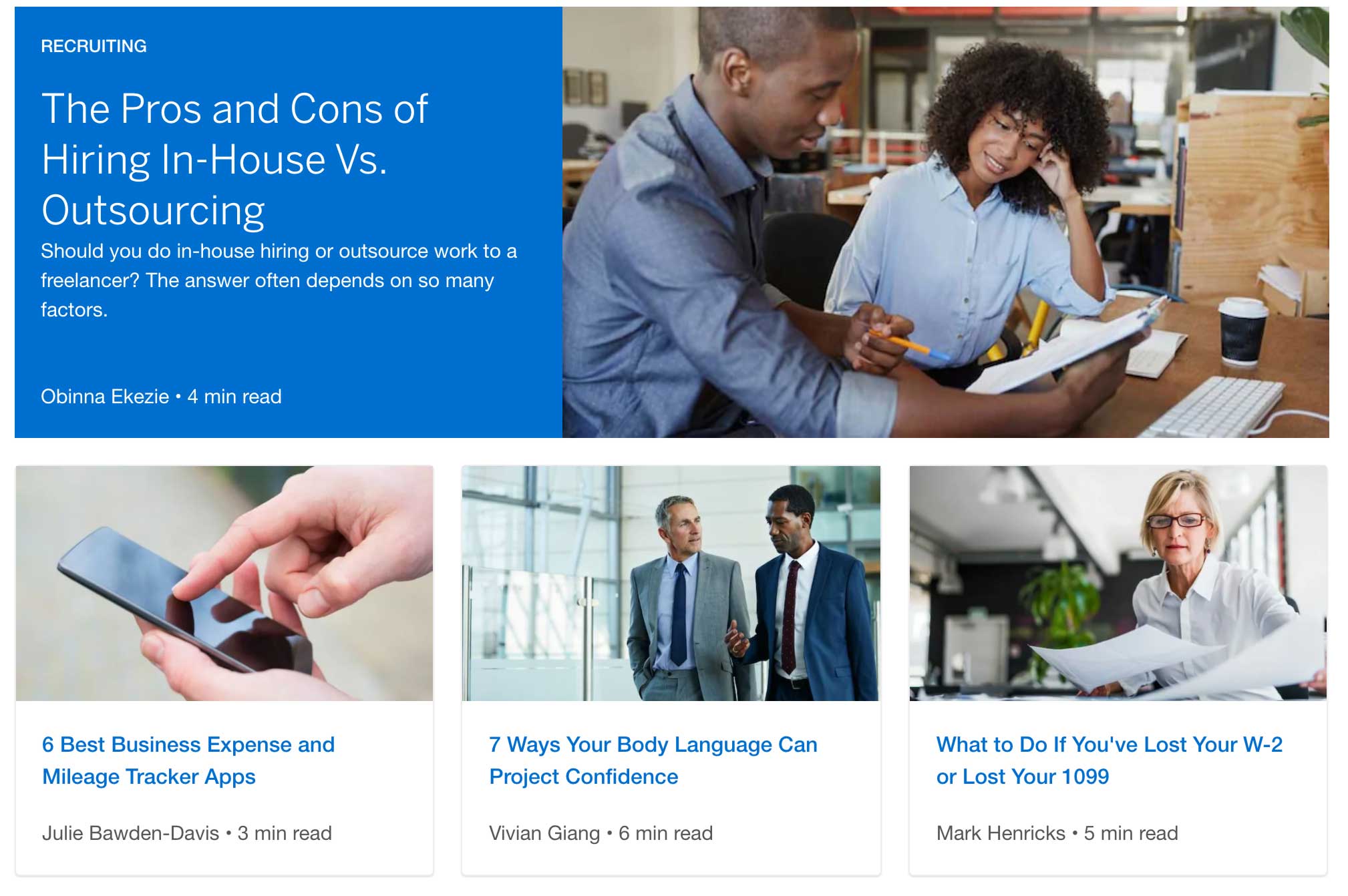
It all started in 2007. Recognizing its position as a leading payment card provider for U.S. small businesses, Amex shifted its editorial focus toward what genuinely helps its customer base. Marketers created quality content on topics readers care about — less about cards and products, more about what helps the community thrive.
By 2010, the platform had reached a million monthly visitors and over 11,000 new small business subscribers. The community continued to grow and remains a trusted resource for small businesses seeking advice and connection.
Get a Free Reputation Assessment
Find out what people see when they search for you online. No obligation — results in 24 hours.
Airbnb: Storytelling and the Local Experience
Despite the turbulence of the pandemic years, Airbnb emerged stronger than ever — going public in December 2020 and reporting record revenues through 2023 and 2024. A big part of that resilience comes down to their content marketing strategy. Their travel guidebooks and user-generated guides pair high-quality content with locals’ advice to help travelers make the most of every destination.
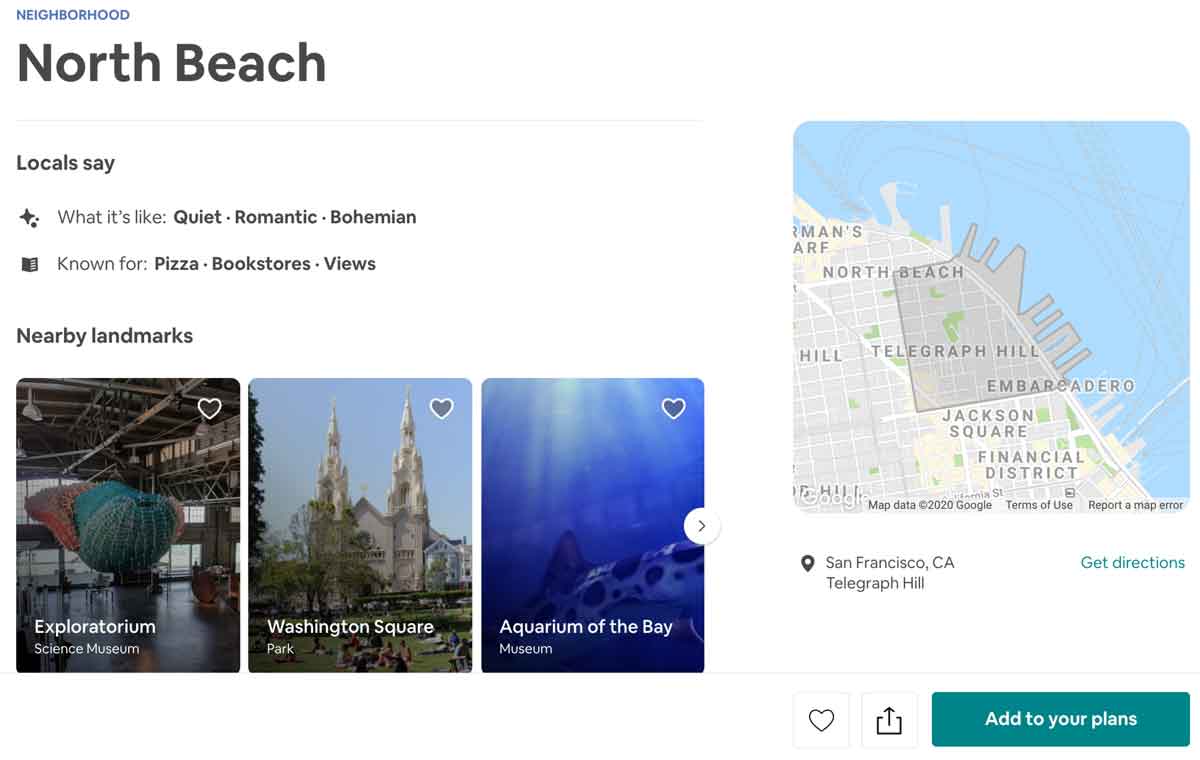
Storytelling is the greatest strength of Airbnb’s content strategy. The website and app give travelers a chance to feel the local experience of the places they visit, while sharing in-depth information for those who want to know more. It triggers genuine excitement by presenting destinations in their authentic beauty.
Today, Airbnb operates as a multibillion-dollar business with over 7 million listings across more than 220 countries and regions. Maintaining their brand community remains their highest priority.
Whole Foods and Direct Advice for Dads
Whole Foods: Healthy Living as a Content Strategy
What sets Whole Foods apart from other supermarket chains is how they’ve positioned themselves as a healthy lifestyle choice. Their content marketing reflects that identity at every level. Their honest desire to help their audience embrace healthier living comes through clearly in everything they publish.
Whole Foods’ Whole Story blog features healthy living tips, recipe videos, and practical guidance that makes healthy choices easier and less complicated. Their Healthy Eating menu offers content that both new and returning readers can use as a resource or fact-checker. They also host contests and giveaways that drive strong engagement, while the people behind their social channels humanize the brand with friendly, thoughtful responses.
Direct Advice for Dads: Serving an Underserved Audience
The popular parenting portal dedicated to “the other parent” is a strong example of how thorough early-stage research drives content marketing success. Direct Advice for Dads was created by content marketing agency Mahlab Media for Australian private health insurer HBF. The goal was to reach young families — not through typical health content, but by filling an underserved gap: soon-to-be dads and men who are already fathers.
The project spent a year in planning and research before launch. The team identified the content, format, and style that resonated most with their readers, and made sure mothers were included, knowing they would share the content with partners and friends. Within its first four years, the campaign gained over 75,000 Facebook followers and earned international recognition and awards.
The website features personal, first-person stories from real men facing fatherhood with brutal honesty — confronting the emotions, concerns, and fears that come with the role. While mothers are often over-served with parenting content, fathers are frequently overlooked. Direct Advice for Dads changed that.
Content That Builds Your Reputation
Great content marketing does more than drive traffic — it shapes how your brand is perceived online. Let RepX help you develop a content strategy that strengthens your reputation and builds lasting trust.
Denny’s Restaurant: Humor as a Brand Strategy
Denny’s social media presence is a standout example of content marketing built on deep audience research. After years of bad press and lawsuits, Denny’s rethought their marketing strategy in 2011 to recapture the warm, familiar “diner feeling” the brand is known for. The result was a campaign that breaks conventional rules — no educational content, no aspirational imagery, just pure humor.
Their social channels filled with silly memes, cartoons, and offbeat posts that many would consider childish. Yet this approach helped ignite the brand’s biggest traffic growth in a decade. The campaign originally gained traction on Tumblr and Instagram, but Denny’s has since shifted its focus to X (formerly Twitter) and TikTok, where their irreverent humor reaches an even wider audience.
As their former chief brand officer Frances Allen once said, “It all starts with understanding your brand DNA at its core and the role you play in your customers’ lives. You have to know why you matter to them.”
Cisco: Measuring Social Media ROI
Cisco is a top brand in the networking hardware industry and has long used content marketing and social media to strong effect. They ran a successful video series called My Networked Life, featuring young professionals from around the globe sharing how they use technology to achieve their goals. The Network, their main content hub, drives most of their audience growth.
When Cisco launched their Aggregated Services Router, the marketing team used the product launch as a case study to quantify the ROI of their social media strategy. The results surprised executives — social media marketing saved them more than $100,000 on that single launch. In a landmark early example of social ROI measurement, Cisco’s Social Media Listening Center reported a 281% ROI over five months, amounting to an annual cost-benefit of over $1.5 billion. After that, social networking became part of every product launch at the company.
You can’t improve what you don’t measure. Cisco’s example shows how one well-measured campaign can change the course of everything that follows. This principle applies equally to online reputation management, where tracking sentiment and search visibility is just as critical as tracking content performance.
The New York Times: Virtual Reality Meets Print
The 173-year-old newspaper giant ran the NYTVR campaign in 2015 in collaboration with Google — a bold move that combined traditional print with the then-emerging technology of virtual reality. While this example is now nearly a decade old, it remains one of the most creative content marketing campaigns in recent memory.
Alongside their newspaper, over a million subscribers received a Google Cardboard headset in the mail. The device — though discontinued by Google in 2021 — was at the time an ingenious way to bring immersive storytelling directly into readers’ hands. Users could experience the VR app and step inside their favorite stories, from walking on a distant planet to standing alongside journalists in the field. Readers without a headset could download the free app and watch 360-degree videos on their screens.
Nike: Customer Support as Content
Nike is one of the most active brands online, with hundreds of social media accounts spanning products and regions. Their content marketing and social media presence are consistently strong. Here, one strategy stands out: the way Nike runs customer support.
Nike maintains a dedicated handle on X (formerly Twitter) — @NikeSupport — solely for customer interaction. They respond quickly, with thoughtful and genuinely helpful answers, often delivered in a playful tone. They proactively invite followers to reach out if they need help. This approach makes the brand feel approachable and human — and it’s one reason Nike is nearly synonymous with sport worldwide.
Nike’s approach to customer support as content is a masterclass in reputation marketing. Every public interaction becomes a visible signal of brand values, shaping perception just as powerfully as any campaign — and directly influencing the long-term benefits of a strong reputation.
What These Content Marketing Examples Have in Common
Some of the companies featured here are established global brands; others started as newcomers. What they share is a clear understanding of the true value of unique, audience-focused content. Each one invested in knowing their audience deeply, then created content people want to share — whether because it is useful, funny, newsworthy, or personally resonant.
Content marketing and corporate reputation strategy are more intertwined than many brands realize. The content you publish consistently shapes how your audience perceives your values, expertise, and trustworthiness — making it one of the most powerful tools in your proactive reputation management toolkit.
Use these examples as inspiration. Learn from their success stories, apply the principles that fit your brand, and set yourself ahead of the competition.
Frequently Asked Questions








Protect Your Online Reputation
Every day you wait, negative content gets stronger. Talk to our experts about a custom strategy for your situation.
Get Your Free Analysis