
Easy Ways to Improve Online Reputation Related Content
Publishing great content is only half the battle — here is how to systematically promote it across social media and syndication networks for lasting visibility.

Publishing great content is only the first step — consistent promotion through social scheduling and syndication is what drives lasting traffic. This article outlines a repeatable posting schedule for social media and explains how platforms like BlogEngage, Outbrain, and Medium can extend your content's reach. These tactics are especially valuable as part of a broader SEO reputation management strategy.
How to Promote Content and Improve Your Online Reputation
-
1
Schedule social media outreach
Once your post is published, share it on Facebook, X, Instagram, Threads, and LinkedIn using relevant hashtags. Repost the same article four hours after publishing, then every 12 hours for three days, using different headlines and hashtags each time. Continue posting once per week for three months to maximize reach over time.
-
2
Automate recurring social reposts
Use tools like Meta Business Suite, Buffer, or Later to schedule your repost sequence without manual effort. If you use WordPress, the Revive Social plugin can automatically reshare older posts across multiple platforms on an ongoing basis. Vary your headlines and hashtags each time to reach different audience segments and improve click-through rates.
-
3
Syndicate content via BlogEngage
Sign up at BlogEngage and provide your blog URL and RSS feed so every new post is automatically syndicated to their platform. Be aware that BlogEngage requires a six-month minimum commitment and charges an additional fee for home page featuring. Verify the platform's current activity level before committing to ensure it fits your strategy.
-
4
Run a paid campaign on Outbrain
Create an Outbrain campaign by setting a start date, end date, and a Cost Per Click bid to drive traffic to your content through their discovery network. Set strict daily spend caps and monitor cost-per-conversion weekly rather than relying solely on click volume. Check Outbrain's current offerings before launching, as the platform has been evolving following its 2024 merger with Teads.
-
5
Import posts to Medium
Create a Medium account and use its import feature to republish blog posts directly from your existing site. Keep in mind that Medium links are NoFollow, so they carry no direct SEO value, but the platform offers solid search visibility and meaningful brand awareness. For beginners, Medium's low learning curve makes it a practical and low-effort syndication starting point.
-
6
List your blog on BlogCatalog
Register your blog on BlogCatalog to gain exposure in their social blog directory and connect with other bloggers. An upgraded membership costs $200 per year and can drive additional traffic, though all links are NoFollow and provide no SEO benefit. Confirm the platform is still active before investing time or money into it.
-
7
Submit content to BizSugar
Share your posts on BizSugar, where community members vote to elevate the best content to the home page for greater visibility. Unlike BlogCatalog, BizSugar links are followed by search engines, meaning they contribute real SEO value to your site. Check current engagement levels on the platform before making it a priority, as community activity has slowed since its acquisition by Small Business Trends.
-
8
Perform targeted email outreach
Identify blogs that cover topics similar to yours and send personalized emails explaining how your content could benefit their readers. If they find it valuable, they may link to your post from their site, earning you an inbound link that boosts SEO. This approach pairs naturally with digital PR efforts, where earned media placements and content links reinforce each other.
You’ve written great content, now what do you do? Just post it and pray for traffic? That’s not good enough. Instead, schedule multiple social postings and then syndicate your content. This article covers how to promote content through social scheduling and syndication. If you’re doing this as part of a broader SEO reputation management strategy, consistent content promotion is one of the most effective levers you can pull.
Schedule Social Media Outreach
Once the post is published, spread the word on social media as you normally would. This includes Facebook, “X”, Instagram, Threads, and LinkedIn if appropriate. Hashtag best practices have evolved considerably across platforms – Instagram and LinkedIn in particular have changed how their algorithms handle hashtags, so research current guidance before you post.
If using a content management system like HubSpot, social publishing can happen automatically when a blog post goes live. However, automatic posts rarely include hashtags, so some manual work is still required.
Set up a schedule to repost the article according to this sequence:
- Post to social media when published as usual.
- Then, schedule the same post for four hours later. Tools like Meta Business Suite, Buffer, and Later make this straightforward.
- Post again every 12 hours for three days (six times), using different relevant hashtags and different headlines each time.
- Post once per week with different hashtags and headlines, continuing for three months.
- Using WordPress? Use the Revive Social plugin to automatically reshare older posts across multiple platforms on an ongoing basis.
Syndicate the Content
Syndicating content means having other sites host your content. You post an article on your blog, then it is distributed – links and all – to other sites through RSS feeds, platform imports, or content discovery networks. Some services will also promote your content through social media. This is a core tactic in any link building for SEO reputation campaign. One caveat: Google no longer recommends canonical tags for syndicated copies – its canonicalization guidance says the most effective way to keep a republished version from competing with your original is to have the partner site block indexing of it, so weigh that trade-off before syndicating widely.
BlogEngage
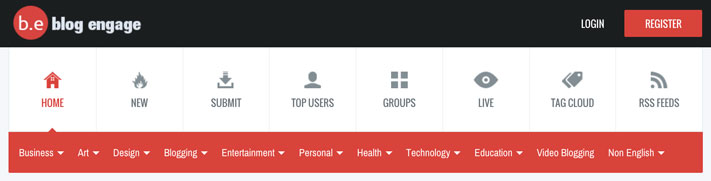
BlogEngage has shut down — the domain now redirects to an unrelated cryptocurrency-mining site. Look for a currently operating blog-syndication community instead.
Outbrain

Outbrain is a content discovery platform that helps publishers increase web traffic by surfacing relevant links. When you see images with links at the bottom of a page labeled “You May Also Be Interested In…” it is often Outbrain. The platform charges on a Cost Per Click (CPC) basis. Outbrain completed its acquisition of Teads in February 2025 and the combined company now operates as Teads, so check their current offerings before launching a campaign. Learn more here.

With Outbrain, you create a campaign, set a start and end date, and choose a Cost Per Click. Traffic then flows to your site. Budget can deplete quickly, so monitor conversions carefully before scaling.
Medium.com

Medium functions similarly to syndication. You can sign up for a Medium.com account and import blog posts directly. For example, we published a piece on personal branding on our blog, then imported it into our Medium account.
A few things worth knowing: links on Medium are NoFollow, meaning search engines do not count them for SEO. Medium has also introduced a metered paywall and Partner Program that affect content distribution. That said, Medium has solid search visibility and can deliver meaningful brand awareness. The main trade-off is that you’re building an audience on their platform, not yours. For beginners, the low learning curve makes it a practical starting point.
Want Your Content to Work Harder for Your Reputation?
Content promotion is just one piece of a complete online reputation strategy. Our team can help you build a system that drives visibility, trust, and results.
BlogCatalog

BlogCatalog is a social blog directory where you can promote your blog, find other blogs, and connect with bloggers. Note that BlogCatalog has seen significantly reduced activity in recent years, so verify the platform is still operational before investing time or money. For $200 per year, an upgraded membership can drive additional traffic, but all links are marked NoFollow, meaning no SEO value passes through. If traffic volume alone is your goal, it may still be worth considering.
BizSugar

BizSugar uses a community voting system to curate content. The best-performing posts are elevated to the home page for greater visibility. Unlike BlogCatalog, BizSugar links are followed by search engines, adding SEO value. Community activity has slowed since the platform was acquired by Small Business Trends, so check current engagement levels before prioritizing it in your syndication mix.
Perform Email Outreach

Find blogs that cover topics similar to yours. Email them and let them know you have content that could benefit their readers – they may feature a link from their site to yours. This technique works well for earning inbound links and is a natural complement to digital PR outreach, where earned media placements and content links reinforce each other.
The Bottom Line
Post to appropriate social media channels frequently – more at first, then less over time. Then syndicate your content across multiple platforms. The options listed above each work differently, and the syndication landscape has expanded to include LinkedIn Articles, Substack, Quora Spaces, Flipboard, and relevant Reddit communities, all of which can offer strong reach depending on your audience.
Any real human traffic you drive to quality content is worthwhile. Done consistently, content promotion compounds over time and becomes one of the most reliable ways to build and maintain a positive online reputation.
Frequently Asked Questions









Protect Your Online Reputation
Every day you wait, negative content gets stronger. Talk to our experts about a custom strategy for your situation.
Get Your Free Analysis