
How To Monitor Your Online Reputation: Step-By-Step & Tools
Discover the exact steps and tools reputation experts use to track brand mentions, analyze sentiment, and stay ahead of potential crises before they escalate.

Monitoring your online reputation gives you real-time insight into what customers, prospects, and stakeholders are saying about your brand. By identifying the right channels and keywords, establishing a baseline, and setting up automated alerts, you can catch potential crises early and respond before they escalate. Tools like Google Alerts, Mention, Hootsuite, and Brandwatch automate much of the process and surface insights you might otherwise miss.
How to Monitor Your Online Reputation
-
1
Identify relevant channels and keywords
Monitor the platforms where your audience actually engages with your brand, including social media, review sites like Yelp and Google Reviews, and industry-specific forums. Build a keyword list that includes your brand name, common misspellings, key executives' names, and top product or service names. Tools like Google Alerts, Mention, Hootsuite, and Brandwatch can track these keywords across channels and deliver real-time alerts.
-
2
Establish a baseline and set up alerts
Before measuring progress, analyze your existing mentions, reviews, and feedback to understand where your brand currently stands. Use social media listening platforms, review sites, and Google Business Profile to gather this baseline data. Once established, configure tools like Google Alerts, BuzzSumo, or Hootsuite to send ongoing notifications whenever your brand or related keywords appear online.
-
3
Review and analyze alerts consistently
Schedule monthly or bi-weekly reviews of your collected alert data to identify patterns and stay ahead of emerging developments. Regular analysis helps you spot positive trends worth amplifying and negative ones worth addressing before they escalate. Adjust your monitoring strategy based on what the data reveals over time.
-
4
Engage with customers and respond to feedback
Acknowledge positive reviews and provide thoughtful, timely responses to negative comments across all platforms. Maintain a consistent brand tone whether communicating on social media or professional forums, as consistency reinforces trust and brand identity. Establish a clear escalation process so complex complaints reach the right departments quickly and no issue falls through the cracks.
-
5
Analyze and report on reputation data
Use analytics tools such as Google Analytics 4, Sprout Social, and sentiment analysis dashboards to make sense of the data your monitoring efforts collect. Compile regular reports that highlight key metrics, emerging trends, and areas requiring attention, making it easier for stakeholders to understand and act on the findings. Visualization tools like Tableau or Microsoft Power BI can turn raw data into clear, compelling narratives.
Monitoring your online reputation provides the insights you need into what prospects, customers, and other stakeholders are saying about you. You’ll improve your understanding of customers, and that will shed light on how well your products or services perform in search results and commercially. You’ll also have a better chance to avoid a crisis by catching it early, before it gets out of control.
Online reputation management tools automate many of your efforts and can reveal valuable insights you might otherwise miss. Below we outline the reputation tools we’re asked about most. At Reputation X we use a diverse set of tools to monitor our clients’ online profiles, because no single tool provides a complete solution on its own.
Note: If you are looking for SEO tools we use, you can find them here.
1. Identify Relevant Online Channels and Keywords
Effective online reputation management requires more than searching your company name on Google every few months. To stay on top of how your brand is perceived, you need to monitor the online channels where consumers actually engage with your business.
Today’s digital landscape spans multiple platforms, each offering unique insights:
- Social Media: Channels like Facebook, X (formerly Twitter), and Instagram reveal real-time customer sentiment about your brand.
- Review Sites: Platforms such as Yelp and Google Reviews provide in-depth feedback on customer experiences.
- Specialized Forums: Industry-specific forums surface detailed discussions relevant to your niche, including customer preferences and concerns.
To gather comprehensive insights, choose keywords that are most relevant to your business:
- Include your brand names, product names, and industry-specific terms that could influence customer perception.
- Tracking these keywords helps identify trends, analyze sentiment, and understand the context of conversations around your brand.
Several tools can assist with effective online reputation monitoring:
- Software like Google Alerts, Mention, Hootsuite, and Brandwatch can track mentions, analyze sentiment, and compile data across channels.
- These tools automate much of the process, providing real-time alerts and detailed analytics to keep you informed and responsive.
2. Establish a Baseline and Set Up Alerts
To gauge the effectiveness of your reputation management efforts, you need a benchmark against which you can measure progress. Start by analyzing existing mentions, reviews, and feedback to understand your brand’s current standing.
Get a Free Reputation Assessment
Find out what people see when they search for you online. No obligation — results in 24 hours.
Tools such as social media listening platforms, review sites, and Google Business Profile are valuable sources for this baseline data. Once you have it, set up ongoing alerts:
- Google Alerts sends real-time notifications whenever your brand or related keywords are mentioned online.
- BuzzSumo offers keyword tracking, brand mention alerts, and content analysis.
- Hootsuite and Mention provide comprehensive solutions for real-time brand monitoring.
Consistent review and analysis are key to effective monitoring. Monthly or bi-weekly reviews are recommended to identify patterns, stay on top of new developments, and adjust strategies based on collected data.
By establishing a baseline and setting up alerts, you can quickly identify positive trends to capitalize on and negative ones to address before they escalate.
3. Engage with Customers and Respond to Feedback
Engagement is the cornerstone of effective online reputation management. It demonstrates that you value customer input and are committed to addressing their concerns.
Be proactive in responding to feedback, whether positive or negative. Acknowledge positive reviews and provide thoughtful responses to negative comments. According to Salesforce’s State of the Connected Customer report (2023), 88% of customers say the experience a company provides is as important as its products or services — making every interaction count.
of customers say the experience a company provides is as important as its products or services
Salesforce State of the Connected Customer
Maintain a consistent tone and messaging across all online channels to build a coherent brand image. Whether using a casual tone on social media or a more formal approach on professional forums, consistency reinforces brand identity.
Also establish a clear escalation process for handling customer complaints. Ensure complex issues reach the right departments quickly. A well-defined process prevents problems from falling through the cracks and contributes to a stronger overall reputation.
Proactive engagement and consistent communication help build a loyal customer base and foster long-term trust. For a deeper look at how analyzing online reviews can drive improvements, see our dedicated guide.
Need Help Monitoring Your Reputation?
Our team uses best-in-class tools to track, analyze, and protect your brand's online presence — so you can focus on running your business.
4. Analyze and Report on Online Reputation Data
Understanding the data collected from your monitoring efforts is crucial for making informed decisions and strategic adjustments.
Leverage robust analytics tools to manage the volume of data you collect:
- Google Analytics 4 (GA4) provides in-depth traffic and user behavior analysis.
- Sprout Social offers comprehensive social media analytics.
- Sentiment Analysis Dashboards reveal public sentiment trends over time.
Establish a routine of compiling regular reports to track progress. Tools like Tableau and Microsoft Power BI turn raw data into visually compelling stories that stakeholders can understand and act on. Focus reports on key metrics, emerging trends, and areas needing improvement.
Sharing detailed reports with key stakeholders promotes a collaborative approach and encourages collective efforts to address potential issues. This is crucial for driving data-driven strategies that keep your organization ahead of reputation risks. Understanding sentiment analysis is a key part of making this data actionable.
5. Improve Your Online Reputation Management Strategy
An effective reputation management strategy must be dynamic. It requires continuous improvement and adaptation to stay relevant in the ever-evolving digital landscape.
Periodically analyze the performance of your current tactics and refine them based on the latest ORM best practices. Stay informed about new tools and technologies that can enhance your monitoring and engagement capabilities. AI-driven analytics tools can provide deeper insights into customer sentiment and detect potential reputation threats early.
Staying active on emerging social media platforms — including TikTok and Threads, both of which have become significant reputation monitoring channels — can help you reach a broader audience and stay ahead of trends.
Regularly analyze reviews and survey results to identify areas for improvement in your offerings and customer service. Keep an eye on industry trends to align your marketing strategies with current preferences. Learn more about the difference between proactive and reactive reputation management to understand which approach fits your current situation.
Reputation Monitoring Tools To Use
The following are some useful tools for closely monitoring your business’s online reputation.
Semrush
Semrush is a professional SEO tool used for many search-related tasks, including tracking where branded search results rank in Google. It also has a brand monitoring function that lets you receive notifications about your brand and track the relative positions of specific search results.
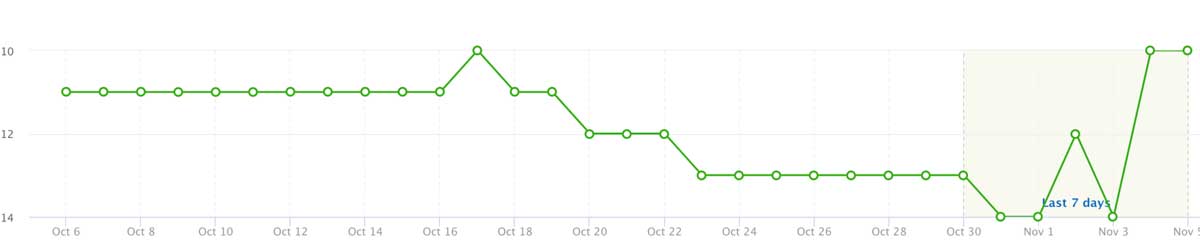
For example, if your company has a Yelp problem, you can set up Semrush to track Yelp’s Google position over time. If you have bad Yelp reviews, you want Yelp buried deep in search results. By tracking both mentions and the position of negative search results, you can determine whether to prioritize optimizing other review sites above any negative review issues you have.
Google Alerts
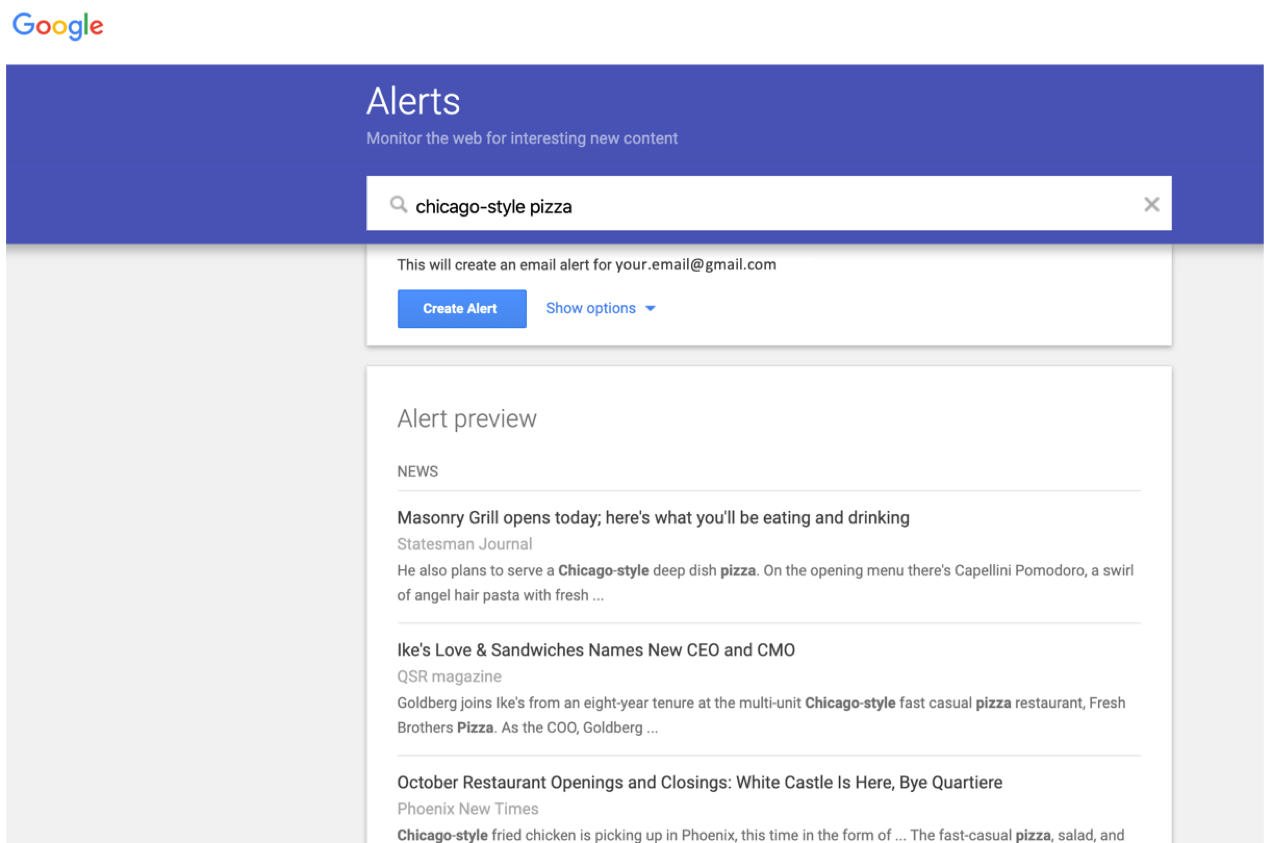
Google Alerts is a free web monitoring service that lets you set up alerts for your company name and industry keywords. It’s a multi-purpose tool: you can monitor brand mentions — including negative ones — and also gather content creation ideas from industry keyword alerts.
Setup is straightforward. Type in the keyword you’d like to receive notifications for, select your preferred frequency and region, and you’ll receive emails keeping you up to date on search results for that term.
Mention
Mention works similarly to Google Alerts but is more robust, focusing on the social media sphere. It monitors social media to find any mentions of you or your brand in online conversations, and lets you publish content and interact with your audience directly.
Mention also performs competitive analysis — monitoring conversations around your competition to understand industry trends and sentiment.
ReviewPush
ReviewPush is focused on review monitoring. It simplifies review management by collecting all of your reviews in one place, and is particularly useful for businesses with multiple locations, offering multi-site monitoring and unlimited location support.
Multi-level reporting lets you drill down to see how different locations rank against each other. You can also identify which review sites your brand doesn’t appear on, enabling you to target those platforms. Note that ReviewPush was acquired by Chatmeter, and Chatmeter itself has since been folded into Alchemer, a broader customer-intelligence platform — so ReviewPush’s current features are best evaluated under the Alchemer product line.
Talkwalker
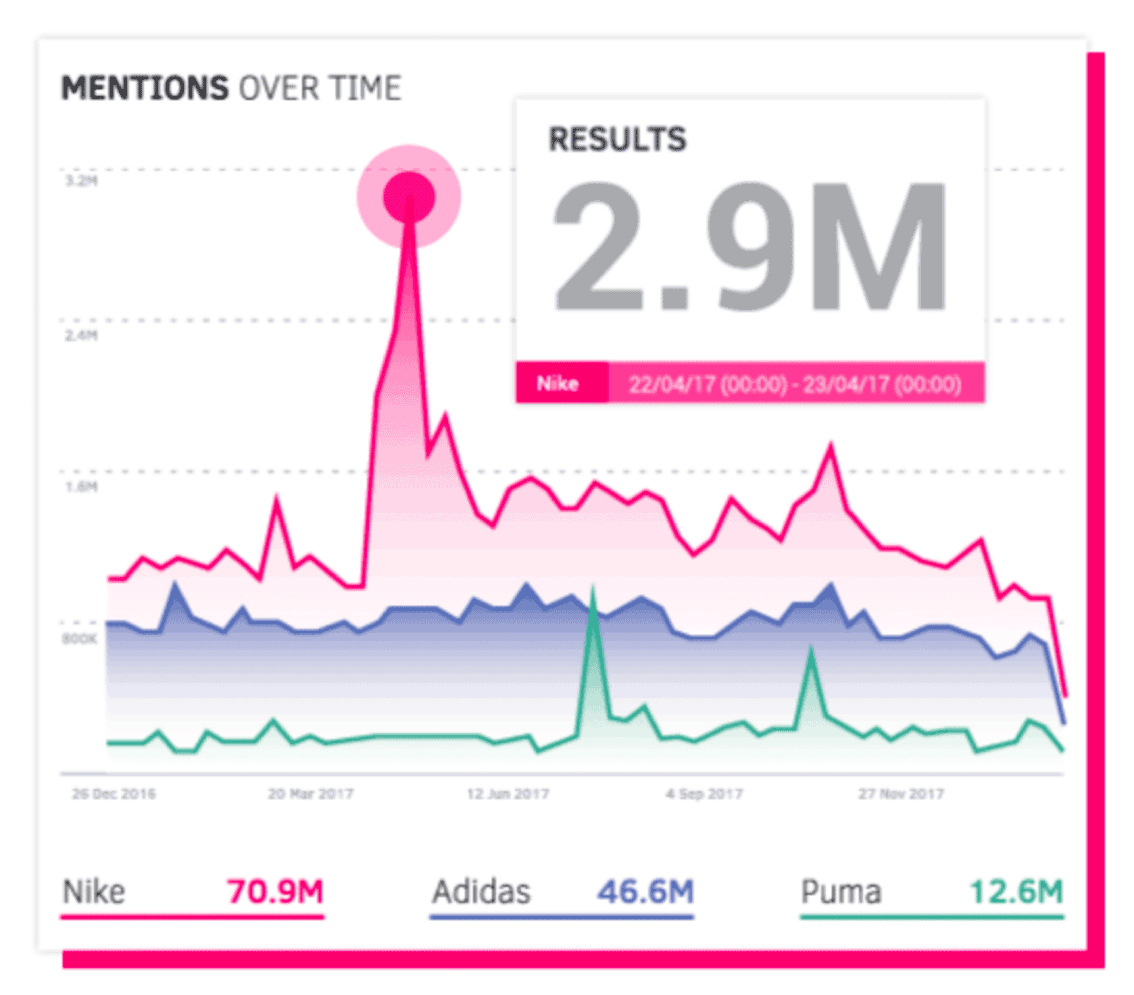
Talkwalker Alerts is a free monitoring tool that enables you to track campaigns and hashtags with no limit on the number of searches. It supports a wide range of languages and lets you monitor your own campaigns or those of competitors. Note that the broader Talkwalker platform is primarily an enterprise paid solution, and Talkwalker was acquired by Hootsuite in 2024.
ReviewTrackers
ReviewTrackers is a strong tool for monitoring online reviews. Email alerts drill down into the overall sentiment of your reviews and highlight which aspects of your business are mentioned most often. A mobile app lets you track and respond to reviews at any time. Note that ReviewTrackers was acquired by Reputation (formerly Reputation.com) in 2022, so it’s worth confirming whether the product continues to operate as a standalone platform.
Birdeye
Birdeye is a solid review monitoring and improvement tool. Its primary purpose is to improve reviews and ratings, and it includes a Birdeye Alerts function. One distinction worth understanding is how Birdeye handles the review request process: all customers are sent to a review site regardless of their sentiment, rather than using a gated approach.
Gating uses a two-step process:
- Step 1: Ask for a thumbs up or down from the customer.
- Step 2: If they gave a thumbs up, send them to a review site. If a thumbs down, customer service steps in and no review is requested.
Birdeye’s non-gated approach aligns with how Yelp and other review sites prefer things to work. It’s also worth noting that Google explicitly prohibits review gating in its policies, so businesses considering a gated approach should carefully weigh the compliance implications. That said, certain industries — such as debt collectors and travel companies that rely on third-party service experiences — tend to respond better to gated systems. Learn more about what gated reviews are and whether they’re right for your business.
Birdeye has an excellent user interface and strong monitoring functionality overall.
Maximize Your ORM Efforts
This is not a comprehensive list of every online reputation management monitoring tool available. We’ve provided an overview of the tools people ask us about most. Any one of them will help automate your reputation management, freeing up your time to focus on improving and maintaining your brand image.
Once you start gathering insights, it’s important to act on them. Knowing what is being said about you online helps develop a personalized reputation management strategy. You’ll know which areas of your business are thriving, which need improvement, and you’ll be more connected to your audience.
If you need extra help managing your online reputation or want more creative ways to act on your data, feel free to contact us today.
Frequently Asked Questions








Protect Your Online Reputation
Every day you wait, negative content gets stronger. Talk to our experts about a custom strategy for your situation.
Get Your Free Analysis