
Why People Trust Strangers When Buying Online Today
Online reviews shape buying decisions more than ever — here's the psychology behind why we trust strangers and what it means for your brand.
Online reviews have become the dominant force in consumer purchasing decisions, with 98% of people reading reviews before buying from local businesses. We trust strangers online because we see them as peers whose firsthand experiences reduce uncertainty. Negative reviews carry disproportionate weight — 94% of consumers have avoided a business because of one — making proactive review management essential for any brand.
Think about the last time you bought something online. How did you decide what to buy? You probably searched for whatever you wanted and read a few reviews. Maybe you found a negative review and that was your cue to move on to the next option.
People hold the opinions of online reviewers so highly that we base our purchasing decisions almost entirely on them. But who are these people that we let decide which brand of moisturizer we should buy next? They’re strangers. If one of them came up to you on the street and recommended a product, you’d probably walk quickly in the other direction. So why do we trust them so much online?
A single negative review can damage your brand — and since virtually everyone reads and believes online reviews, they are essential to your business. But why do we trust them? And, more importantly, should we?
This article will cover:
Online Review Statistics Worth Knowing
Here are a few statistics from BrightLocal that underscore the importance of online reviews:
of consumers read online reviews for local businesses
BrightLocal Local Consumer Review Survey (most recent)
- Consumers read an average of around 7 online reviews before feeling able to trust a local business
- 85% of consumers consider reviews older than 3 months no longer relevant, making recency a key factor in building trust
- A growing majority of consumers will only use a business with 4 or more stars — and that threshold continues to rise year over year
- Younger consumers remain the most active reviewers, though the gap between age groups is narrowing — see the latest BrightLocal Local Consumer Review Survey for current breakdowns
- BrightLocal’s most recent data shows that 49% of consumers across all age groups trust online reviews as much as personal recommendations, with younger demographics trending considerably higher
- 88% of consumers say they would use a business that responds to all of its reviews, making engagement a key part of any reputation strategy
What Makes People Trust Online Reviews
Since most people do most of their shopping online, they turn to review platforms like Yelp to determine whether a product is worth buying. Because you can’t physically examine what you’re purchasing, reading a review is the next best thing. Reviews also validate restaurants and other businesses by describing what it would be like to experience them firsthand.
Get a Free Reputation Assessment
Find out what people see when they search for you online. No obligation — results in 24 hours.
Online reviews reduce our reliance on friends and family for recommendations. They’re especially helpful when planning vacations or when a new restaurant opens in town. We trust them because:
- They offer transparency into a business
- We see other reviewers as peers and trust their opinions as we would a friend’s
- They help validate our choices
The Outsized Power of Negative Reviews
Studies show that people pay more attention to negative reviews than positive ones. According to ReviewTrackers, approximately 94% of consumers say a negative review has convinced them to avoid a business. Here are a few reasons why negative reviews carry so much weight:
- Because negative reviews are scarcer than positive ones, readers associate them with higher credibility
- Nobody wants a bad experience, so negative reviews serve as warning signs that help people avoid potential losses
- Negative reviews are used to assess the risk of a poor outcome before committing to a purchase
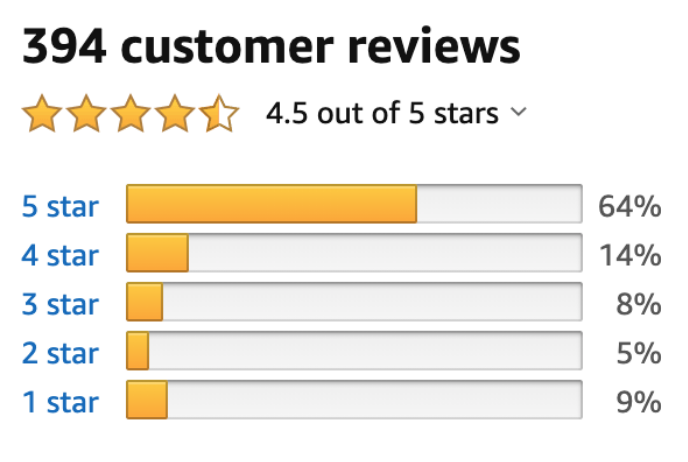
Understanding how positive and negative reviews affect business revenue is essential for any brand managing its online presence. Even a single unaddressed negative review can have a measurable impact on consumer decisions and your bottom line.
Is Your Review Profile Hurting Your Business?
Our reputation specialists can audit your current review landscape and build a strategy to protect and improve how customers see you online.
Not All Reviews Are Created Equal
In a perfect world, every online review would be an honest opinion on a product or service. But that’s not always the case. The internet contains both fake and unreliable reviews, and even genuine reviews come with limitations worth understanding.
Reviewers Are Anonymous
Reviews are often emotional and biased. Would you trust the opinion of someone who dislikes seafood but is reviewing a new sushi restaurant? Or someone who had a bad first date at that same restaurant? Probably not — but you’d have no way of knowing their bias unless they disclosed it.
The average reviewer isn’t average at all. People who write online reviews are more likely to buy things in unusual sizes, make returns, be married, have more children, be younger and less wealthy, and hold graduate degrees than the typical consumer. Their interests, body types, and preferences may differ significantly from yours.
Reviews Can Be Fake
Estimates from researchers and industry analysts suggest that anywhere from 30% to over 40% of online reviews may be fake or otherwise unreliable — a figure that has grown alongside the rise of AI-generated content. Fake reviews can be either negative or positive and come from a variety of sources:
- Businesses can pay for fake positive reviews to improve their own image
- Competitors can pay for fake negative reviews to undermine a rival
- Consumers with no real grievance can write fake negative reviews to extract refunds or perks
- Internet trolls write negative reviews purely for entertainment
Review platforms like Yelp and TripAdvisor use automatic detection systems and manual moderation teams to filter out reviews they believe are fake, biased, or unhelpful. Yelp labels this section “not recommended.” These platform-level efforts are now backed by federal regulation, giving consumers and businesses additional legal recourse against bad actors.
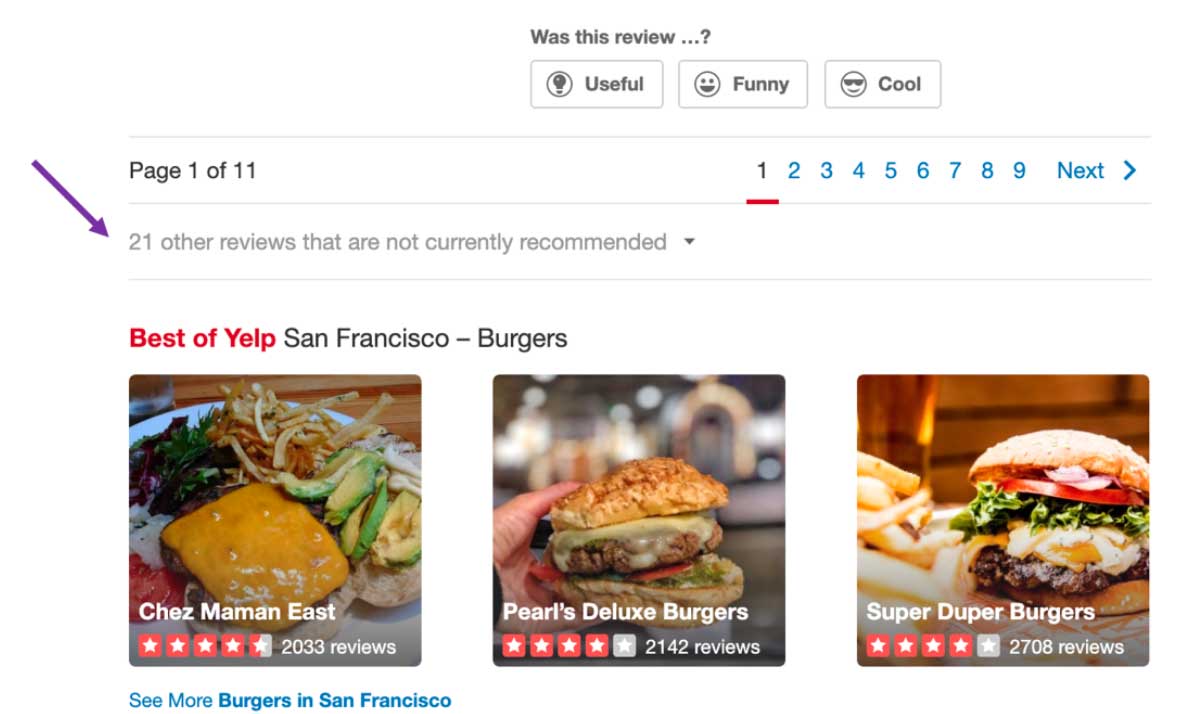
Some platforms take additional precautions by only allowing verified purchasers to leave reviews, which helps reduce the volume of fake submissions.
How to Spot a Fake Review
Even though we instill a lot of trust in online reviews, it’s worth analyzing them carefully. The rise of AI-generated content has made spotting fakes significantly harder, since AI-written reviews can mimic natural language well enough to fool both readers and traditional detection tools. Here are a few signs that a review might be fake:
- Vague or generic language with no specific details
- Heavy use of first-person pronouns
- More verbs than nouns
- Not from a verified buyer
- Timestamped at unusual hours
Mozilla discontinued its Fakespot fake-review detection tool, including Firefox’s built-in Review Checker, in 2025. Consumers can instead look for the fake-review warning signs below, or use other current review-authenticity tools.
How to Improve Reviews Ethically
Even though reviews can’t always be trusted, they remain vital to your business. Research has long shown that improving your rating by even one star can drive a meaningful increase in revenue — a finding originally documented in a Harvard Business School study and widely cited across the industry. Recent surveys also suggest that more than 60% of consumers now require a 4-star rating or higher before engaging with a business.
For a broader look at how your review profile fits into your overall digital presence, see our guide on analyzing online reviews and feedback to improve reputation. If you manage reviews across multiple locations or platforms, our overview of managing online reviews for small business covers the practical steps in detail.
Here are a few ethical ways to manage your online reviews:
- Encourage awareness of your review profiles: Displaying a “Find us on Yelp” sticker is an acceptable way to remind customers where to find you. Be cautious — Yelp’s Terms of Service prohibit soliciting reviews directly, and Google’s policies similarly ban bulk or incentivized requests. Focus on creating great experiences that naturally motivate customers to share their thoughts.
- Respond to negative reviews: Negative reviews offer valuable feedback and a chance to connect with customers. Most people read business responses to negative reviews and adjust their opinions accordingly.
- Prioritize higher-consideration products: People tend to require more reviews before purchasing big-ticket items. Invest extra effort in building your review presence for higher-priced offerings.
- Report reviews that violate platform guidelines: Flag spam or policy-violating reviews through the appropriate platform tools.
Final Thoughts
Real or fake, reviews are here to stay. Since your customers are reading and believing what they see about your business online, it’s important to monitor your review presence closely. A strong online reputation management strategy treats reviews not as a nuisance to manage reactively, but as a continuous signal about how your brand is perceived — and an opportunity to build lasting trust. If you need help developing your review management strategy, contact us here.
Frequently Asked Questions






Protect Your Online Reputation
Every day you wait, negative content gets stronger. Talk to our experts about a custom strategy for your situation.
Get Your Free Analysis