
Key Stakeholders in Online Reputation
From consumers leaving reviews to executives setting brand strategy, every stakeholder plays a role in shaping — and protecting — your online reputation.


- Consumer reviews spread fast — respond to negative feedback within 24 hours, personally and specifically.
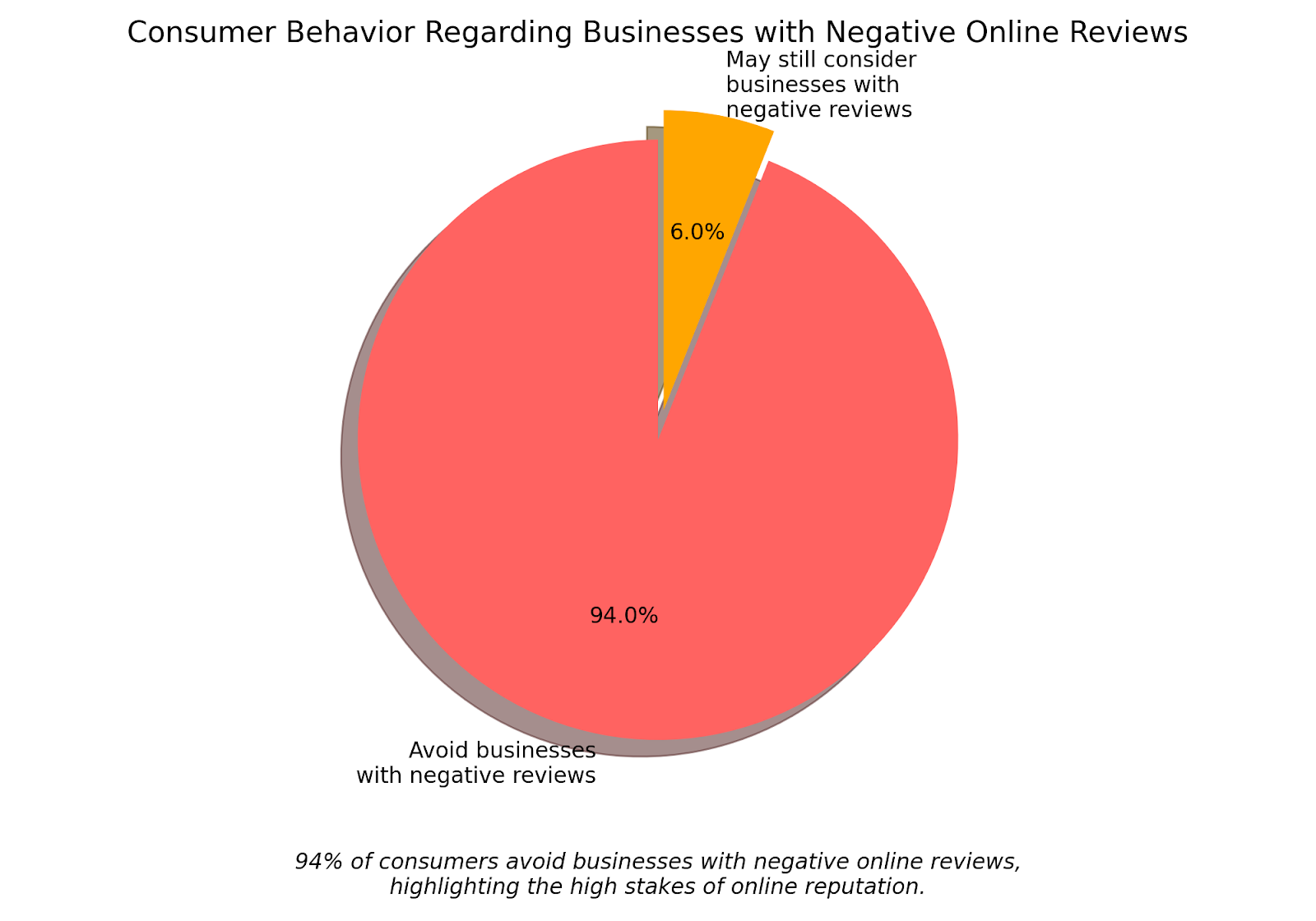
- 94% of consumers avoid businesses with negative reviews, making ORM a direct driver of revenue.
- Executives must treat reputational risk as a top-tier strategic priority, not a marketing afterthought.
- Marketing and communications teams serve as first responders and should monitor sentiment continuously.
- Effective ORM requires cross-functional coordination across leadership, marketing, legal, and HR.
Online reputation management (ORM) affects multiple stakeholder groups, each with distinct roles in shaping a company's digital presence. This article breaks down how consumers, executives, marketing teams, legal departments, and HR all contribute to and are impacted by ORM. Understanding each group's responsibilities enables organizations to build coordinated strategies that protect and strengthen their reputation.
Online reputation management (ORM) has become a core component of modern business strategy, influencing stakeholder perceptions, decision-making, and overall success. This article examines the key stakeholders involved in online reputation management, their roles, and the implications of ORM for each group.
Consumers and the General Public
Consumers play an instrumental role in shaping online reputations. Their opinions and reviews spread quickly across platforms, influencing brand perception almost instantaneously.
- The Role of Consumers in Shaping Online Reputation: Consumers are the end-users of products and services. Their reviews and feedback form a core component of a company’s reputation because they provide social proof. Positive reviews bolster a company’s image; negative reviews can severely damage it. Review platforms, social media, and online forums are the primary tools consumers use to express their opinions.
- The Impact of ORM on Consumer Trust and Decision-Making: Effective ORM builds consumer trust and loyalty. A reputation that reflects integrity, quality, and customer care encourages customers to choose and stay loyal to a brand. According to Edelman, 81% of respondents must trust a brand before making a purchase. That trust often becomes the deciding factor between competitors.
- Hypothetical Scenario: A popular restaurant chain faces negative online reviews after a food quality issue. Through effective ORM, the chain responds to each review with apologies and corrective steps, then deploys a review management program to rebuild its star rating above 4 stars. Over time, these actions restore customer trust and improve its overall online reputation.
Business Owners and Executives
Business owners and executives are the architects of an organization’s vision and strategy. Their focus on brand sentiment directly impacts business growth and sustainability. A staggering 94% of consumers avoid businesses with negative online reviews, according to ReviewTrackers, highlighting the high stakes of reputation management. Understanding reputational risk is an essential part of any executive’s strategic toolkit.
of consumers avoid businesses with negative online reviews
ReviewTrackers
In study after study, executives rank reputation risks above other strategic risks. Leaders are responsible for implementing strategies to monitor and enhance their company’s online reputation. They collaborate across departments to address issues promptly and develop a consistent brand narrative.
Is Your Brand's Reputation Working For You?
Our team helps businesses and executives take control of their online presence — before a crisis forces the issue.
Marketing and Communications Professionals
Marketing and communications teams are the frontline guardians of a brand’s image. They monitor and manage online reputations and are the first responders to any reputation-related issues.
- The Role of Marketing and Communications Teams in ORM: These professionals track and analyze online sentiment, create content that fosters a positive brand image, and manage responses to online feedback. They craft the messages that shape public perception and design campaigns to engage audiences and recover dissatisfied customers.
- The Benefits and Challenges of ORM for These Professionals: ORM can significantly boost a brand’s credibility and customer engagement. The challenge is maintaining a consistent, positive image while navigating unpredictable public opinion. A review management program that continuously builds online social proof is a key asset for these teams.
Legal and Compliance Teams
Legal and compliance teams ensure that ORM strategies adhere to regulatory standards and mitigate legal risks that could harm the brand’s reputation.
- The Intersection of ORM and Legal Considerations: Legal teams ensure that the company’s online content complies with laws and regulations, protecting the company from liabilities such as defamation suits, copyright issues, and data privacy violations.
- The Role of Legal and Compliance Teams in ORM: They work closely with marketing and executive teams to develop guidelines for online interactions, review potentially problematic content, and handle legal issues arising from online activities. A key part of their responsibility is working to de-escalate disputes quietly before they escalate into a public reputation crisis.
Human Resources and Talent Acquisition
ORM shapes employer branding and talent acquisition. HR professionals must manage the company’s human-facing online reputation to attract and retain top talent. A strong corporate reputation is one of the most effective recruiting tools a company can have.
- The Impact of ORM on Employer Branding: Job seekers research potential employers online before applying. A positive online reputation attracts high-quality candidates, while negative reviews on platforms like Glassdoor deter top talent. Notably, 55% of job seekers have abandoned applications after reading negative reviews about a company’s culture.
- The Role of HR in ORM: HR teams monitor employer review sites, respond to employee feedback, and promote the company’s culture and values online. They ensure that the internal reputation aligns with the external one — a critical alignment for long-term employer brand health.
- Hypothetical Scenario: A company faces online backlash about diversity and inclusion that is becoming visible in search results. The HR team responds by openly communicating current policies, improvement steps, and its commitment to an inclusive workplace. This proactive approach rebuilds trust, strengthens the employer brand, and attracts candidates who value inclusivity.
Summary
Consumers, business owners, executives, marketing professionals, legal teams, and HR departments all play pivotal roles in online reputation management. Their interactions are interlinked and collectively shape a company’s online presence.
Consumers rely heavily on online reviews for decision-making, making a positive reputation essential for attracting and retaining customers. Business owners and executives must prioritize ORM as a central component of business strategy. Learn more about the benefits of a strong online reputation and why proactive investment pays off.
Marketing and communications professionals implement ORM strategies, monitor online conversations, and address negative feedback. Legal and compliance teams ensure those efforts align with regulations and protect the company from legal exposure.
HR departments integrate ORM into hiring and employee relationship management, recognizing that employee behavior significantly impacts company reputation. Comprehensive ORM strategies that address these diverse stakeholder needs are essential for sustaining a favorable online presence and ensuring long-term success.
Frequently Asked Questions









Protect Your Online Reputation
Every day you wait, negative content gets stronger. Talk to our experts about a custom strategy for your situation.
Get Your Free Analysis