
How to Maintain a Positive Digital Footprint: Key Actions You Should Take
Your online presence shapes how the world sees you — here's how to take control and make sure it works in your favor.

Your digital footprint shapes how employers, institutions, and peers perceive you online. This article provides practical steps to audit your social media accounts, monitor your search presence, and make smarter decisions about what you share. Taking a proactive approach to managing your online identity helps ensure your digital presence accurately reflects your personal and professional values.
How to Maintain a Positive Digital Footprint
-
1
Audit your social media accounts
Review and update privacy settings on platforms like Facebook and Instagram to control who sees your posts and personal information. Scrutinize past content, including photos and comments, and remove or edit anything that no longer reflects your current professional or personal stance. Consider setting profiles to private to restrict visibility of your content.
-
2
Google yourself regularly
Search your name on search engines to see what information is publicly accessible about you, and use Google's 'Results about you' dashboard to manage how your personal data appears online. Set up Google Alerts for your name so you are notified whenever new mentions or data about you appear on the web. This proactive habit helps you stay informed and respond quickly when necessary.
-
3
Think carefully before you post
Before sharing anything online, pause and ask yourself whether the content reflects your values and whether it could be misinterpreted. Avoid posting in anger or sharing strong opinions on sensitive topics, as these can lead to unintended professional and personal consequences. Remember that content shared online is effectively permanent, and a momentary lapse in judgment can have long-lasting effects.
-
4
Steer clear of controversial topics
Avoid engaging with divisive subjects that do not align with your professional image or brand values, as doing so can alienate potential connections or customers. If a sensitive topic is directly relevant to your work, maintain a neutral tone and focus on presenting facts rather than opinions.
-
5
Create and share positive content
Actively publish content that showcases your skills, professional achievements, and expertise across a mix of formats including words, photos, videos, and articles. Maintain a professional, positive, and respectful tone in all posts to ensure they are appropriate for a broad audience that includes family, friends, and colleagues.
-
6
Start and maintain a personal blog
A personal blog gives you full control over your online narrative and serves as a platform to demonstrate professional knowledge and thought leadership. Update it regularly with posts that provide useful information or industry insights to build credibility over time. Building an email subscriber list can help you grow your audience and engage with readers directly on your own terms.
-
7
Share valuable insights and knowledge
Engage your audience by transforming complex research or expertise into accessible formats such as infographics, short videos, or compelling stories. Every piece of content you publish should contribute positively to your digital footprint by reflecting your professionalism and adding genuine value to your audience.
With 25% of adult internet users having admitted to sharing sensitive information on social media, the importance of safeguarding your digital footprint cannot be overstated. Addressing concerns around how to protect your digital footprint, how to reduce your digital footprint, and how to manage your digital footprint effectively is something everyone should know how to do.
This article explores key strategies for maintaining a positive digital footprint, offering practical advice on actions you should take to ensure your online presence reflects your desired personal and professional identity.
Understand Your Current Digital Footprint
To effectively manage your digital footprint, start by examining your presence on social media platforms and conducting a thorough self-search online. Here are actionable steps to guide you:
Check Your Social Media Accounts
- Review Privacy Settings: Regularly update your privacy configurations on platforms like Facebook and Instagram to control who sees your posts and personal information. On Facebook, adjust your audience selector to “Friends” and review who can see past posts you’ve been tagged in under “Profile and Tagging” settings.
- Audit Your Posts: Conducting audits of your online content is a reliable way to maintain a positive digital footprint. Scrutinize past content, including photos and comments, and remove or edit posts that no longer represent your current professional or personal stance. On platforms like Instagram, consider setting your profile to private to restrict who can view your content.
Google Yourself
- Search Your Name: Regularly searching your name on search engines reveals what information is publicly accessible about you. Utilize Google’s “Results about you” dashboard to manage how your personal data appears online. Learn more in our guide on how to access and use Results About You.
- Set Alerts: Configure Google Alerts for your name to monitor new mentions or data appearing on the web. This proactive measure helps you stay informed about your online presence and take action when necessary.
Maintaining a positive digital footprint is an ongoing process that requires regular attention and adjustment. These steps ensure your digital presence aligns with how you wish to be perceived professionally and personally.
Get a Free Reputation Assessment
Find out what people see when they search for you online. No obligation — results in 24 hours.
Be Mindful of What You Share Online
Being cautious about what you share online is essential for maintaining a positive digital footprint. Both institutions and employers routinely review candidates’ social media activity before making decisions.
Think Before You Post
According to Kaplan, approximately 25–36% of college admissions officers check applicants’ social media profiles. Recent surveys from StandOut CV suggest that upwards of 90% of employers screen candidates online before making hiring decisions.
of employers screen candidates online before making hiring decisions
StandOut CV
Before sharing online, pause and reflect. Ask yourself: Is this content reflective of my values? Could it be misinterpreted? Avoid posting in anger or sharing sensitive opinions on controversial topics, as these can lead to unintended consequences. The internet is permanent, and a momentary lapse in judgment can have long-lasting effects.
Avoid Controversial Topics
Steer clear of divisive subjects, especially those that do not align with your professional image or brand values. Engaging with controversial issues can alienate potential connections or customers. If a sensitive topic is relevant to your brand, maintain a neutral tone and focus on facts rather than opinions.
Take Control of Your Digital Footprint
Not sure what your online presence says about you? Our reputation experts can audit your digital footprint and build a strategy to strengthen it.
Create and Share Positive Content
Actively creating and sharing content that reflects your best traits and professional achievements is one of the most effective ways to build a positive digital footprint. Showcase your skills through a mix of media on social platforms—words, photos, videos, and articles that highlight your expertise and significant experiences. Maintain a professional, positive, and respectful tone in all posts to ensure they are appropriate for family, friends, and colleagues alike.
Start a Personal Blog
A personal blog gives you a platform for sharing valuable insights and knowledge while allowing you to control your narrative and demonstrate professional acumen. Update your blog regularly with posts that provide useful information or industry insights, helping to establish you as a thought leader. For executives and professionals, a well-structured personal website can serve the same purpose while offering even greater control over your online narrative.
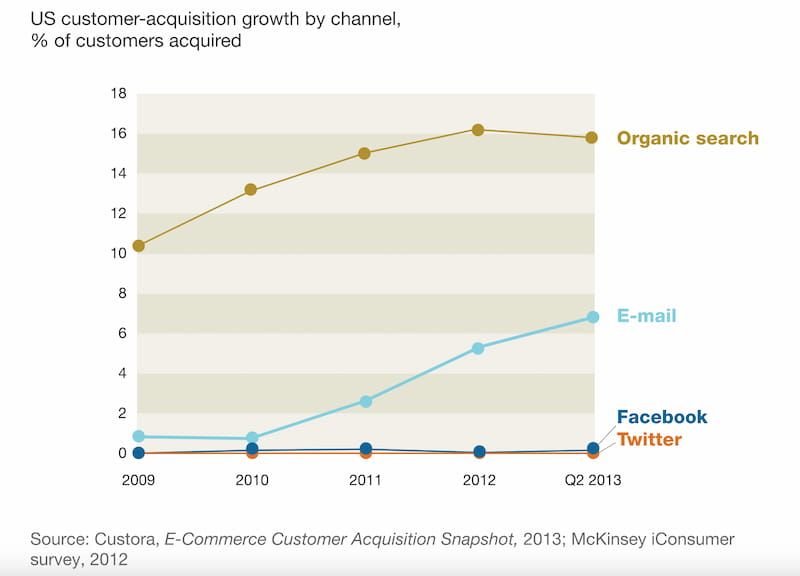
Email marketing remains a reliable channel for growing a blog audience. Building a subscriber list lets you communicate directly with readers, attract new visitors, and engage with existing followers on your own terms.
Share Valuable Insights and Knowledge
Engage your audience by sharing insights that inform and inspire. Transform complex research findings into engaging stories or visual content like infographics or short videos to make your content accessible and relatable. Every piece of content you share should contribute positively to your digital footprint, reflecting your expertise and professionalism.
Engage Positively on Social Media
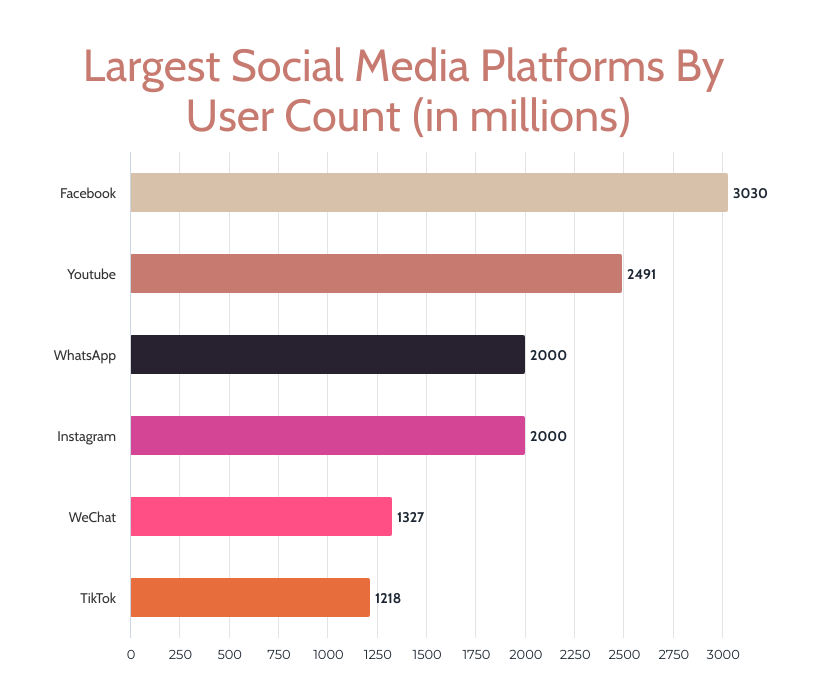
Constructive engagement on social media is one of the most visible ways to improve your digital footprint, given the large user bases these platforms attract.
Participate in Constructive Conversations
Initiate and partake in meaningful dialogues rather than simply liking or sharing posts. Offer thoughtful comments and feedback that reflect well on your professional image. Engage in discussions relevant to your field to establish yourself as a knowledgeable participant in your industry. Every interaction contributes to your digital footprint, so make each one count.
Follow and Network with Positive Influencers
Identify and connect with influencers who have a positive impact in your industry and embody the values you respect. Engage with their content genuinely—compliment their work, share your insights, and offer constructive feedback when appropriate. This increases your visibility and helps build meaningful professional relationships that can lead to collaborative opportunities.
Regularly Monitor and Clean Up Your Digital Footprint
Regularly monitoring and cleaning up your online presence is essential to keeping your digital footprint positive. This involves both removing outdated or negative content and using tools to manage your presence effectively.
Remove Outdated or Negative Content
Review your online content regularly and remove anything that no longer reflects your current professional or personal brand. Google Search Console’s “Removals” tool can suppress outdated content from search results, while Google’s “Results about you” tool allows you to request removal of sensitive personal data from search listings. Addressing negative reviews with explanations or negotiating their removal can also help protect your reputation. For a deeper look at your options, see our guide on how to remove personal information from search results.
Use Tools to Manage Your Online Presence
Leverage tools such as Brand24, Brandwatch, and Mention to track what is being said about you online. These platforms provide real-time monitoring of your digital footprint across social networks, blogs, and forums, enabling you to respond swiftly to mentions, manage crises, and maintain a positive online presence. For a comparison of leading options, see our roundup of the top online sentiment monitoring platforms.
By implementing these strategies consistently, you can ensure that your digital footprint remains clean and positive, reflecting the professional image you wish to project.
Frequently Asked Questions








Protect Your Online Reputation
Every day you wait, negative content gets stronger. Talk to our experts about a custom strategy for your situation.
Get Your Free Analysis