
What Is Propaganda? Marketing, Misinformation, and Reputation
From wartime posters to viral fake news, propaganda has always shaped public opinion — learn how to recognize it and defend your reputation against it.

- Propaganda dates back to ancient civilizations and has been refined through every major historical era.
- World Wars I and II accelerated the development of mass-scale emotional manipulation techniques.
- Edward Bernays and Ivy Lee pioneered corporate propaganda tactics still relevant in modern PR.
- Social media and AI have made propaganda more pervasive and harder for the public to detect.
- In a 2016 Pew Research Center survey, 23% of U.S. adults said they had shared a made-up news story, whether they realized it at the time or not.
Propaganda is the strategic use of facts, half-truths, or lies to influence public opinion in service of political, social, or commercial goals. This article traces its evolution from ancient civilizations through the World Wars to today's AI-driven disinformation campaigns. It also clarifies the distinction between propaganda and public relations, and explains how social media and fake news shape modern perception.
Propaganda is disseminating information, rumors, or ideas to influence public opinion to further a particular cause or agenda.
It involves the selective display of facts, half-truths, or lies to sway people’s beliefs, actions, or attitudes. Propaganda can be used for many purposes, including political, social, or commercial goals, and can be channeled through various media, especially online.
We’ll look at where propaganda came from, how it actually works on a psychological level, and why it’s not the same thing as public relations — even when the two share some of the same tools. It also examines examples of propaganda, the role of social media in spreading misinformation, and how fake news shapes public opinion.
The Historical Evolution of Propaganda
Origins and Use in Ancient Civilizations
Propaganda has been a strategic tool since ancient times, influencing public opinion and supporting religious or war efforts. In ancient Greece, it was used to sway opinion on political and religious matters, even without modern communication tools.
The Stele of Hammurabi and the monumental inscriptions of Emperor Augustus are prime examples of early propaganda, using art and law to mold public perception and assert divine approval.
Development Through World Wars
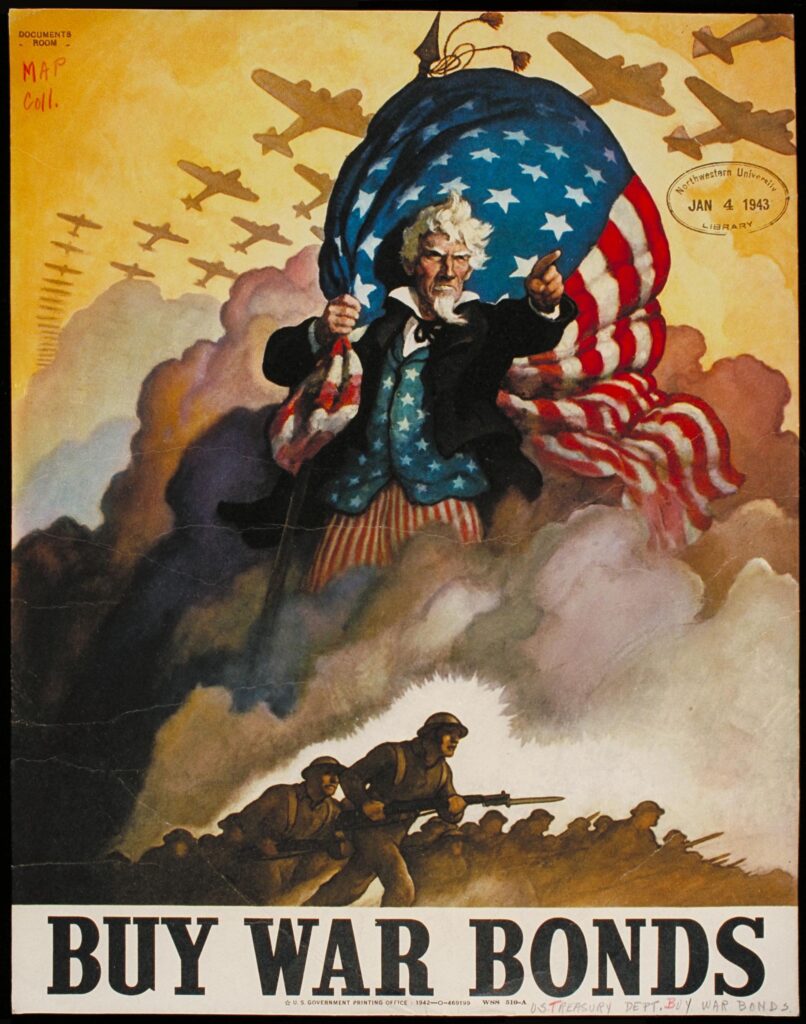
The use of propaganda intensified during the World Wars. World War I saw extensive use of emotionally charged posters and other media to recruit soldiers and boost national morale.
By World War II, techniques had evolved significantly. Nations like Nazi Germany used powerful media tools to promote their ideologies and demoralize enemies. The Allies countered with their own campaigns, emphasizing the moral high ground and the necessity of total war.
Origins of Modern Propaganda
Get a Free Reputation Assessment
Find out what people see when they search for you online. No obligation — results in 24 hours.
- Early Pioneers: In the early 20th century, PR experts like Edward Bernays and Ivy Lee developed techniques to shape public opinion. Bernays, known as the “father of public relations,” used propaganda to help corporations influence public behavior during times of labor unrest, urban growth, and the rise of mass media.
- Ivy Lee’s Tactics: Lee introduced the “Declaration of Principles” in 1906, aiming to portray companies like Standard Oil positively despite public criticism. This marked the beginning of systematic corporate propaganda.
Transition to the Digital Era
Modern techniques include using social media for astroturfing and spreading fake news, often blurring the lines between genuine information and manipulative content.
The integration of artificial intelligence in creating hyper-realistic disinformation campaigns further complicates the public’s ability to discern truth, making propaganda harder to detect and far cheaper to produce at scale.
Fake News
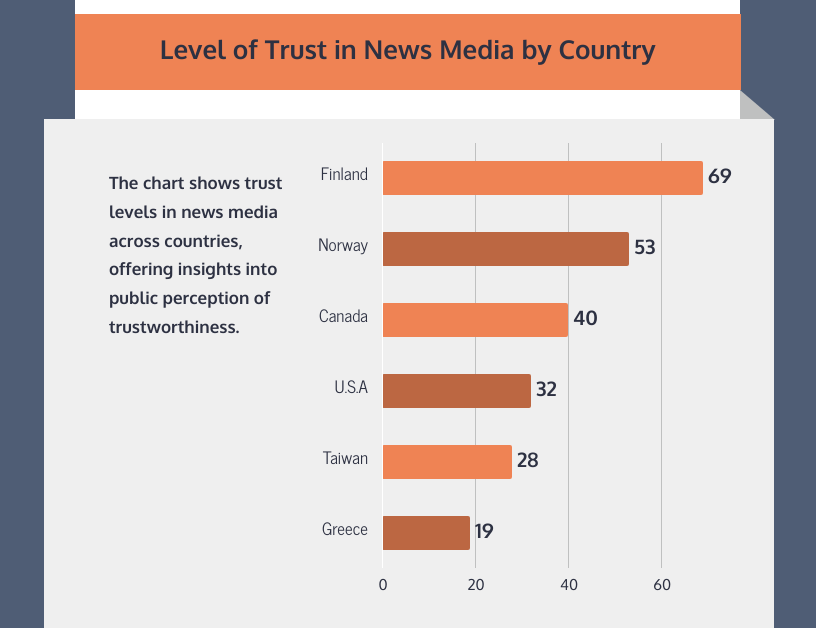
- Prevalence: According to Pew Research Center, 32% of U.S. adults say they have shared a made-up news story, either knowingly or not.
- Confusion: A large majority of U.S. adults believe fake news causes significant confusion about current events — a concern that has remained consistently high across multiple years of Pew Research surveys.
- Confidence in Detection: Americans are increasingly uncertain about their ability to identify misinformation, with recent Pew Research data suggesting that confidence in spotting fake news has declined compared to earlier estimates.
Pew Research Center
Understanding the Concept of Propaganda
What Is Propaganda?
- Definition: Propaganda (noun): The systematic dissemination of information, ideas, or rumors — often biased or misleading — to influence public opinion or promote a particular cause, ideology, or agenda.
- Purpose: While often associated with politics, propaganda can be used across many sectors, from business to social movements, to shape public opinion and behavior.
- Techniques: Propaganda typically uses emotionally charged messages, selective presentation of facts, and repetition to ensure the message sticks.
Techniques and Strategies
The techniques propagandists use aren’t random. They’re grounded in well-documented psychological vulnerabilities: our tendency to follow the crowd, our susceptibility to emotional framing, and our difficulty distinguishing repetition from truth.
Common strategies include ad hominem attacks, appeals to fear, and the bandwagon effect — all designed to influence individuals subtly yet powerfully.
Emotional Appeals vs. Rational Messaging
The effectiveness of propaganda often hinges on its ability to tap into human emotions, bypassing rational thought. Emotional appeals — such as fear or happiness — are paired with rational messaging that uses facts or quantitative data.
This blend of emotional and rational tactics ensures a deeper impact on the audience’s perception and behavior.
Repetition and Omission
Repetition reinforces messages and creates the illusion of unanimous consensus. Conversely, “propaganda by omission” involves strategically excluding information to shape opinions subtly.
This method can skew perceptions significantly, making it a potent tool in any propagandist’s arsenal.
Is Misinformation Hurting Your Reputation?
Propaganda and fake news can damage how your brand or name appears online. RepX helps you take control of your search results and narrative.
Propaganda vs. Public Relations: Key Differences
Propaganda and public relations both try to shape what people think — which is exactly why they get confused so often. But the differences in intent, method, and accountability are real and worth spelling out.
Definitions and Core Objectives
Propaganda is characterized by its intent to manipulate and control public opinion, often using misleading information and emotional appeals to advance a specific agenda. PR, by contrast, seeks to foster a positive image and build trust through transparent and ethical communication.
PR also aims to establish and maintain beneficial relationships between organizations and their audiences, prioritizing mutual understanding and respect.
Ethical Considerations in PR
The ethical standards in PR and the tactics used in propaganda are fundamentally different. PR professionals adhere to strict ethical standards, promoting transparency and accountability in their practices.
Unlike propaganda, which may spread misinformation to achieve its ends, PR upholds the integrity of information, ensuring that communication is both accurate and respectful.
Use of Truth and Transparency
Transparency is a cornerstone of public relations. Effective PR demands honesty in the dissemination of information and makes the intentions behind communication efforts clear.
This openness is essential in building public trust — a stark contrast to propaganda’s covert operations designed to deceive. For a deeper look at how ethical communication shapes brand perception, see our guide on reputation PR.
Similarities Between Propaganda and PR
PR and propaganda, while different in goals, sometimes employ overlapping techniques. Both work to shape perceptions and influence public behavior, though their intentions and the authenticity of their messages can vary drastically.
- Crafting a Narrative: Both PR and propaganda tell a story that resonates with a target audience. PR typically presents a company or individual in a positive light; propaganda pushes an agenda, sometimes at the expense of truth.
- Emotional Appeals: Emotional storytelling is effective in both PR campaigns and propagandist materials. Both rely on stories that evoke strong feelings — pride, hope, fear, or empathy — to drive audience response.
- Use of Symbols and Icons: Both PR and propaganda leverage recognizable symbols or icons to foster connection or evoke a specific sentiment.
- Selective Information Sharing: PR may highlight positives while downplaying negatives. Propaganda often takes this further by omitting inconvenient truths or distorting facts.
- Repetition: Repetition ingrains messages in the audience’s psyche. From brand slogans in PR to recurring themes in propaganda, the repeated message tends to stick.
Recognizing Propaganda in Modern Media
The Role of Social Media Platforms
Social media platforms have significantly amplified the reach and impact of propaganda. These platforms prioritize engagement, often at the expense of accuracy, leading to the rapid spread of misinformation.
A landmark 2018 study published in Science found that false news spreads 70% farther and reaches 1,500 people about six times faster than accurate stories on platforms like X (formerly Twitter). Understanding how dark PR tactics exploit these dynamics is essential for anyone managing a public-facing brand or identity.
Identifying Biases and Fact-Checking
To combat propaganda, it is essential to identify biases and undertake rigorous fact-checking. Scrutinize sensational headlines, verify author credibility, and check supporting links for authenticity.
Understanding your own biases also helps in evaluating information more objectively. Fact-checking sites and librarians are invaluable resources in this effort.
Critical Thinking and Media Literacy
Developing critical thinking and media literacy is essential for recognizing and resisting propaganda. In practice, that means asking who’s behind a piece of content, whether the claims hold up under scrutiny, and what other sources are saying about the same topic.
These skills enable users to navigate the vast information landscape and make informed decisions about the content they consume and share.
Fostering Ethical Communication Practices
Promoting Transparency and Accountability
In public relations, fostering a culture of transparency and accountability is paramount. Organizations must verify the accuracy of information before dissemination and avoid spreading unverified claims.
Implementing policies that require citing credible sources and acknowledging mistakes helps PR professionals uphold a standard that clearly distinguishes ethical communication from manipulative propaganda.
The Importance of Ethical Standards
Ethical standards in public relations are guided by principles such as veracity, non-maleficence, and beneficence. These standards ensure that communications are truthful and considerate of their impact on the public.
PR professionals navigate ethical dilemmas by balancing these principles, often seeking external viewpoints to assess the implications of their actions. For a broader framework, our guide on the ethics of online reputation management covers how these principles apply in practice.
Encouraging Constructive Public Discourse
Encouraging constructive public discourse is essential in countering misinformation and fostering a well-informed public. PR professionals should promote media literacy and critical thinking, enabling individuals to evaluate sources and engage in respectful dialogue.
Establishing community guidelines that promote constructive exchanges and penalize disruptive behavior can significantly enhance the quality of public discourse, keeping it a tool for education rather than manipulation.
Frequently Asked Questions








Protect Your Online Reputation
Every day you wait, negative content gets stronger. Talk to our experts about a custom strategy for your situation.
Get Your Free Analysis