
Types of Bias and How They Affect Wikipedia Editing
From confirmation bias to negativity bias, these cognitive patterns quietly shape Wikipedia content — and understanding them is the first step to managing it.


- Confirmation bias causes editors to favor sources that reinforce existing beliefs, skewing article balance.
- Negativity bias means criticism and controversy are often overrepresented relative to neutral or positive content.
- The availability heuristic leads editors to rely on trending or high-visibility sources instead of comprehensive ones.
- Anchoring bias makes the original framing of an article hard to correct, even after neutral edits are added.
- Fundamental attribution error results in subjects being judged by character rather than context or circumstance.
Bias in Wikipedia editing is rarely intentional, but it consistently shapes how topics, people, and organizations are portrayed. This article breaks down five common cognitive biases — confirmation bias, negativity bias, availability heuristic, anchoring bias, and fundamental attribution error — and explains how each one influences Wikipedia content. Understanding these patterns is critical for anyone monitoring or managing how Wikipedia affects their reputation.
Everyone has an opinion, even Wikipedia editors. Bias in Wikipedia editing isn’t usually intentional, but it’s nearly unavoidable. Every editor brings their own personal viewpoints, cultural backgrounds, and social ideals into their work, very often without even realizing it. Since Wikipedia’s credibility depends heavily on neutrality, recognizing and managing different forms of bias is essential.
This article covers common types of bias and their real-world effects on Wikipedia content. We’ll tie these points back to Wikipedia’s core neutrality principle and show how its policies aim to manage these challenges. Understanding how bias shapes articles is also essential context for anyone interested in how Wikipedia affects brand reputation.
Confirmation Bias
What it is: Confirmation bias is the tendency to favor information that confirms existing beliefs while discounting evidence that contradicts them.
Why it’s relevant: Editors may favor sources that support what they already believe about a person, topic, or company, while dismissing contradictory evidence.
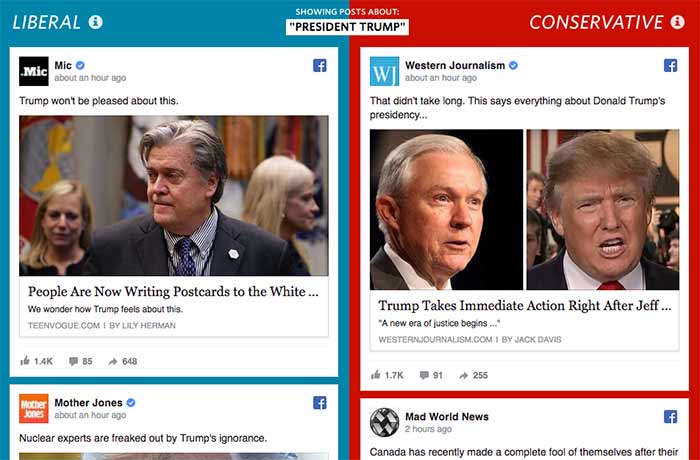
Example: An editor who believes a political figure is corrupt may seek only scandal-related sources while downplaying positive or neutral content. In today’s politically polarized media environment, this is common.
Negativity Bias
What it is: Negativity bias is the psychological phenomenon where negative information has a greater impact on perception, memory, and decision-making than neutral or positive information.
Why it’s relevant: Controversial or negative content tends to attract more attention and scrutiny. Editors might overemphasize criticisms, controversies, or failures over balanced or positive content.
Get a Free Reputation Assessment
Find out what people see when they search for you online. No obligation — results in 24 hours.
Example: A biography includes multiple critical statements or scandals but lacks any mention of accomplishments or charitable work. This happens especially often with controversial public figures.
Availability Heuristic
What it is: The availability heuristic is a mental shortcut where individuals rely heavily on immediate examples that come to mind when evaluating a topic, often influenced by recent media exposure.
Why it’s relevant: Editors might rely on high-visibility sources — such as trending news articles or top Google results — rather than deeper academic or long-form journalism, skewing articles toward what’s popular rather than what’s comprehensive.
Example: A recent controversy dominates an article’s tone even though the subject has a long career with broader achievements.
Anchoring Bias and Fundamental Attribution Error
Anchoring Bias
What it is: Anchoring bias occurs when initial information disproportionately influences subsequent judgments, causing people to rely heavily on the first piece of information they encounter.
Why it’s relevant: The first version of an article or section can set the “anchor,” influencing how all subsequent edits are shaped — even if the original framing was flawed or biased.
Example: An article originally framed as critical tends to stay that way even after neutral contributions are made. The initial trajectory is difficult to change significantly.
Fundamental Attribution Error
What it is: The fundamental attribution error involves attributing another person’s behavior primarily to their personality or character, rather than to situational or external factors.
Why it’s relevant: Editors may assign motives or character flaws to a subject without acknowledging situational or structural causes.
Example: A company is portrayed as malicious for conducting layoffs, with no mention of economic downturns or broader industry trends.
Is Your Wikipedia Page Working Against You?
Bias in Wikipedia articles can quietly damage your reputation. Our team knows how to identify problematic framing and work within Wikipedia’s guidelines to address it.
Self-Serving Bias and Ingroup Bias
Self-Serving Bias
What it is: Self-serving bias is the tendency to attribute positive outcomes to one’s own actions while blaming external factors for negative outcomes.
Why it’s relevant: Editors with a conflict of interest — such as those connected to the subject — may unconsciously highlight positive traits and blame “the media” or competitors for negative coverage.
Example: A company representative tries to downplay lawsuits by attributing them to biased journalism rather than summarizing the facts. This occurs most often when a company’s marketing team attempts to edit their own Wikipedia article.
Ingroup Bias
What it is: Ingroup bias is the psychological tendency to favor one’s own group members, ideas, or viewpoints, often at the expense of outside perspectives. Wikipedia editors have been accused of this, and the platform itself has faced the criticism. One group went so far as to create an entirely different wiki in response — Conservapedia, founded in 2006 by Andrew Schlafly specifically to counter perceived liberal bias on Wikipedia.
Why it’s relevant: Editors aligned with a particular ideological, political, or professional group may unconsciously favor sources or positions that match their ingroup.
Example: Editors from a shared political forum coordinate edits that downplay criticism of politicians they support. Politicians’ pages are frequently locked to prevent certain types of edits for exactly this reason. For a deeper look, see our article on bias on Wikipedia and how it affects article content.
Hindsight Bias and the Bandwagon Effect
Hindsight Bias
What it is: Hindsight bias is the inclination to perceive past events as having been predictable or inevitable after they have occurred, even though they were uncertain at the time.
Why it’s relevant: Editors writing about historical events may present outcomes as inevitable, removing the complexity and uncertainty that actually existed.
Example: Writing “It was clear from the start that the company’s strategy would fail” instead of presenting the range of contemporary viewpoints from the time.
Bandwagon Effect
What it is: The bandwagon effect describes the phenomenon where individuals adopt beliefs or actions primarily because many others are doing so, rather than based on independent judgment or evidence.
Why it’s relevant: If an article becomes the focus of a popular editing trend or social media topic, editors may pile on without fully assessing sources or context.
Example: After a celebrity scandal, dozens of editors add poorly sourced claims within hours, all echoing a single viral headline. This is one reason Wikipedia’s verifiability rules exist — to require reliable sourcing before claims are accepted.
Overconfidence Bias
What it is: Overconfidence bias refers to the tendency to overestimate one’s knowledge or understanding of a subject, often leading to overly assertive actions or judgments.
Why it’s relevant: Editors may believe they fully understand Wikipedia’s policies — such as Neutral Point of View or Notability — and overrule others or edit boldly, even when misapplying those policies. If you’re new to editing, review common reasons Wikipedia edits get deleted or rolled back before making bold changes.
Example: An editor deletes a well-sourced section, believing it to be “undue weight,” without seeking consensus or policy backing.
Frequently Asked Questions







Protect Your Online Reputation
Every day you wait, negative content gets stronger. Talk to our experts about a custom strategy for your situation.
Get Your Free Analysis