
What Google Doesn’t Tell You About Online Reputation Management
Google makes online reputation management sound simple — but the real strategy requires far more than three steps to protect your brand in search results.

- Getting Google to remove negative content is extremely difficult — focus on outranking it instead.
- Search your company name, executive names, and key products regularly to audit your current reputation.
- Set up Google Alerts for your brand and pair it with a paid tool like Brand24 or Mention for full coverage.
- Delete outdated social profiles and old posts that no longer represent your brand well.
- SEO and reputation management are closely linked — stronger SEO pushes preferred results to page one.
Google's official guide to online reputation management oversimplifies the process into three steps, but real reputation control is far more complex. Removing negative content from Google is rarely possible, so the smarter strategy is publishing and optimizing positive content to outrank unwanted results. Effective reputation management requires continuous monitoring, proactive SEO, and consistent content publication rather than one-time fixes.
Highlights:
- Google’s guide for online reputation management is overly simple (just three steps) and makes it sound like controlling what is written online about you is an easy process.
- In reality, managing your reputation on search engines is time-consuming and labor-intensive, with constant monitoring and publication of quality content.
- SEO and online reputation management are closely interlinked, as the better your SEO strategy, the more relevant results you want to see will be displayed on Google’s first page.
Google’s documentation for online reputation management outlines three simple steps.
- Search for yourself
- Create a Google account
- Remove unwanted content and the associated search results
Sounds easy, right? But it’s not.
Online reputation management is much more complex. Getting Google to remove content is extremely challenging, as very little negative information about a person or company violates Google’s terms of use.
That bad review from a disgruntled customer? Probably not going away anytime soon. The news article outlining all the ways your company could be better? It could remain in search results for your company name for many years to come.
Instead of removing unwanted content, a smarter reputation management strategy is to convince Google that other — more positive — information about your company is more relevant, thereby pushing down unwanted results.
How to Check Your Online Reputation
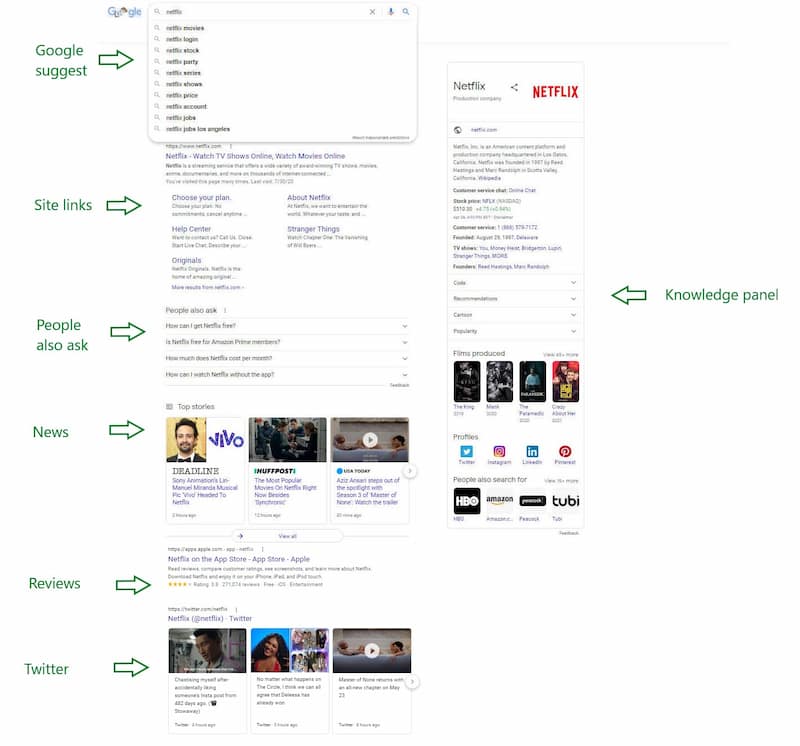
Google’s first step for managing the online content about you is smart. Research what is already ranking high by searching the following:
- Your company name
- Your product name
- The names of top executives
- Any other relevant terms
You will likely also see reviews about your company on Google and various third-party review websites. Take some time to log the content that is out there.
Get a Free Reputation Assessment
Find out what people see when they search for you online. No obligation — results in 24 hours.
However, this will only provide a snapshot of your current online reputation. For long-term oversight, follow these ongoing monitoring practices:
- Monitor review sites regularly.
- Set up Google Alerts for your brand name and key executives — it’s free and easy to configure. For more robust monitoring, paid tools like Brand24 or Mention offer deeper insights across the web and social media.
- Check your social media accounts regularly. Use social media listening software to save time.
- Review mentions of you and your company on other social platforms.
- Watch the reputation of your key partners and vendors, because their reputation can affect yours.
- Survey your customers to identify areas for improvement.
How to Clean Up Your Reputation on Google
Once you have a clear picture of what information is on Google, you’re ready to start transforming that reputation.
If Google Images has information improperly associated with you, track down the owners and try to set the record straight. Request that Google removes any inappropriate photos that violate its terms of use. For a better understanding of how to remove content from Google, read this post.
Delete old social media profiles and information you no longer use, and remove any old posts that don’t represent your organization well. For individuals, consider removing connections on social networks who post unflattering photos or comments about you.
Lock down your profiles so only trusted contacts can tag you in posts or view your content. You can adjust your privacy settings so that no one can tag you without your permission — Meta regularly updates these controls, so it’s worth reviewing your account settings directly for the most current options.
Now comes the most challenging aspect of online reputation management. You need to replace old content with new, more accurate content that represents who you are today and performs well in search results. This part of the process is intensive and time-consuming to do right.
Most people need to engage in a variety of activities to improve their Google online reputation, including:
- Developing new content
- Performing PR outreach
- Completing content outreach
- Improving SEO
- Publishing social media pages and posts
- Creating third-party profiles
- Generating new customer reviews
Regularly publishing new information about your company helps you manage your online narrative and ensures search engines surface the content you want people to see.
Is Your Google Reputation Working For You?
Most businesses don't realize how much their search results are costing them. Our team can audit what's ranking for your name and build a strategy to take control of the narrative.
There’s More to Reputation Management Than Google
Google has become synonymous with reputation management. One of the first steps in most reputation management campaigns is to improve Google search results. But if Google is the only platform you focus on, you are limiting your success.
A Google search for an individual or business is a powerful tool — and one that is often manipulated. Potential customers and business partners use it to:
- Leave reviews of your company
- Research your competitors
- Find information about you and your leadership
Will you be proactive in managing your online reputation by optimizing your website to appear in search results? Or will you be reactive and wait for someone else to shape the narrative about your business?
Understanding Google’s shortcomings in reputation management is key to using the platform effectively. Here are three important factors to keep in mind.
- Google oversimplifies reputation management: Google does have a help page on reputation management, but it is vastly oversimplified. While Google has expanded its content removal tools in recent years — now allowing removal of more personal information such as phone numbers, email addresses, and physical addresses — its guidance still offers limited support for managing a corporate reputation.
- Most content doesn’t violate terms of service: Google’s policy does allow for the removal of certain content, but very few things actually qualify. Examples of removable content include sexually explicit images, financial and medical information, personal contact details, login credentials, doxxing content, and certain AI-generated explicit imagery.
- Removing something from search results doesn’t delete it completely: Deleting something from Google search results greatly decreases its visibility, but it doesn’t remove it from the internet. People can still find the content in other search engines or by clicking links from other web pages.
How SEO and Online Reputation Management Are Connected
Search engines are how today’s consumers collect information. Whether preparing for an investment or researching a product before purchasing, people rely on search engines as an essential daily tool.
Consumers trust what they see in search results. Before search engines grew in popularity, word of mouth was the most powerful force — and the best way to control it was to deliver a great customer experience.
But even companies with excellent customer experiences can run into trouble online. People can make unsubstantiated claims on social media, review sites, blogs, and forums. It has become harder for consumers to distinguish between credible news outlets and casual blogs that don’t undergo the same editorial review process.
The result is that consumers will likely trust the top results about your business on Google. If you aren’t commanding that space through SEO reputation management with great content, you are losing a significant opportunity to influence how customers view you. For a deeper look at how these disciplines overlap, see our overview of how search engine reputation management differs from traditional SEO.
The higher a search result about your company appears on Google, the more likely people are to read it. According to Smart Insights, the top-ranking organic result captures roughly 27–40 percent of all click-throughs, depending on the query type — a share that drops dramatically for every position below it.
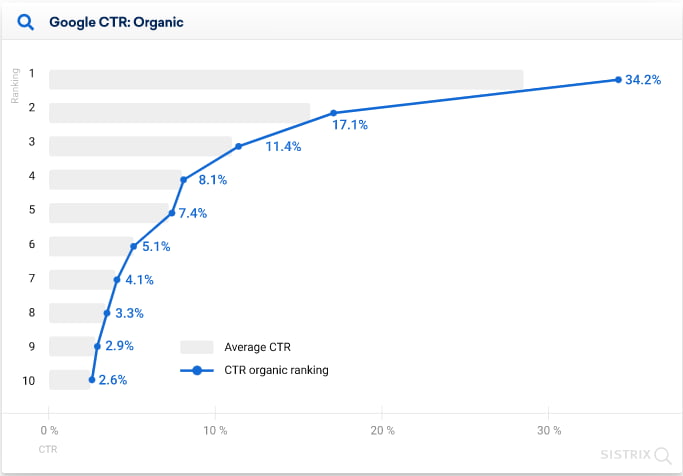
Google’s online reputation management documentation doesn’t mention how to manage these results. Yet managing your search results is a crucial part of controlling what people see when they search for you.
Why Creating a Google Account Isn’t Enough
According to Google’s documentation, creating a Google account should help you manage your online reputation. While this enables you to claim your Google Business Profile listing and update incorrect information, it doesn’t mean you can remove unwanted content with ease.
Creating a Google account also doesn’t provide your team with alerts when someone mentions your name. That process remains largely manual, can be aided to a degree with online monitoring tools, and requires careful attention to online and social mentions.
That’s not to say you shouldn’t create a Google account — you should. But simply creating the account will not tell you the health of your online reputation. You need to continually monitor your online mentions and develop substantial amounts of high-quality, positive content.
One genuine benefit of a Google account is the ability to respond to Google reviews. According to BrightLocal‘s most recent Local Consumer Review Survey, 88 percent of consumers would use a business that responds to all of its reviews — a clear signal that engaging with reviewers has become an expectation, not just a courtesy.
of consumers would use a business that responds to all of its reviews
BrightLocal Local Consumer Review Survey (most recent)
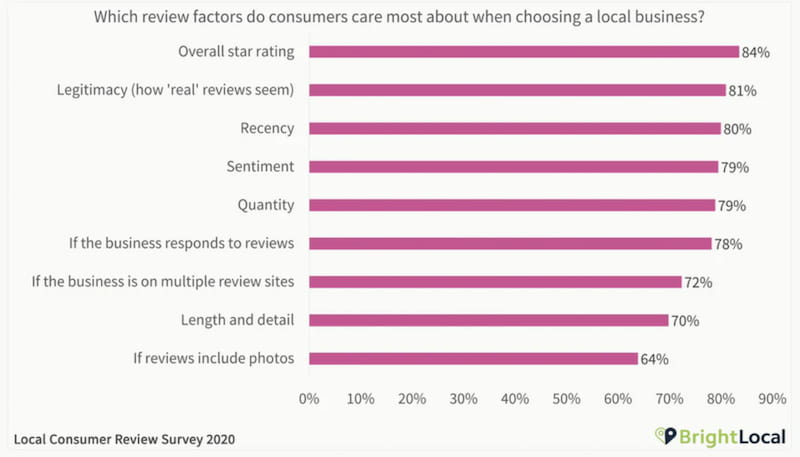
Source: BrightLocal Local Consumer Review Survey (most recent)
Using Google to enhance your online reputation is an ongoing activity that is both time-consuming and labor-intensive. To do it well, you will need to go above and beyond Google’s guidelines for online reputation management while consistently infusing search results with great content. For a comprehensive look at what a full strategy actually involves, see our complete guide to online reputation management.
Frequently Asked Questions








Protect Your Online Reputation
Every day you wait, negative content gets stronger. Talk to our experts about a custom strategy for your situation.
Get Your Free Analysis